
Fes
Morocco · 10 places
Photo: Petar Milošević, CC BY-SA 4.0
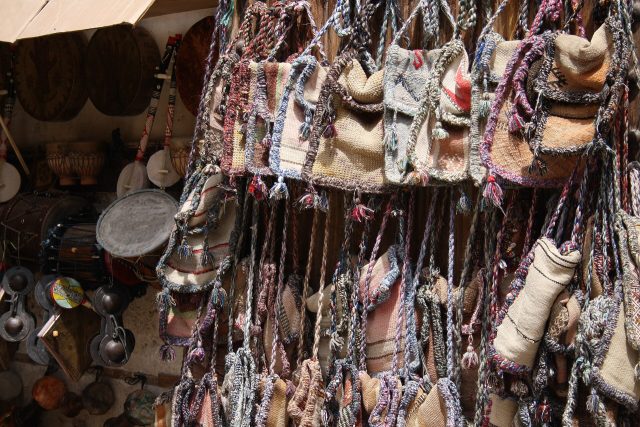
Fes is a city that doesn’t just exist in time—it holds time within its walls. Wandering through its ancient medina feels less like visiting a place and more like stepping into a living archive, where the past isn’t preserved behind glass but woven into the fabric of everyday life. The air carries the scent of spices mingling with the sharp tang of leather from open-air tanneries, where hides have been cured in the same way for centuries. The workshops here haven’t changed either; potters shape clay by hand, weavers operate looms that clatter with the rhythm of generations, and metalworkers hammer out intricate lanterns as they’ve done for hundreds of years. This isn’t a stage set for tourists. There are no flashy signs or souvenir stalls crowding every corner. What you find instead is raw, unfiltered reality—sometimes overwhelming, always authentic. The narrow alleys hum with the shouts of vendors hawking fresh bread and steaming glasses of mint tea, while the damp stone walls whisper stories of the countless feet that have trodden them before.
At the heart of Fes lies Fes el-Bali, one of the world’s largest car-free urban labyrinths, where donkeys and motorbikes replace cars and GPS is useless. The streets are so narrow that you might have to press yourself against a wall to let a loaded mule pass, and the buildings crowd so close together that sunlight barely filters through. Yet within this apparent chaos lies an order of its own. Each district specializes in a craft—one quarter for ceramics, another for textiles, a third for metalwork—and the goods are made and sold right where they’re created. The main thoroughfare, Talaa Kebira, cuts through the medina, connecting the grand Bab Bou Jeloud gate to the bustling Seffarine Square, once a mint and now a marketplace where everything from dried fruits to antique coins changes hands. Getting lost here isn’t just inevitable; it’s part of the experience.
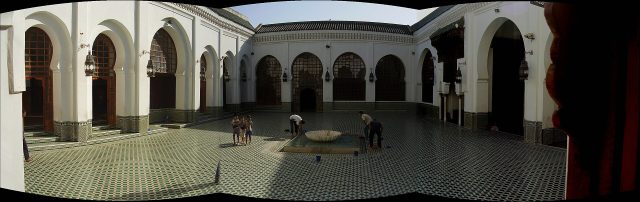
Founded in the late 8th century, Fes has long been Morocco’s cultural and spiritual epicenter. The University of al-Qarawiyyin, established in 859, is the oldest continuously operating university in the world, still drawing students from across the globe. More than just an academic institution, it’s part of a sprawling complex that includes a mosque, a library, and a madrasa, its marble columns and carved cedar ceilings offering a quiet refuge from the medina’s frenzy. Nearby, the madrasa Bou Inania dazzles with its intricate tilework and woodcarvings, while the mausoleum of Moulay Idriss II, the city’s founder, remains a place of pilgrimage. Even the famous blue gates of Dar Batha, often photographed but closed to the public, hint at the layers of history tucked behind every corner.
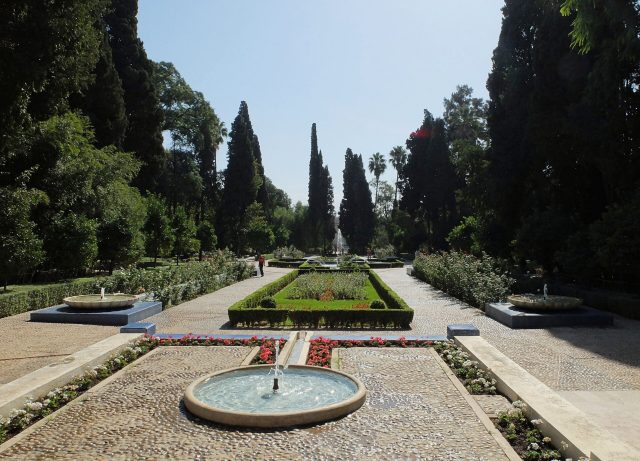
Beyond the medina, Fes reveals another side of itself. The newer ville nouvelle, built during the French protectorate in the early 20th century, blends colonial architecture with Moroccan sensibilities. Wide boulevards lined with cafés and shaded parks offer a slower pace, a contrast to the medina’s intensity. The Jnan Sbil gardens, with their reflecting pools and rose bushes, are a perfect place to pause, especially in the late afternoon when the light softens and the Atlas Mountains loom in the distance. As evening falls, the call to prayer echoes across the city, and Fes feels like it always has—timeless, unhurried, and deeply itself.
Most travelers come to Fes expecting something exotic, but they leave with something far richer: the sense of having glimpsed a world that operates by its own rules, where history isn’t just remembered but lived. The city doesn’t offer easy answers or curated experiences. Instead, it invites you to engage—to wander its alleys, to listen to its rhythms, to meet the people who call it home. If you’re lucky, it might just answer back.
See & Do
10 places




Places on the map
Marker colour follows the categoryClimate and weather
Detailed weather: Fes- Average temperature
- 18 °C
- Precipitation per year
- 456 mm
- Sunshine hours per day
- 8.4 h
Average air temperature
°C
10
12
14
15
20
24
28
28
24
20
15
12
Jan
Feb
Mar
Apr
May
Jun
Jul
Aug
Sep
Oct
Nov
Dec


