Gaborone
Botswana · 5 places
Photo: Jota @ BRAZIL, Public domain
Gaborone doesn’t announce itself with grand gestures. There are no towering skyscrapers or ancient ruins, no crowds jostling for space or vendors shouting over one another. Instead, the city moves at the same unhurried pace as the savanna that stretches beyond its edges. It’s a place that grew almost by accident—born in the mid-20th century when Botswana gained independence, expanding from a small settlement into the country’s administrative and economic heart. The rhythm here is quiet, deliberate. You won’t find tourist traps or overpriced cafes, just the steady hum of a city that feels lived-in, not performed.
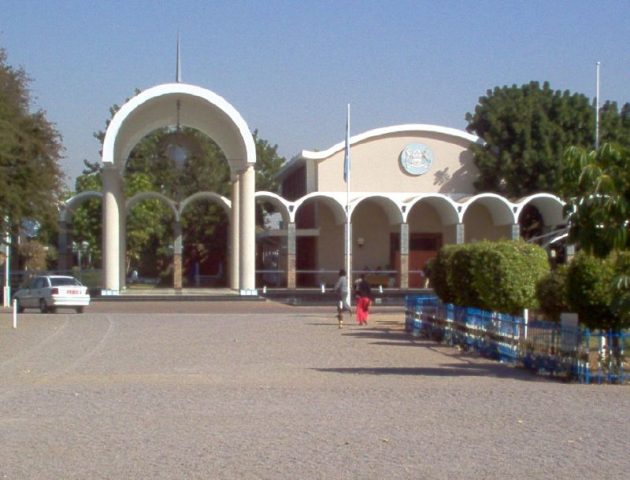
The streets curve around low hills, as if the city settled into the landscape rather than forcing itself upon it. Wide avenues, lined with acacia trees and jacarandas, stretch between government buildings and banks, their glass facades reflecting the sun without the usual urban glare. There’s no rush, no gridlock—just the occasional car passing under the shade of a fever tree. The Notwane River cuts through the city, its banks a favorite spot for locals. On weekends, families spread out blankets for picnics, while children wade in the shallows. The water isn’t always clear, but the reeds swaying in the breeze and the calls of kingfishers make it easy to forget you’re in a capital.
For all its quiet, Gaborone has its contrasts. A few blocks from the polished office towers, the Main Mall market buzzes with life. Stalls overflow with bright fabrics, spices that scent the air, and hand-carved wooden figures. You can try seswaa, the national dish of slow-cooked beef with maize porridge, or bobotie, a spiced minced meat dish with a Cape Malay influence. Some afternoons, a guitarist strums under the awning of a fruit stand, and the music blends with the murmur of bargaining voices. By evening, the market winds down, but the city doesn’t sleep—just shifts. Bars and cafes fill with the sound of jazz or mbaqanga rhythms, and conversations flow over glasses of St. Louis beer or cups of rooibos tea.
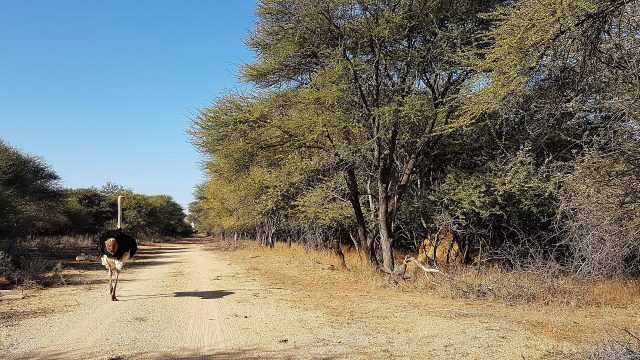
This isn’t a city that demands attention. There are no must-see landmarks clamoring for your time, no grand narratives of empires or revolutions. But that’s part of its charm. The National Museum holds fragments of Botswana’s past—ancient rock paintings, colonial-era artifacts, and contemporary art that speaks to the country’s present. Nearby, the botanical gardens offer a quiet refuge, with indigenous plants that thrive in the Kalahari’s arid climate. And just beyond the city limits, the wild begins again. Game reserves like Mokolodi are home to elephants, giraffes, and leopards, a reminder that Gaborone sits on the edge of something much larger.
Mornings here start softly. The first sounds are the birds—weavers chattering in the trees, hadedas calling from the rooftops. Then comes the slow build of daily life: car engines, the clatter of dishes from roadside stalls, the occasional laughter of schoolchildren walking to class. By midday, the sun is high, and the shadows shrink to nothing. The heat presses down, but it’s a dry, bearable warmth, the kind that makes you seek out a patch of shade. Evenings bring relief, the air cooling just enough to make a walk along the riverbank pleasant. There are no dramatic shifts in weather, no sudden storms—just the steady, predictable rhythm of a place that knows its own pace.
See & Do
All of them

Places on the map
Marker colour follows the categoryClimate and weather
Detailed weather: Gaborone- Average temperature
- 21 °C
- Precipitation per year
- 385 mm
- Average humidity
- 52 %
- Sunshine hours per day
- 10.8 h
- Time zone
- UTC+2 (GMT+2)
Average air temperature
°C
25
25
24
20
17
14
14
18
22
24
25
26
Jan
Feb
Mar
Apr
May
Jun
Jul
Aug
Sep
Oct
Nov
Dec