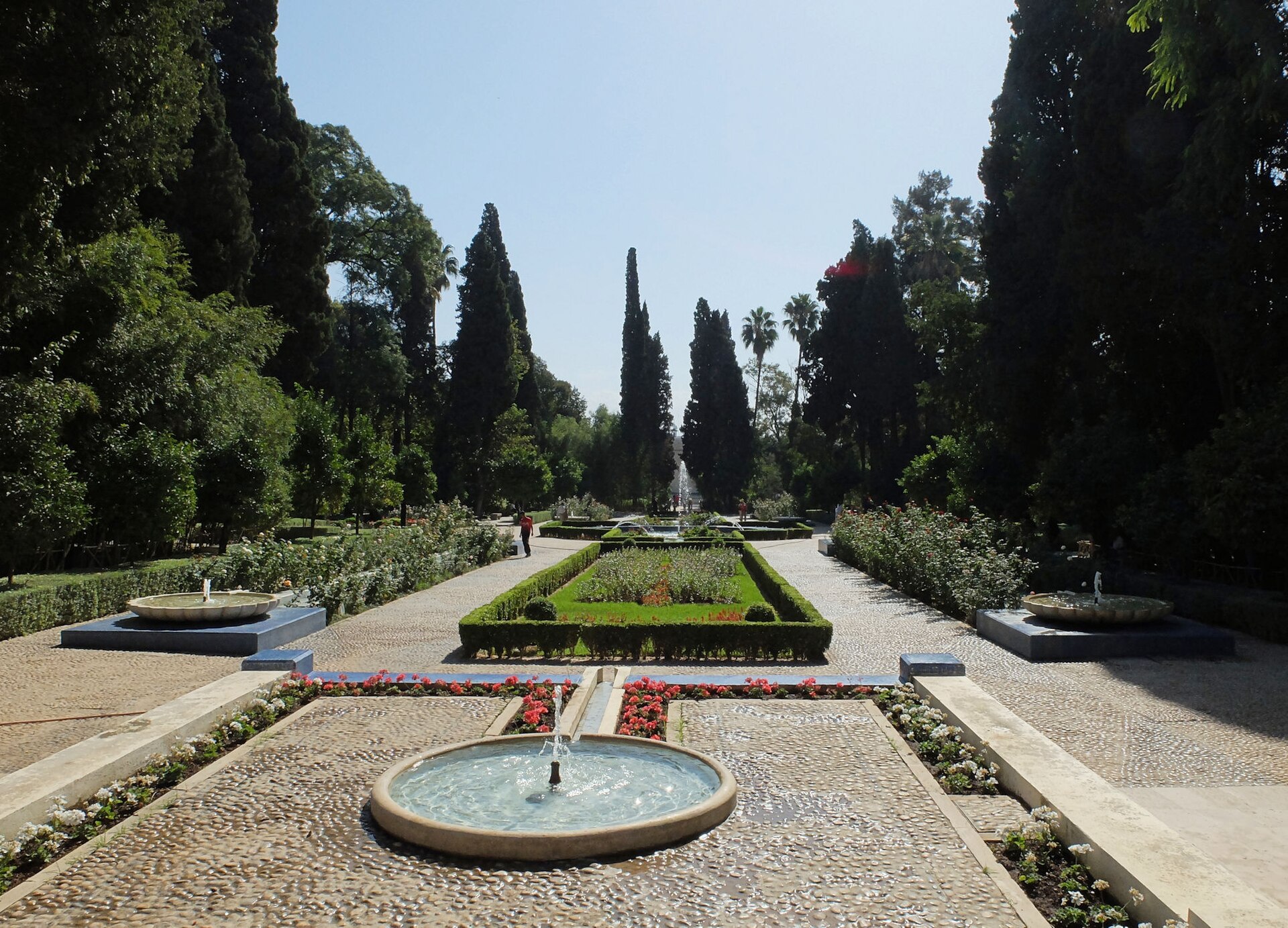
Jnane Sbil Gardens sit quietly in the heart of Fes, a place where the city’s relentless energy seems to soften into something slower, almost still. Tucked behind the high walls of the medina, they offer a rare pause from the narrow streets where donkeys clatter over cobblestones, vendors call out their wares, and the scent of spices lingers in the air. These gardens are more than just a patch of green—they’re a living piece of the city’s history, woven into the daily rhythms of those who live here.
Commissioned in the 18th century by Sultan Moulay Abdallah, Jnane Sbil began as a private retreat, a symbol of power and privilege reserved for the ruling elite. The gardens were designed not just for leisure but to impress, a lush statement of the sultan’s wealth and taste. Over time, they opened to the public, yet the sense of seclusion remains. The high walls still shield the space from the outside world, creating an illusion of stepping into another era, one where time moves at the pace of water trickling through narrow channels.
The design of Jnane Sbil reflects the principles of traditional Moroccan garden architecture, where every element serves a purpose beyond beauty. Water is central to the experience—canals, fountains, and pools cool the air and draw the eye, their surfaces reflecting the surrounding greenery. At the heart of the gardens, a large basin is encircled by citrus trees, their branches heavy with oranges and lemons. Paths wind past beds of roses and jasmine, their fragrances mingling with the earthy scent of damp soil. Shaded walkways lead to small pavilions, once used by the sultan and his guests, now occupied by visitors seeking respite from the sun.
The gardens are a showcase of Moroccan craftsmanship, where even the smallest details carry weight. Intricate wooden latticework filters sunlight into delicate patterns, while zellige tiles—hand-cut and arranged in geometric mosaics—adorn walls and fountains. Arched doorways frame views of the gardens, their curves softened by time and weather. Stone benches invite lingering, their surfaces worn smooth by generations of visitors. These elements aren’t just decorative; they’re a testament to the skill of artisans who shaped the space centuries ago.
For locals, Jnane Sbil is a familiar part of life. On any given day, you might see families strolling with children, friends catching up over cups of mint tea, or elderly men engrossed in a game of chess. Weekends bring a livelier atmosphere, with musicians playing traditional instruments and vendors selling fresh orange juice or steaming glasses of tea. The gardens become a gathering place, a slice of public life where the boundaries between past and present blur. It’s one of the few places in Fes where the city’s pulse can be felt without the usual chaos of the medina.
The gardens change with the seasons, each offering a different kind of beauty. Spring is the most vibrant time, when roses bloom in abundance and citrus trees burst into flower, filling the air with sweetness. Summer brings relief from the heat, the shade of the trees and the cool water making it a favorite spot for locals escaping the midday sun. Autumn turns the leaves golden, while winter, though quieter, has its own charm—rare sunny days when the light catches the wet tiles and makes them gleam. Even rain transforms the space, lending it a quiet, introspective mood as droplets cling to leaves and petals.
Visiting Jnane Sbil isn’t about ticking off a sightseeing list. There’s no grand monument to photograph, no guided tour to follow. Instead, it’s an invitation to slow down, to sit on a bench and watch the play of light on water, or to wander the paths and imagine the footsteps of those who walked them centuries ago. The gardens don’t demand attention; they simply offer a space to breathe, to let the mind settle into the rhythm of the place.
In recent years, Jnane Sbil has become a venue for cultural events, hosting exhibitions of traditional art, concerts of classical and folk music, and occasional small festivals. These gatherings bring new life to the gardens, reinforcing their role as a living part of the city rather than just a relic of the past. Yet despite this growing popularity, they’ve managed to retain their intimacy. Unlike the more famous sites in Fes, Jnane Sbil rarely feels crowded. There’s no sense of being herded through, no pressure to perform for the camera.
What makes these gardens special is their ability to feel both timeless and deeply rooted in the present. They’re not a museum piece, frozen in history, but a place where the past and the everyday coexist. Here, you might overhear a conversation in Darija, the local Arabic dialect, or catch the laughter of children playing near the fountains. It’s a reminder that Fes isn’t just a city of grand palaces and ancient mosques—it’s also a place of simple, unhurried moments, where life unfolds at its own pace. Jnane Sbil captures that essence, offering a glimpse of the city as it’s lived, not just as it’s seen.