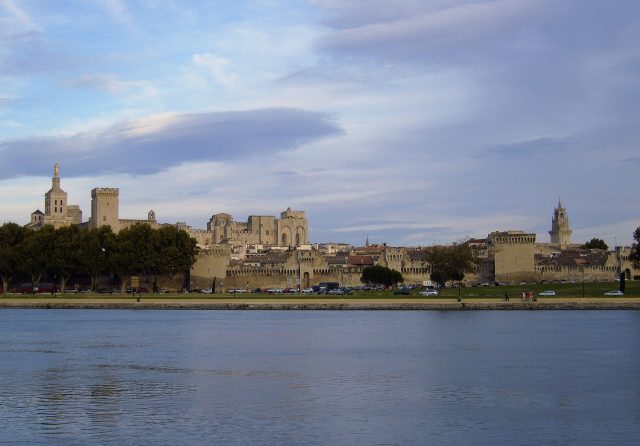
Al Khor
Qatar · 7 places
Photo: Wikimedia Commons, CC BY-SA 2.0
Al Khor feels like a quiet pause in Qatar’s rapid march toward the future. An hour’s drive north of Doha, it sits where the desert meets the sea, its low skyline untouched by the glass towers that now define the capital. This was once one of the country’s most important ports, a place where pearl divers, fishermen, and traders shaped the rhythm of life long before oil transformed everything. Today, that rhythm still lingers—just slower, softer, as if the city has chosen to remember rather than forget.
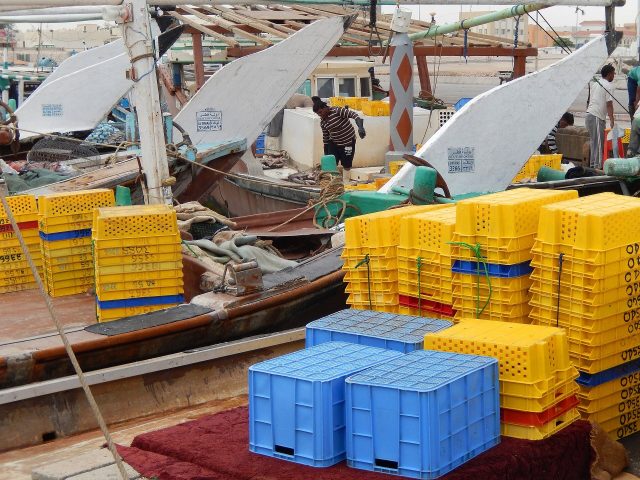
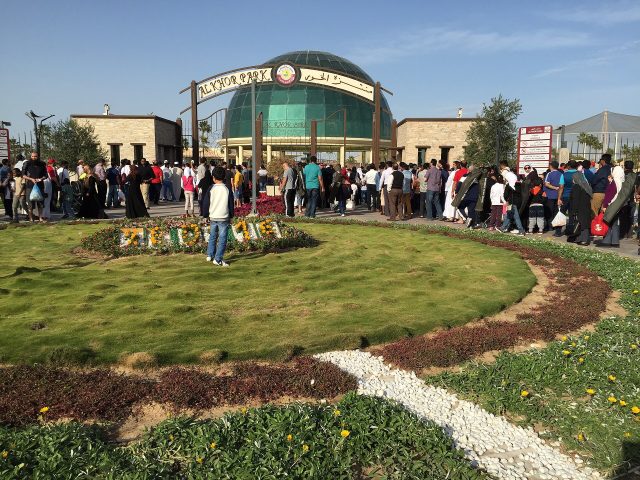
The waterfront tells the story best. On one side, modern villas and manicured parks line the shore, their clean edges softened by the salt air. On the other, weathered coral houses stand close together, their wooden balconies sagging slightly under the weight of years. Fishermen still set out before dawn in wooden dhows, their boats creaking as they return with the day’s catch. The market here doesn’t hum with the energy of a tourist hotspot; instead, it moves at the pace of the tides, with vendors selling fish straight from the hull, their scales glinting under the morning sun. There’s no rush, no need to perform for visitors. Al Khor simply exists, as it always has.
The old fort at the edge of town is the closest thing to a landmark, though it’s less a monument than a quiet witness to the past. Built in the late 1800s to fend off raids, its coral-stone walls and palm-wood beams have weathered into something more evocative than any polished restoration could achieve. Inside, the space is almost empty—just a few rusted cannons, some faded photographs, and the occasional breeze slipping through the arched windows. It’s the kind of place where you don’t need exhibits to feel history; the walls themselves seem to hold the echoes of voices long gone.
Nearby, a small museum offers a glimpse into the city’s maritime roots. The collection is modest—a few yellowed maps, tools for pearl diving, black-and-white photos of fishermen in traditional thobes and women in flowing abayas—but it’s enough to paint a picture of life before oil. The most striking images are the oldest, taken in the early 1900s, when the sea was both livelihood and lifeline. There’s no grand narrative here, no dramatic reenactments. Just the quiet truth of how people lived, worked, and endured.
Al Khor isn’t a place for luxury resorts or nightlife. There are no golden beaches or designer boutiques, no crowds jostling for the perfect photo. What it offers instead is something rarer: the chance to see Qatar as it once was. The pace is slow, dictated by the rise and fall of the tide. Locals greet you with warmth but don’t press for conversation. You can wander the narrow streets, sip coffee by the water, and watch the dhows bob in the harbor without feeling like you’re missing out on something bigger or louder. Sometimes, the most revealing moments aren’t the ones that demand attention, but the ones that unfold quietly, just beyond the obvious.
See & Do
All of them

Places on the map
Marker colour follows the categoryClimate and weather
Detailed weather: Al Khor- Average temperature
- 28 °C
- Precipitation per year
- 72 mm
Average air temperature
°C
19
19
23
27
32
35
36
36
34
31
26
21
Jan
Feb
Mar
Apr
May
Jun
Jul
Aug
Sep
Oct
Nov
Dec