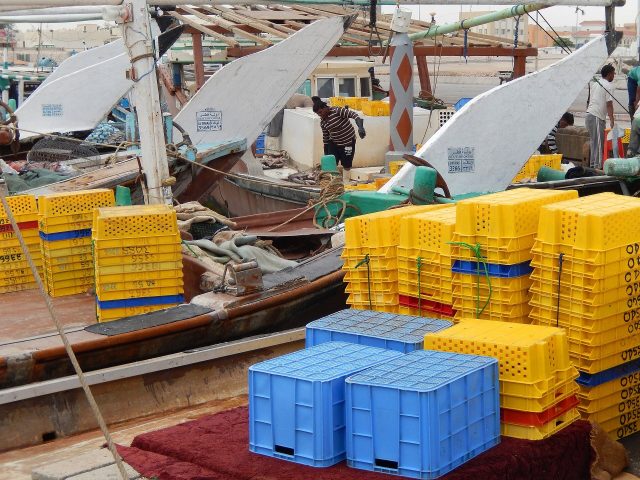
Off the coast of Al Khor, where the waters of the Persian Gulf stretch endlessly toward the horizon, lies a quiet cluster of islands that feel worlds away from the polished modernity of Doha. The Al Khor Islands are not the kind of place you stumble upon by accident. There are no ferries running on a schedule, no docks lined with souvenir stalls, no signs pointing the way. To reach them, you must arrange a boat through a local fisherman, and even then, the journey is part of the experience—an unhurried glide across the water, the wind carrying the scent of salt and distant land.
The archipelago consists of three small islands, with Al Khor Island itself being the largest. Its shoreline is jagged, carved by tides into shallow coves where the water pools in shades of turquoise and deep blue. The land is low and flat, covered in sparse, hardy vegetation that clings to the sandy soil. There are no palm trees swaying in the breeze, no powdery white beaches—just the raw, unfiltered landscape of the Gulf coast. It’s a place where the elements have shaped everything, from the wind-sculpted dunes to the way the light plays across the water at dawn. The islands may look barren at first glance, but life thrives here in its own quiet way. Crabs scuttle across the wet sand at low tide, seabirds wheel overhead, and if you’re patient, you might spot a sea turtle breaking the surface near the shore.
For centuries, these islands were a practical part of life for the people of Qatar. Fishermen used them as seasonal outposts, anchoring their boats in the sheltered bays and setting up temporary camps where they could process their catch before returning to the mainland. The waters around the islands were rich with fish, and the shallow areas provided ideal conditions for traditional fishing methods. Today, the remnants of those camps are still visible in the form of low stone walls, their purpose long forgotten but their presence a quiet testament to the generations who relied on this place. Archaeologists have found traces of even older human activity, suggesting that the islands have been a waypoint for travelers for thousands of years, though no large-scale excavations have taken place to uncover their full history.
The islands play a crucial role in the region’s ecology, serving as a haven for birds and marine life. During migration seasons, the skies fill with flocks of gulls, terns, and cormorants, their calls echoing across the water as they rest before continuing their journey. The surrounding waters, while not as vibrant as the coral reefs further south, still support a variety of marine species. Snorkelers who venture here will find patches of coral and schools of small fish darting through the shallows, though the experience is far more about solitude than spectacle. There are no guided tours, no marked trails, no amenities of any kind—just the open water and the sense of being somewhere untouched.
Visiting the Al Khor Islands is less about ticking off a checklist of sights and more about stepping into a different rhythm. There are no cafes to grab a coffee, no shaded pavilions to escape the sun, no vendors selling trinkets. The only sounds are the lapping of waves, the cry of a distant bird, the occasional splash of a fish breaking the surface. The best time to come is between October and April, when the heat is bearable and the sea is warm enough for swimming. In the summer months, the temperatures can soar above forty degrees, turning the islands into a furnace under the relentless sun. Even in cooler weather, it’s wise to bring plenty of water, sunscreen, and a hat—there’s no shade to be found once you step onto the sand.
For those who know Qatar only through its gleaming skyscrapers and air-conditioned malls, the Al Khor Islands offer a glimpse of the country’s quieter, wilder side. There are no crowds here, no selfie sticks, no signs urging you to hurry up and see the next attraction. The islands exist on their own terms, indifferent to the expectations of visitors. Some might find them too stark, too remote, but that’s precisely what makes them special. They’re a place where you can sit on the shore and watch the light change over the water, where the only agenda is the slow unfolding of the day.
If you find yourself in Al Khor, it’s worth setting aside a few hours to visit the islands. A short boat ride is all it takes to leave the mainland behind, and once you arrive, even a simple walk along the shore can feel like an adventure. The water is clear enough to see your feet sinking into the sand below, and if you wade out a little, you might feel the gentle tug of a current pulling at your ankles. The sunsets here are particularly striking, painting the sky in hues of pink and gold before fading into the deep blue of twilight. It’s the kind of place where you’ll want to linger, not because there’s anything in particular to do, but because the stillness itself is a rare thing these days.
In recent years, Qatar has begun to pay more attention to preserving its natural landscapes, and the Al Khor Islands are no exception. While there are no official protected areas or designated trails yet, efforts are underway to monitor the islands’ fragile ecosystems. For now, they remain one of the few places in the country where you can experience a sense of true isolation. There’s no guarantee that will last—development has a way of creeping into even the most remote corners of the world. But for the moment, the islands endure as they always have, shaped by wind and water, waiting for those who seek them out.