Al Khor Museum sits quietly along the coast of a town that has long been shaped by the sea. This small but thoughtful museum tells the story of a place where pearl diving, fishing, and trade once defined daily life, and where the rhythms of the Gulf still echo in the streets. The building itself is unassuming—a low, whitewashed structure with arched windows and a courtyard that invites visitors to pause before stepping inside. It doesn’t try to impress with grandeur, but rather with the quiet weight of history it carries.
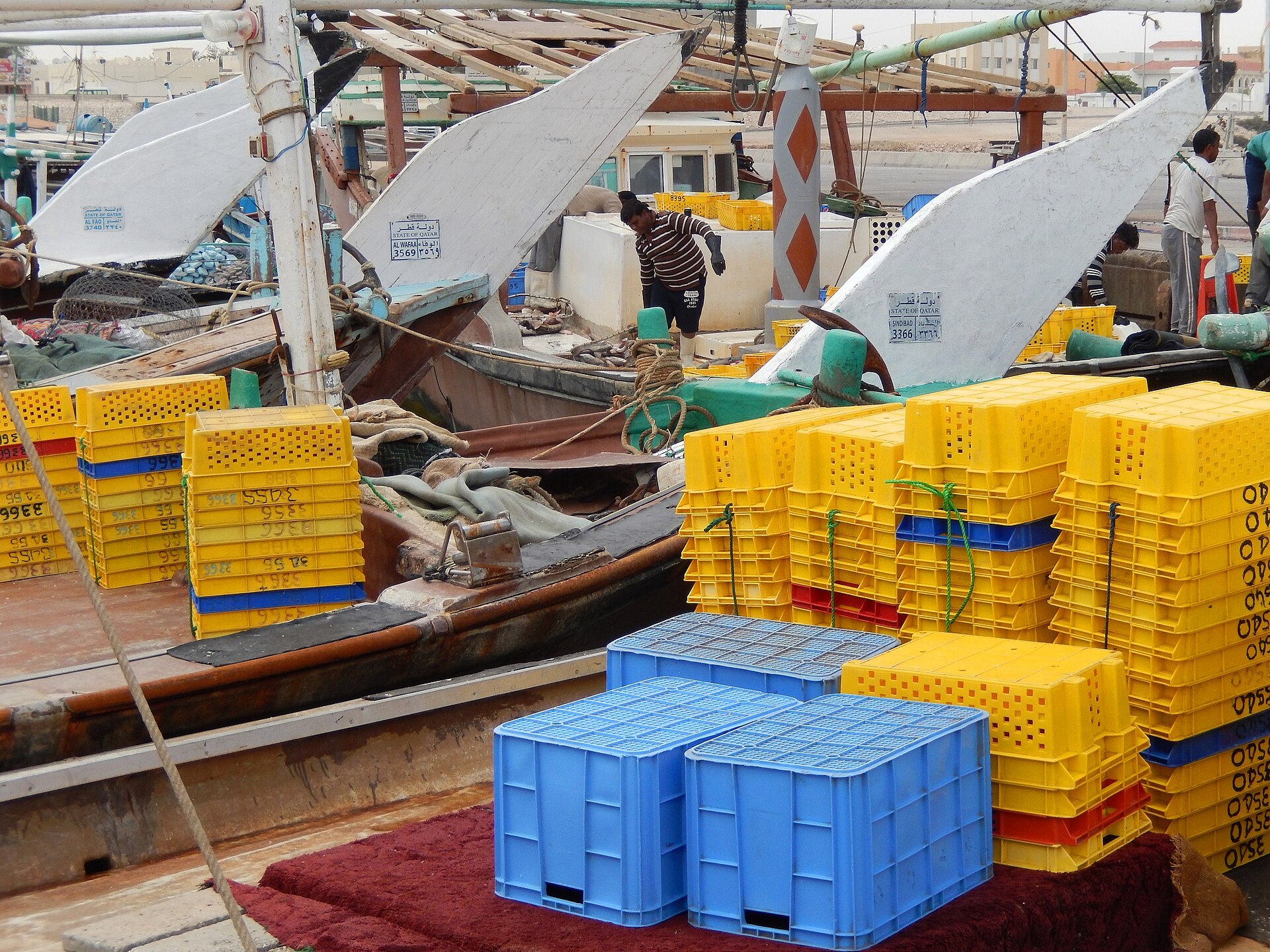
The museum is divided into sections that trace the natural and human history of the region. One of the first things you notice is the focus on the sea, which has always been both a provider and a challenge for the people of Al Khor. Exhibits display traditional fishing boats, known as *dhows*, their wooden hulls worn smooth by decades of use. Tools of the pearl diving trade—leather finger guards, woven baskets, and glass-bottomed buckets—are arranged with care, hinting at the dangerous and labor-intensive work that once sustained entire families. There’s a sense of respect in how these objects are presented, as if each one holds a memory of someone who once relied on them.
A separate section is dedicated to the natural environment, particularly the mangroves that fringe the coastline. These dense, salt-tolerant trees have long been a vital part of the ecosystem, offering shelter to fish and birds while protecting the shore from erosion. The museum explains how local communities once used mangrove wood for construction and fuel, and how the trees continue to play a role in the area’s ecology. Nearby, displays of fossils and geological samples reveal the ancient history of the land, long before humans settled here. It’s a reminder that this corner of Qatar has always been a place of adaptation, where people learned to live with the land rather than against it.
The museum also touches on the broader history of Al Khor, which was once a key stop along trade routes connecting the Gulf to the Indian Ocean. Artifacts like pottery shards, coins, and fragments of imported goods suggest a town that was small but cosmopolitan, where merchants from distant places might have paused to restock supplies or trade news. There’s no grand narrative of empire or conquest here—just the steady, unglamorous work of a community that thrived on movement and exchange. The exhibits don’t romanticize the past, but they do make it feel tangible, as if the people who once lived here were not so different from those who walk the streets today.
One of the most striking parts of the museum is the way it connects the past to the present. A section on modern Al Khor shows how the town has grown from a quiet fishing village into a small city, though it still retains a slower pace than Doha. Photographs and maps illustrate the changes—new roads, expanding neighborhoods, the arrival of industry—while also highlighting what hasn’t changed: the sea, the mangroves, the sense of being slightly apart from the rest of the country. The museum doesn’t shy away from the tensions between tradition and development, but it presents them without judgment, letting visitors draw their own conclusions.
The building itself is worth paying attention to. It was once a traditional Qatari house, built in the early 20th century, and its restoration reflects a careful balance between preservation and functionality. The thick walls, high ceilings, and wind towers (*barjeel*) are all designed to keep the interior cool in the harsh desert climate. The courtyard, with its shaded benches and potted plants, offers a quiet space to sit and absorb what you’ve seen. It’s easy to imagine families gathering here in the past, much as visitors do now, though the conversations would have been about different things.
What makes Al Khor Museum special is its lack of pretension. It doesn’t try to be a world-class institution or a tourist spectacle. Instead, it feels like a place where the past is kept alive not for show, but because it still matters. The exhibits are modest, the labels straightforward, and the overall tone one of quiet pride. There’s no need for flashy displays or dramatic storytelling—just a sense that this is a place where history is still being lived, not just remembered.
For those who take the time to visit, the museum offers more than just a glimpse into the past. It provides a way to understand Al Khor as a place with its own identity, shaped by the sea and the people who have called it home. Whether you’re interested in history, culture, or simply the way small towns evolve, the museum has something to say. And if you step outside afterward and walk toward the water, you might find that the town itself feels a little more familiar, as if the stories you’ve just seen have seeped into the streets.