Weather overview
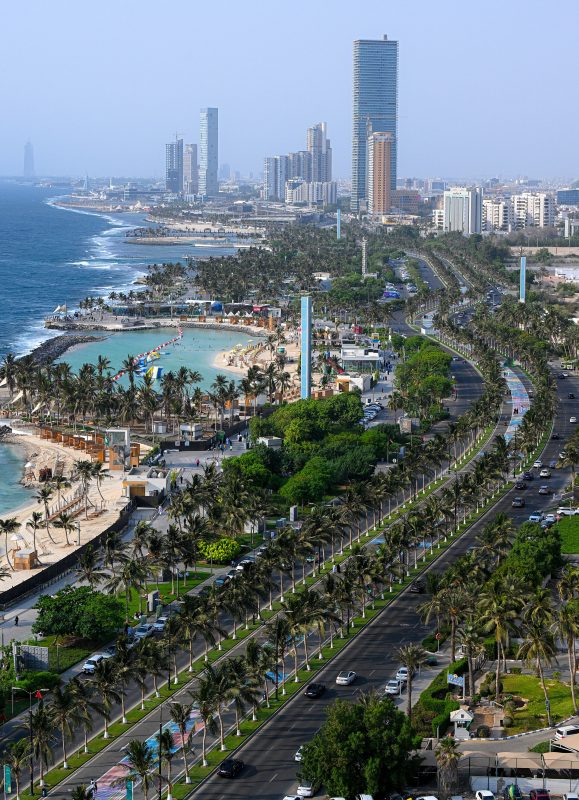
Джидда lies along the Red Sea coast, where the climate stays warm throughout the year. Unlike inland Saudi cities, Джидда avoids extreme heat spikes, but summers still bring steady warmth. The sea moderates temperatures, making evenings more comfortable than in desert regions.
From November to March, Джидда offers the mildest conditions, with daytime highs around +27...+30 °C and nights cooling to +20...+24 °C. This period is ideal for exploring the city without the intensity of summer. By April, the heat builds, and by June, temperatures often exceed +39 °C, though the sea breeze provides some relief.
Temperature
In Джидда, temperatures shift gradually rather than abruptly. January and February are the coolest months, with averages near +24 °C, while July and August peak at +35 °C. Even at night, the thermometer rarely drops below +29 °C in summer, so air conditioning becomes essential for restful sleep.
The sea plays a key role in Джидда’s climate. Water temperatures range from +26 °C in March to +32 °C in August, making swimming possible year-round. However, the combination of heat and humidity in summer can feel more oppressive than the numbers suggest, especially in June and July when the air feels thick and still.
| Month | Minimum | Maximum |
|---|---|---|
| January | 20.5 | 27.5 |
| February | 20.5 | 28 |
| March | 22.3 | 30.7 |
| April | 24.9 | 33.7 |
| May | 27.2 | 37 |
| June | 29 | 39.2 |
| July | 30.3 | 40.2 |
| August | 31 | 39.6 |
| September | 29.9 | 38 |
| October | 27.3 | 35.8 |
| November | 24.9 | 32.2 |
| December | 22.1 | 29.1 |
Precipitation
Джидда is one of the driest major cities in the world, with virtually no rainfall recorded in most years. The rare showers, if they occur, typically fall between November and February, but even then, amounts are negligible. Travelers should not expect rain or plan around it—umbrellas are unnecessary for weather protection.
The lack of precipitation means clear skies dominate, though humidity can make the air feel heavier, particularly in summer. Coastal fog occasionally rolls in during early mornings, but it burns off quickly as the sun rises. Dust from the desert may reduce visibility at times, but it does not disrupt daily life in Джидда.
What to pack
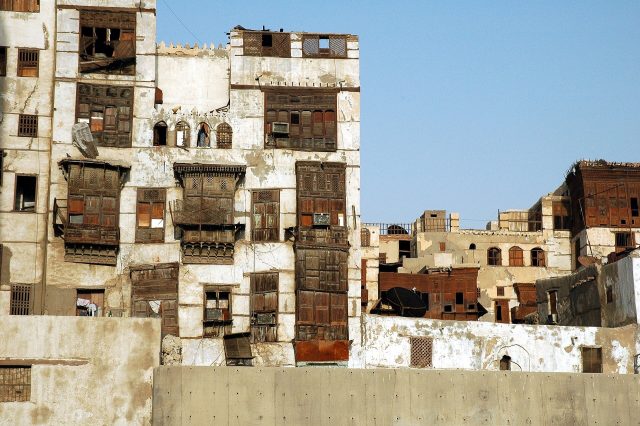
For a trip to Джидда between November and March, pack lightweight, breathable clothing—linen or cotton shirts, loose trousers, and a light jacket for cooler evenings. A wide-brimmed hat and sunglasses are useful year-round, as the sun remains strong even in winter. Comfortable sandals or shoes for walking are ideal for exploring the city’s historic districts.
From April to October, heat becomes the main consideration. Opt for loose, long-sleeved garments to protect against the sun while allowing airflow. A high-SPF sunscreen is essential, as is a reusable water bottle to stay hydrated. If visiting in summer, include a light scarf or shawl to cover shoulders when entering mosques or more conservative areas.
Since Джидда’s sea is warm year-round, swimwear is useful regardless of the season. However, modest swimwear is recommended for public beaches. A small backpack for day trips helps carry water, sunscreen, and a portable fan—useful for outdoor sightseeing during the hottest hours.
| Month | Wind speed |
|---|---|
| January | 3.5 |
| February | 3.9 |
| March | 3.8 |
| April | 3.7 |
| May | 3.5 |
| June | 3.8 |
| July | 3.6 |
| August | 3.6 |
| September | 3.5 |
| October | 2.8 |
| November | 2.9 |
| December | 3.3 |