
Dangriga
Belize · 8 places
Photo: Pgbk87, CC BY-SA 3.0
Dangriga is where the Caribbean Sea brushes against the wild green edges of the jungle, and the rhythms of Garifuna life hum just as naturally as the waves. There are no crowds here, no polished resorts or manufactured thrills—just the steady pulse of a small port town where mornings begin with the scent of fresh fish at the market and evenings fade under the glow of waterfront lanterns. Dangriga doesn’t try to dazzle with grand attractions; its charm lies in its quiet authenticity, in the way time seems to stretch and slow, like the lazy tide lapping at the shore.
The town took shape in the early 1800s, built by escaped slaves and settlers from Honduras, but its soul was shaped by the Garifuna—descendants of Africans and Indigenous Caribbeans who arrived later. Their culture is woven into the fabric of Dangriga, heard in the drumbeats of punta music, tasted in the smoky sweetness of fried fish simmered in coconut milk, seen in the vibrant fabrics draped over market stalls. There are no carefully curated museums here, but history lingers in the weathered wooden houses, in the stories of fishermen, in the festivals celebrated just as they were generations ago.
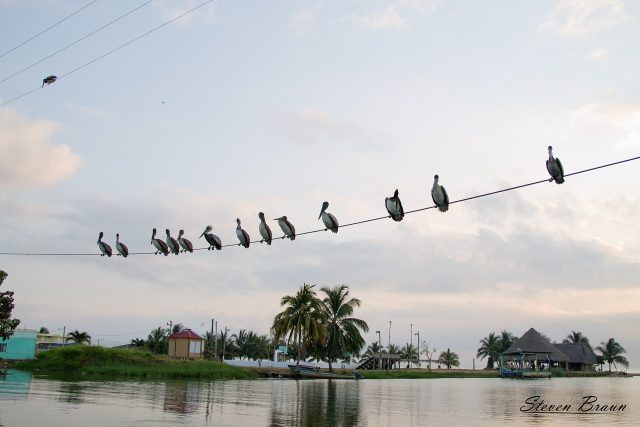
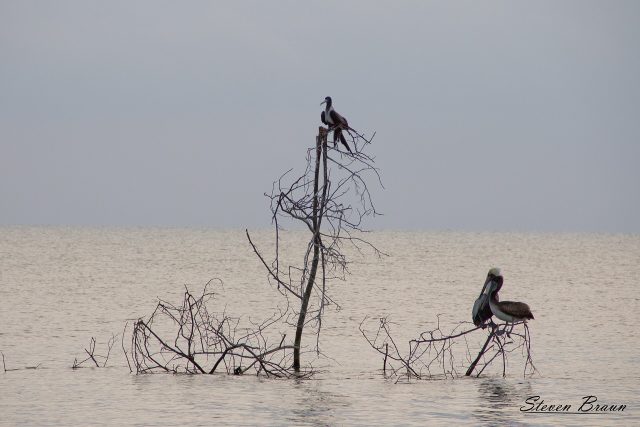
Dangriga is the gateway to Belize’s wild heart. From here, it’s an easy journey to the Cockscomb Basin Wildlife Sanctuary, where jaguars prowl through dense jungle, or to the Southern Lagoon’s coral reefs, where sea turtles glide past schools of tropical fish. But even within the town, nature makes itself known—a pelican skimming the horizon, the cry of gulls at dusk, the salt-tinged breeze that carries the scent of mangroves. Locals are quick to share their favorite spots: secluded beaches where the water is calm and clear, or tiny roadside eateries serving the best seafood tacos in the country.
Life in Dangriga moves at its own unhurried pace. Mornings belong to the fishermen returning with their catch, to children weaving through the streets on their way to school, to elders sitting on porches watching the world go by. There’s no rush here, and even visitors find themselves slipping into the rhythm. A day might pass wandering the waterfront, browsing stalls of handmade crafts, or simply sitting under a mango tree with a cold drink. When the sun dips below the horizon, the town comes alive with music—guitars strumming, drums pulsing, voices rising in song as if time itself has paused to listen.
Dangriga isn’t like other Belizean towns. There are no luxury hotels or rowdy bars, but what it offers is far richer: a sense of realness. This is a place for those who want more than just a beach—who crave living culture, genuine connections, a chance to see the country as it truly is. The town doesn’t try to please everyone, but those who come rarely leave unchanged. Maybe it’s the way the sea air mingles with the scent of spices, or the way the people move to the beat of their own drum. Or maybe it’s simply that in Dangriga, everything feels alive.
See & Do
8 places
Places on the map
Marker colour follows the categoryClimate and weather
Detailed weather: Dangriga- Average temperature
- 27 °C
- Precipitation per year
- 1787 mm
- Sunshine hours per day
- 6.7 h
Average air temperature
°C
25
26
27
28
29
29
29
29
29
28
26
25
Jan
Feb
Mar
Apr
May
Jun
Jul
Aug
Sep
Oct
Nov
Dec


