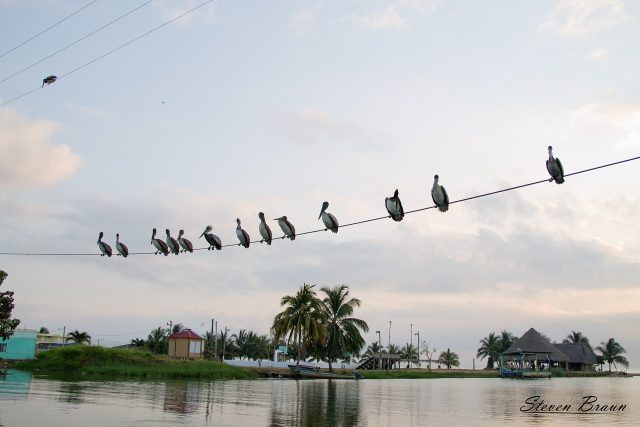
Painted Cay is one of those rare places where the natural world seems to have gathered its brightest colors just to show what it’s capable of. Tucked along the coast near Dangriga, this small island park is a quiet corner of Belize where the Caribbean Sea meets dense mangrove forests and coral reefs that shimmer like a living canvas. There are no crowded resorts or tourist traps here—just the sound of waves lapping against the shore and the occasional call of seabirds overhead. The name itself, Painted Cay, hints at what lies beneath the surface: a vibrant underwater world where fish dart through coral formations in every shade imaginable, as if nature had taken a brush to the seafloor.
The island’s history is deeply tied to the Garifuna people, who settled along Belize’s coast in the early 1800s. For them, Painted Cay wasn’t just a speck of land in the sea but a place woven into their daily lives and traditions. The Garifuna relied on the island for fishing and gathering seafood, and they viewed its mangroves and reefs with reverence, believing they held a spiritual significance. Even today, the park carries traces of that heritage. Local guides often share stories of how their ancestors used the island seasonally, moving between the shore and the sea as the tides and seasons dictated. Over time, the landscape has shifted—some areas eroded, others reclaimed by the water—but the connection to the past remains.
There’s no grand architecture on Painted Cay, no buildings or monuments to speak of. The island is shaped entirely by the forces of nature, with mangrove roots twisting into the water like something out of a dream. Wooden walkways and observation platforms wind through the trees, allowing visitors to explore without disturbing the delicate ecosystem. At the heart of the park, a small information center offers insights into the local wildlife and the ongoing efforts to protect it. The focus here is on the coral reefs, which, though threatened by climate change and pollution, still rank among the most diverse in the region. The mangroves, too, play a crucial role, acting as a buffer against coastal erosion and providing shelter for countless marine species.
The real magic of Painted Cay lies beneath the waves. While Belize’s Great Blue Hole might draw more attention, the reefs here are no less stunning in their own way. Snorkelers and divers can glide over coral gardens teeming with life—clownfish darting between anemones, parrotfish grazing on algae, and the occasional sea turtle gliding past. The reefs form intricate structures, some resembling arches or caves, where lobsters and crabs hide in the shadows. For those who prefer to stay dry, transparent kayaks offer a way to peer into the underwater world without getting wet. The water is so clear that even from the surface, the colors below are vivid and mesmerizing.
This isn’t a place for luxury or entertainment. There are no hotels, no restaurants—just a handful of campsites where visitors can spend the night listening to the ocean. Many come for the day, spreading out on the beach with a book or slipping into the water with a snorkel. Locals often gather here for picnics, grilling fresh fish over an open fire and sharing stories about life by the sea. The atmosphere is relaxed, almost timeless, as if the rest of the world moves a little faster than it does here.
Painted Cay is more than just a scenic spot—it’s an important part of Belize’s ecological network. The park is part of a protected area where conservation efforts are in full swing, from coral restoration projects to programs aimed at safeguarding endangered species. Researchers and volunteers regularly monitor the health of the ecosystem, and visitors can learn about these efforts through educational programs. The mangroves, in particular, are vital, not just for the marine life they support but for their role in protecting the coastline from storms and erosion. When visiting, it’s important to tread lightly. The rules are simple but strict: no touching the coral, no feeding the fish, and no leaving anything behind. Even small actions can have a big impact on such a fragile environment.
For those who want to explore beyond the island, Dangriga offers a glimpse into Belize’s cultural mosaic. This small coastal town is a blend of Garifuna, Creole, and Mestizo influences, where the rhythm of life is set by the sea. The local market is a good place to try traditional dishes like hudut—a rich fish stew made with coconut milk—or to pick up fresh fruit and spices. Nearby, the Maya Mountains and the Cockscomb Basin Wildlife Sanctuary offer more opportunities for adventure, with waterfalls and jaguar trails waiting to be discovered. But even if you never leave Painted Cay, you’ll still get a sense of what makes Belize special: a place where nature and culture exist side by side, each shaping the other in quiet, unexpected ways.
Visiting Painted Cay isn’t just about seeing a beautiful place—it’s about experiencing a different way of being. There are no grand resorts or manicured beaches here, just the raw beauty of an island that feels untouched by time. Maybe that’s why it draws not only travelers but also artists, photographers, and writers, all searching for inspiration in its ever-changing light and color. If you ever find yourself in Belize, take the time to come here. It’s the kind of place that stays with you long after you’ve left, a quiet reminder of how the world can still surprise you when you least expect it.