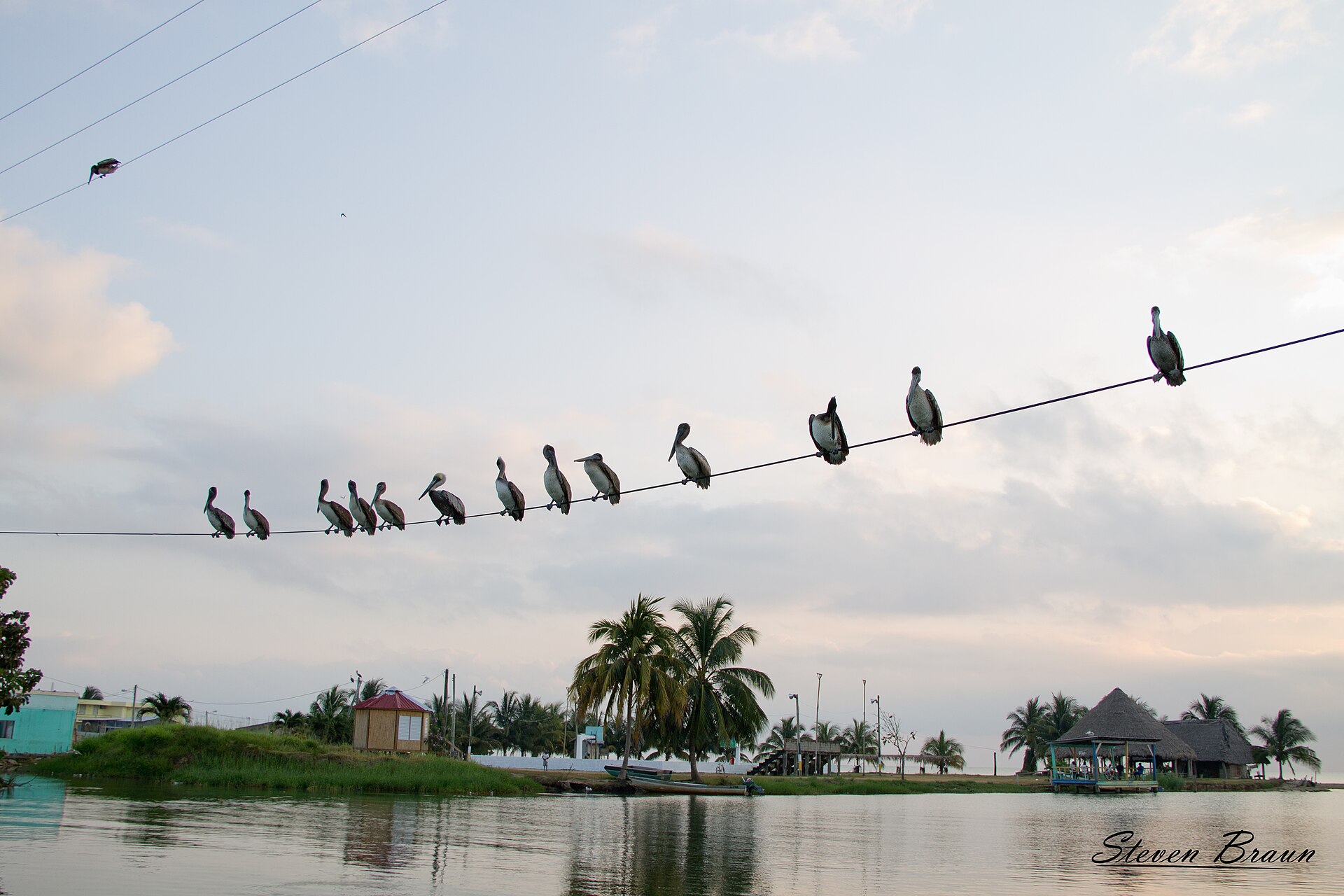
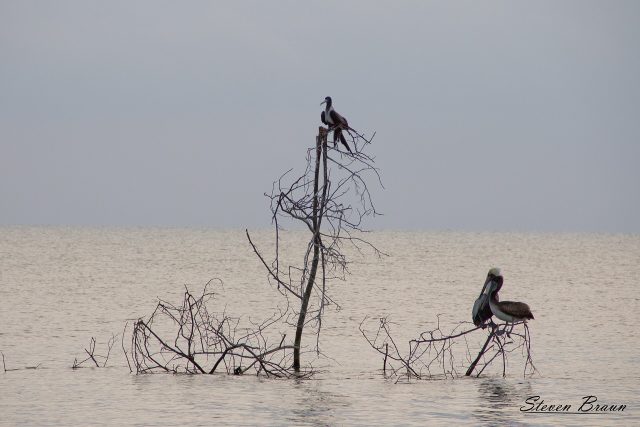
Dangriga’s shoreline is where the Caribbean unfolds without pretense. The town sits along a stretch of coast that moves to the rhythm of the tides rather than the demands of tourism. There are no high-rise hotels or crowded beach bars here, just a quiet expanse of sand that feels untouched despite its proximity to the town. The beach curves gently along the water, its soft golden grains mixed with tiny shells, shifting underfoot with every step.
The water near the shore is clear, shifting from pale turquoise in the morning to a deeper blue by midday. Further from the center, the beach empties out, leaving long stretches where you can walk for hours without seeing another soul. The sea here isn’t tame—it’s wild, with currents that strengthen after rain and a seabed that drops away suddenly in places. Locals know where it’s safe to swim and rarely venture far from the shallows. The waves roll in with a force that reminds you this is the open ocean, not a sheltered cove.
This coast carries the history of the Garifuna people, descendants of African slaves and indigenous Caribbeans who settled here in the early 1800s. Their presence is woven into the fabric of Dangriga—sometimes in the distant beat of punta drums drifting from a gathering, sometimes in the sight of fishermen pushing brightly painted wooden boats into the water at dawn. The catch they bring back is sold along the shore or in small roadside stalls, where the day’s haul is laid out on tables under the sun. The Garifuna language, music, and traditions remain alive here, passed down through generations in ways that feel both ordinary and extraordinary.
The town itself doesn’t impose on the beach. There are no towering resorts or neon-lit restaurants, just low-slung buildings lining the shore—some wooden, some concrete, many dating back to the mid-20th century. A few stand on stilts to escape the high tide, while others are nestled among coconut palms and mangroves. The narrow road running parallel to the water sees more bicycles and pedestrians than cars, with the occasional old pickup truck or motorbike rumbling past. The architecture has a worn-in quality, as if the buildings have settled into their place over time, unhurried and unpretentious.
Sunset is when the beach comes alive in its own quiet way. The sky ignites in shades of orange, pink, and violet as the sun sinks into the water, casting a fiery path across the waves. Locals gather on the sand—some sitting in small groups, others strumming guitars, a few snapping photos on their phones. There’s no performance, no sense of being watched. The atmosphere is easy, as if everyone here has known each other for years. Tourists are rare, and the lack of crowds makes the moment feel intimate, almost private.
At night, the beach darkens, the only light coming from the occasional streetlamp or the glow of windows in the houses along the shore. Away from the town center, the stars emerge with a clarity that’s hard to find in more developed places. The sound of the waves and the rustle of palm fronds fill the silence, broken only by the distant murmur of voices or the hum of a generator. It’s in these moments that Dangriga feels suspended in time, as if the modern world hasn’t quite reached this stretch of coast.
This isn’t just a beach for sunbathing or swimming. It’s where life happens—festivals celebrating Garifuna culture, family picnics, impromptu gatherings. During the rainy season, the shore floods, and the community comes together to repair roads and reinforce homes. For many in Dangriga, the beach is part of daily existence, a place where the past and present overlap without fanfare.
If you visit in the off-season, when the crowds have thinned, the beach feels like a secret. The sand, the sea, and the wind are yours to claim for a while. You can collect shells, sit and watch the waves, or simply do nothing at all. There’s no agenda here, no rush. The sea sets the pace, and it’s slow, deliberate, and unapologetically itself.