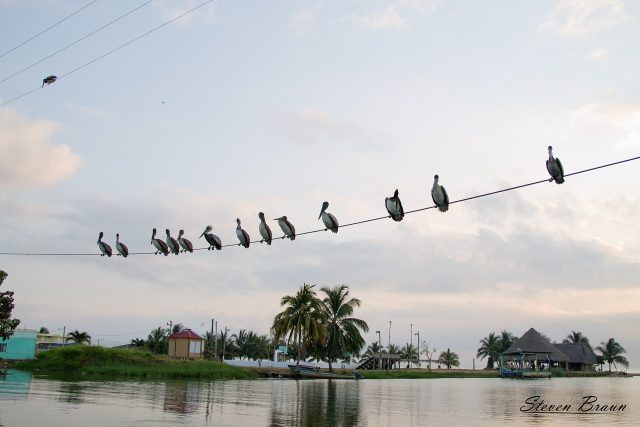
Dangriga sits where Belize meets the sea. The Caribbean coastline here carries the rhythm of the Garifuna, a people with African roots and Indigenous Caribbean traditions. Their language, music, and way of life shape Belize’s identity, especially in Dangriga. Just north of the town center, the Gulisi Garifuna Museum is where their story isn’t just remembered—it’s lived.
The center is named after Gulisi, a figure from legend. Some say she was a chief’s daughter who saved her people by teaching them to fish and prepare cassava. Others speak of her wisdom, which guided the community through hardship. Whether myth or memory, Gulisi represents resilience, and the center named for her keeps the past alive today.
The buildings here blend in. Low wooden structures with thatched roofs resemble traditional Garifuna homes. Inside, open spaces host workshops and gatherings, while a small museum holds objects that tell a larger story: fishing nets, baskets made from palm leaves, handmade drums, and photographs of faces you might recognize in town.
The drums aren’t just artifacts. They’re a language, a way to speak to ancestors and pass down knowledge.
The Garifuna story began in the 17th century, when enslaved Africans shipwrecked near St. Vincent and mixed with the Indigenous Carib people. This union created a new culture, one that later clashed with European colonizers and was forced to flee. By the late 18th century, the Garifuna settled along the Central American coast, including what is now Belize, bringing their language, beliefs, and customs with them. The exhibits here present that history without softening its edges.
At Gulisi, you don’t just observe the past—you take part in it. Try weaving baskets from palm leaves or grating cassava for bread. You might learn to play the drums, the heartbeat of Garifuna music. Workshops are led by locals who see this as more than a job. It’s a way to keep their heritage alive. Children from the community learn from elders, not as a lesson, but as part of life.
Music is central to Garifuna culture. The traditional rhythms of punta, recognized by UNESCO, aren’t just performed here—they’re shared. Drums mark rituals, celebrations, and everyday moments. Sometimes, the center hosts gatherings where musicians play and visitors can join the dancing. The music feels like an invitation, not a show.
Gulisi isn’t just a museum. It’s a place where culture grows. Young Garifuna express their identity through music, fashion, food, and community projects. The center works with local schools to keep the Garifuna language alive, as it remains at risk. For many in Dangriga, this is a gathering place, a reminder of something larger than themselves.
A visit to Gulisi isn’t about walking through an exhibit. It’s about stepping into an experience. There’s no set schedule. You might listen to stories, taste traditional dishes, or sit under the trees, watching life unfold. The atmosphere is relaxed but meaningful. Here, history and the present aren’t separate. Culture isn’t just something to observe. For those who want to see Belize beyond its beaches, Gulisi offers a glimpse into the country’s soul.