Damascus
Syria · 5 places
Photo: See above, CC BY-SA 3.0
Damascus
Damascus is one of the oldest continuously inhabited cities in the world. History here isn’t preserved in stone but woven into daily life. Walk through its streets, and you’ll pass layers of time—Bronze Age settlements, Roman legions, Umayyad caliphs, and Ottoman pashas. The city hasn’t become a museum. It’s alive, chaotic, and real.
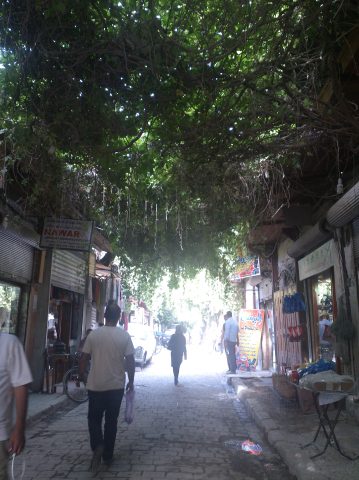
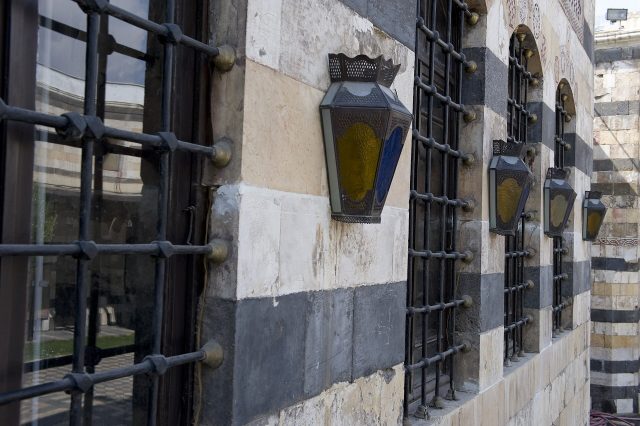
The narrow lanes of the Old City, paved with black basalt, twist past whitewashed houses. Behind wooden doors lie courtyards where fountains murmur and orange trees cast shade. The air carries the scent of spices, fresh bread, and coffee. Above it all, the minarets of the Umayyad Mosque rise, marking a place that was once the heart of an empire.
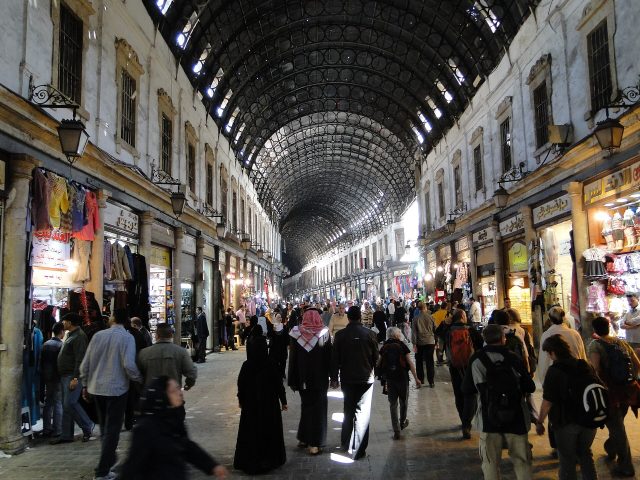
The Old City is a maze. Getting lost reveals small discoveries—a shop selling copper trays, a glassblower’s workshop where artisans use techniques passed down through generations, or a quiet courtyard tiled with mosaics. The Al-Hamidiyah Souq stretches beneath a Roman colonnade. Vendors sell silk fabrics, perfumes, dried fruits, and olives from nearby villages. Stop to talk, and someone might hand you tea or tell you how their grandfather started the business decades ago.
Beyond the Old City, Damascus changes. Wide boulevards lined with palm trees and cafés fill with students and businesspeople. In other neighborhoods, life moves slowly, as it has for centuries. In Tishreen Park, families walk shaded paths, and old men play backgammon under trees. As evening falls, the city shifts. The Barada River promenade fills with music, cafés spill onto sidewalks, and old buildings glow under lights.
Damascus has shaped Syria and the Middle East. The Umayyad Mosque stands where a Roman temple and a Christian basilica once did. Its minarets dominate the skyline. Inside, marble columns, golden mosaics, and the tomb of John the Baptist—revered by Muslims and Christians—mark a shared past. Nearby, the Chapel of Saint Ananias marks the spot where Paul regained his sight after encountering Christ. These places show how different cultures and faiths have coexisted here for centuries.
Damascus has weathered storms and keeps rising. Damaged buildings are being restored. New cafés and galleries open. Children’s laughter returns to the streets. The people here, hardened by hardship, welcome visitors with warmth. They share meals and stories. The city endures—not because of its monuments, but because of the people who refuse to let its past fade.
See & Do
5 places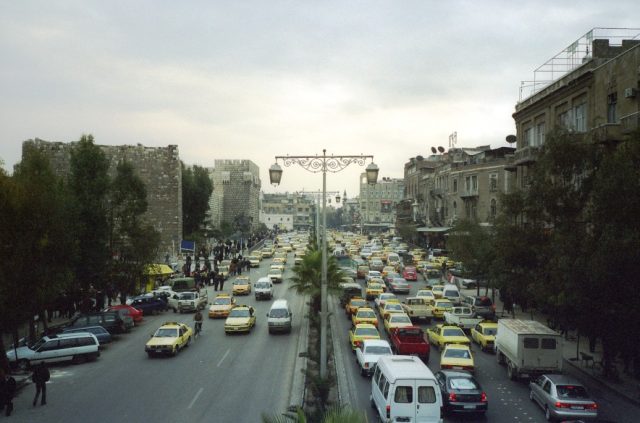

Places on the map
Marker colour follows the categoryClimate and weather
Detailed weather: Damascus- Average temperature
- 18 °C
- Precipitation per year
- 170 mm
Average air temperature
°C
7
9
12
18
23
27
29
28
26
21
14
9
Jan
Feb
Mar
Apr
May
Jun
Jul
Aug
Sep
Oct
Nov
Dec