Azem Palace in Damascus is one of those rare places where time seems to slow down, allowing the past to breathe. Built in the mid-18th century for Asad Pasha al-Azem, the Ottoman governor of Syria, it was more than just an official residence—it became a symbol of an era when Damascus was a vital crossroads of the vast Ottoman Empire, stretching from the Balkans to the Arabian Peninsula. The palace’s architecture reflects the layered influences of its time: the grandeur of Ottoman design, the intricate elegance of Arab craftsmanship, and subtle echoes of Persian traditions. Thick stone walls, soaring ceilings, and expansive courtyards were not just aesthetic choices but practical solutions to the city’s scorching climate, offering cool respite even in the height of summer.
The palace is organized around three main courtyards, each serving a distinct purpose. The first was designed for official receptions, where governors would meet dignitaries and merchants under the shade of arched galleries. The second, more intimate courtyard was reserved for the private life of the al-Azem family, a quiet retreat from the demands of governance. The third likely served practical needs—storing supplies, housing servants, or tending to the daily rhythms of palace life. At the heart of the grand courtyard lies a marble fountain, its gentle trickle once cooling the air and creating a serene atmosphere for conversations that shaped the region’s politics and trade. Today, walking through these spaces, it’s easy to imagine the murmur of voices, the clink of coffee cups, and the soft footsteps of attendants moving through the halls.
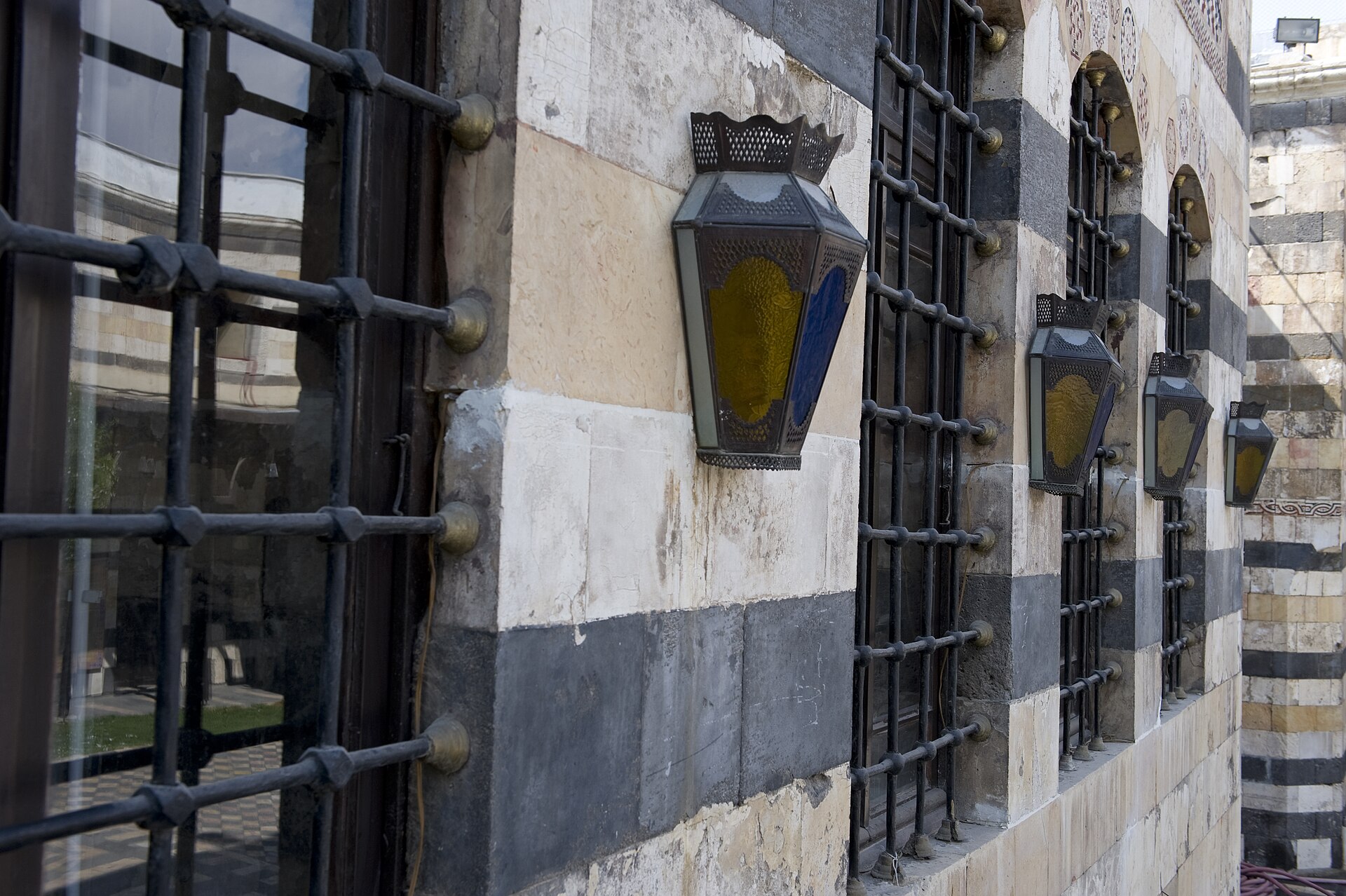
Inside, the palace is a masterclass in decorative artistry. Walls are adorned with intricate wood and stone carvings, ceilings painted with geometric and floral patterns that seem to dance in the light. Floors are laid with mosaics of colored stone, their designs shifting subtly as the sun moves across the sky. One of the most striking features is the *ablaq* technique, where alternating bands of light and dark stone create a shimmering effect, as if the walls themselves are alive. Some rooms still retain their original stained glass, casting a soft, diffused glow that softens the harsh Syrian sunlight. These details speak not only to the wealth of the palace’s original owner but to the generations of artisans who perfected their craft here, passing down techniques that defined Damascus’s reputation as a center of beauty and refinement.
Azem Palace is deeply woven into the fabric of Damascus’s history. After the al-Azem family’s tenure, it continued to serve as a residence for subsequent Ottoman governors before becoming an administrative building under French colonial rule in the early 20th century. Later, it housed various government offices until it was eventually transformed into a museum. Today, its collections offer a glimpse into daily life during the Ottoman period—furniture, ceramics, weapons, textiles, and household items that tell the stories of the people who once called this city home. Each artifact is a quiet witness to centuries of history, revealing how Damascus’s residents lived, worked, and celebrated within these walls.
Yet the palace is more than a museum; it remains a living space where the past and present intersect. Its courtyards and halls regularly host exhibitions of contemporary art, classical music concerts, and literary gatherings. On summer evenings, the sound of traditional Syrian music drifts through the air, blurring the line between history and modernity. Locals come here not just to admire the exhibits but to linger in the shade of the arches, sipping coffee or reading a book. For many Damascenes, Azem Palace is a part of their personal history—a place where families have celebrated milestones, where students have met for quiet study, or where anyone can escape the hustle of the city outside.
Architecturally, the palace is a testament to the ingenuity of traditional Middle Eastern design, adapted to Damascus’s unique climate. Narrow windows and thick walls kept interiors cool, while an intricate system of wells and channels ensured a steady water supply even during droughts. These weren’t just practical solutions but the result of centuries of trial and error, refined by generations of builders who understood the land’s rhythms. In an age of climate-controlled buildings, such techniques feel almost revolutionary, a reminder of how architecture can harmonize with nature rather than dominate it.
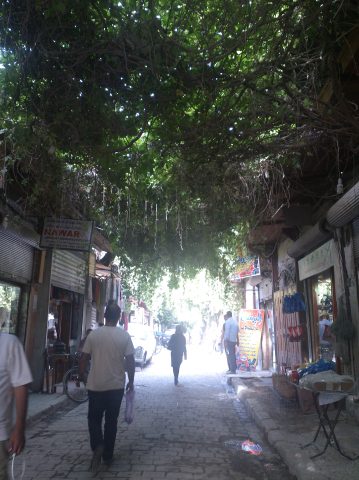
The palace sits in the heart of Old Damascus, a neighborhood that feels like an open-air museum. Narrow stone streets wind past ancient caravanserais, towering minarets, and hidden courtyards, each corner revealing another layer of the city’s past. Walking through this area, it’s easy to picture the bustling life of medieval Damascus—merchants haggling over spices and silk, artisans crafting metalwork and glass, scholars debating philosophy in the shadow of the Umayyad Mosque. Damascus has always been a city of cultural convergence, and Azem Palace stands as one of its most enduring symbols.
In recent decades, Syria’s conflicts have left many of its historical sites damaged or destroyed, making Azem Palace’s survival all the more significant. Its restoration in the early 2000s returned the building to its former glory, allowing new generations to experience its beauty. For visitors, it offers a rare chance to step into history, while for locals, it serves as a reminder that their city’s identity is rooted in more than just the present. The palace is a bridge between eras, a place where the stories of the past are still being told.
Visiting Azem Palace isn’t like touring a typical museum. There are no crowds rushing from one exhibit to the next, no guided tours hurrying you along. Instead, there’s a quiet stillness, broken only by the rustle of leaves in the courtyard or the distant echo of footsteps on stone. You can spend hours wandering the halls, tracing the patterns of the mosaics, or simply sitting in the shade, watching how the light shifts across the walls. In moments like these, it’s clear why Damascus is often called one of the world’s oldest continuously inhabited cities. It doesn’t just preserve its past—it lives within it.