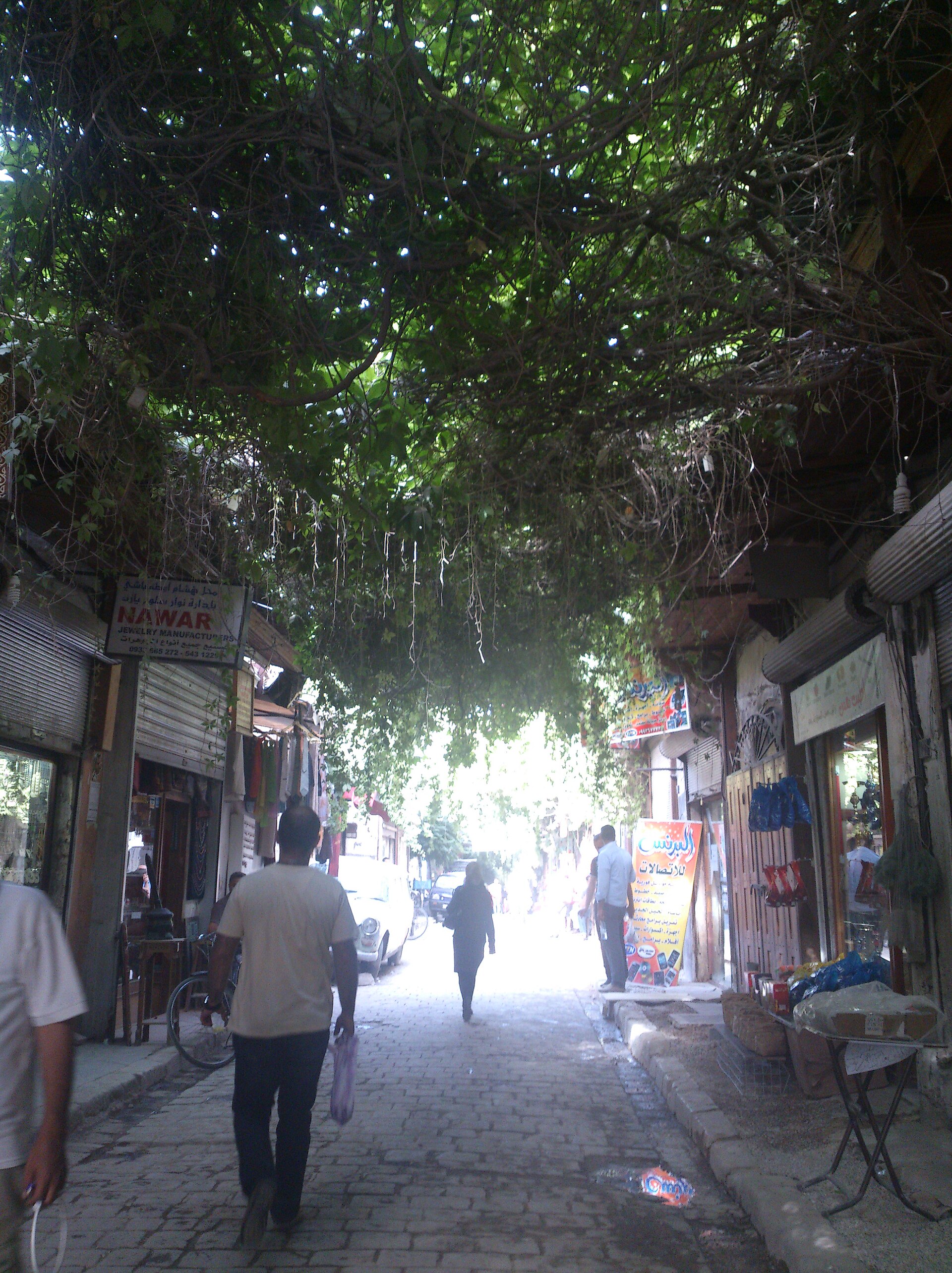
Damascus’s Old City is more than just a historic district—it’s a place that has breathed for millennia, its stones holding the memories of empires that rose and fell within its walls. Walking through its narrow, cobblestone streets, you sense the weight of time: the footsteps of Aramean traders, Roman legions, Arab conquerors, and Ottoman rulers still seem to linger in the air. It’s one of the oldest continuously inhabited cities in the world, and that history isn’t confined to museums or plaques. It lives in the way people go about their daily routines, in the scent of spices drifting from open doorways, in the sound of water trickling from courtyard fountains.
The architecture here is a palimpsest of civilizations, each layer leaving its mark without erasing what came before. Roman columns stand beside ornate Arab arches, medieval madrasas share walls with Ottoman bathhouses, and Byzantine mosaics peek out from behind intricately carved wooden ceilings. The Umayyad Mosque, built in the 8th century on the site of a former Roman temple and Christian basilica, is the most striking example of this layered history. Its towering minarets, vast marble courtyards, and shimmering mosaics depicting paradise gardens are more than just architectural marvels—they’re a testament to the city’s role as a crossroads of faiths. For centuries, people of different religions prayed within these walls, and the mosque still feels like a place where time has softened the edges of division.
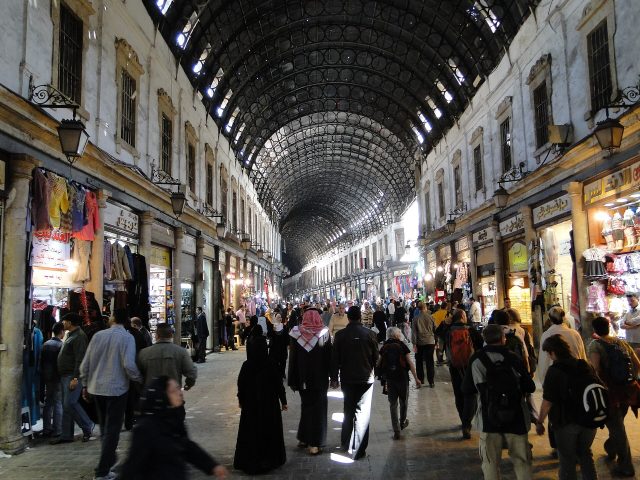
A stroll through the Old City is like stepping into a storybook version of the East. The souks, especially Al-Hamidiyah, are a sensory overload in the best way: the clatter of copper pots being hammered into shape, the glint of gold jewelry in dimly lit stalls, the earthy aroma of cumin and sumac piled high in sacks. Vendors call out prices, coins jingle in outstretched palms, and the scent of cardamom-spiced coffee hangs thick in the air. You can spend hours wandering past shops selling everything from dried apricots and olives to antique coins and handwritten manuscripts. As the sun dips below the rooftops, the streets come alive with locals heading to cafés or climbing to the flat roofs of their houses, where the city lights stretch out like a carpet of stars.
Damascus has always been a city of legends. Some say Cain killed Abel here, and the Prophet Muhammad, upon seeing the city from a distance, chose not to enter, fearing its beauty would distract him from his spiritual path. In the Middle Ages, Damascus was a beacon of learning, drawing scholars, poets, and philosophers from across the Islamic world. Its libraries held priceless manuscripts, its hospitals pioneered medical techniques, and its observatories mapped the stars. Even today, you might stumble upon a crumbling house where a famous astronomer once lived or a courtyard where a poet composed verses that would echo through the centuries.
What makes the Old City truly special, though, are its residential quarters. Behind unassuming facades lie grand houses built around lush courtyards, where fountains murmur under the shade of orange trees and walls are adorned with intricate stonework and mosaics. Many of these homes date back to the Ottoman era and remain in the hands of old Damascene families. Some have been converted into guesthouses or restaurants, where you can taste dishes like fattoush, kibbeh, or muhallabiya—recipes that have been passed down for generations. If you’re lucky, the owners might share stories of their ancestors, offering a glimpse into the lives that have unfolded within these walls for hundreds of years.
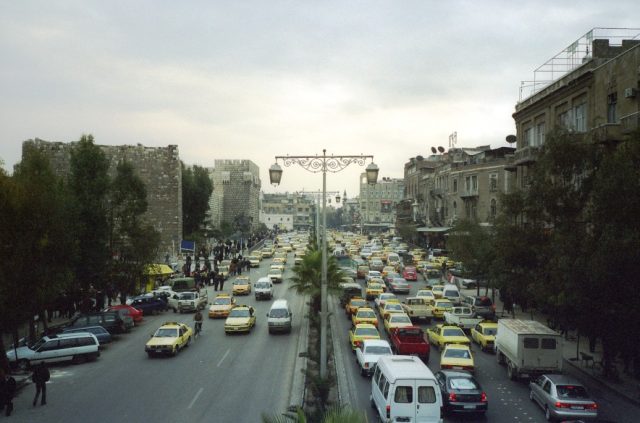
The past few decades have been hard on Damascus. War has left scars on parts of the Old City, and some areas still bear the marks of conflict. Yet the heart of the historic center has endured, and life here has a way of reclaiming its rhythm. Locals, resilient and proud, welcome visitors with warmth, offering tea and conversation as if the outside world’s troubles are a distant concern. Time moves differently in the Old City—slowly, deliberately, as if the centuries have taught it the value of patience. It’s one of the few places left where the past isn’t just preserved behind glass but woven into the fabric of everyday life, where history isn’t something you read about but something you feel in the cool shade of an ancient archway or the taste of freshly baked bread from a neighborhood oven.