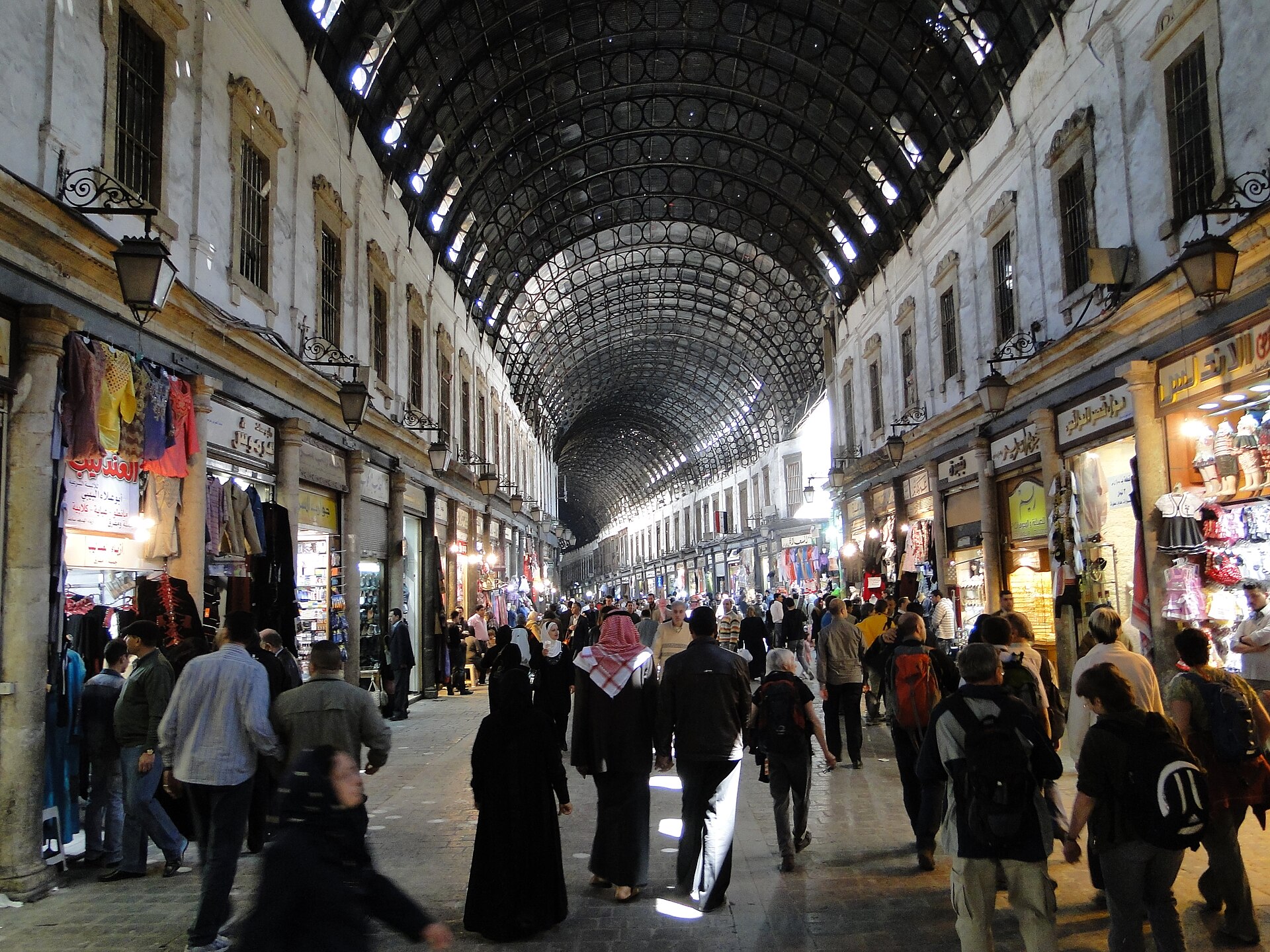
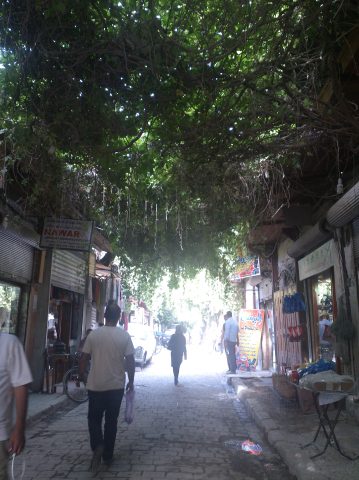
Al-Hamidiyah Souq is one of those rare places in Damascus where time seems to slow down, as if the centuries have left it untouched. Stretching from the ancient gates of Bab al-Salam to the grand Umayyad Mosque, the market feels like a world apart, a labyrinth of narrow covered alleys where the past lingers in every stone. The air is thick with the scent of spices, leather, freshly brewed coffee, and the smoky aroma of grilled meat sizzling on open braziers. The high vaulted ceilings, supported by thick columns, cast long shadows over the bustling crowds, creating an atmosphere that feels both timeless and intimate.
The origins of Al-Hamidiyah are shrouded in history, though it’s clear the market has stood here for millennia. Long before it bore its current name, this was a vital trading hub during the Roman era, a key stop on the Silk Road where merchants from distant lands exchanged goods, stories, and news. Under the Umayyads, the souq expanded, its architecture evolving into the form we see today—stone arches, narrow passageways, and a roof designed to shield traders from the harsh Syrian sun. Even now, walking through its corridors feels like stepping into a living museum, where every corner tells a story of commerce and culture.
What makes Al-Hamidiyah unique is its ability to balance tradition with the present. Here, you’ll find everything from handcrafted copperware and intricately woven brocade, made using techniques passed down through generations, to modern souvenirs and textiles. One of the market’s most famous offerings is Damascene steel, known for its strength and the delicate patterns forged into each blade. The spice stalls are another highlight, their vibrant piles of saffron, cardamom, and sumac filling the air with rich, earthy aromas. Nearby, bakeries churn out fresh bread, their golden loaves adding to the sensory overload.
The rhythm of life in Al-Hamidiyah is unlike anywhere else. There’s no rush, no pressure—just the slow, deliberate pace of bargaining, conversation, and shared cups of tea. Shopkeepers often invite visitors to sit on low stools, offering tiny cups of cardamom-spiced coffee while they spin tales about their wares. Even if you’re not in the market for a purchase, lingering in one of these stalls is an experience in itself, a chance to witness a way of life that has remained unchanged for centuries. The art of negotiation here is almost ceremonial, a dance of words and gestures that can stretch on for hours.
The architecture of the souq is a marvel in its own right. The roof, a mix of metal beams and glass panels, filters sunlight into a soft, diffused glow that plays across the stone walls. In some sections, the arches are adorned with intricate carvings, remnants of a time when Damascus was a center of Islamic art and craftsmanship. The effect is especially striking in the evening, when lanterns flicker to life and the market takes on a magical quality, as if plucked from the pages of an old storybook. The narrow alleys, lined with shops glowing warmly from within, feel like a portal to another era.
Beyond commerce, Al-Hamidiyah is a cultural heartbeat of the city. It’s not uncommon to stumble upon impromptu performances of traditional music or to watch artisans at work in their stalls. In one corner, you might find weavers crafting the famous Damascene silk and brocade, their looms clattering as golden threads are woven into elaborate patterns. These fabrics, once reserved for royalty, are still made by hand, their designs as intricate as they were centuries ago. Watching the process is like witnessing history in motion.
The souq has weathered countless storms—wars, political upheavals, economic crises—yet it endures as a symbol of Damascus’s resilience. Even in the hardest times, the market never truly closed. Traders returned, stalls reopened, and life carried on, as it always has. Today, Al-Hamidiyah remains a draw for both locals and travelers, not just for its goods but for the experience it offers. A day spent wandering its alleys can lead you from spice merchants to tiny cafés serving the best falafel in the city, or to sweet shops where sticky baklava and pistachio-laden ma’amoul tempt even the most disciplined visitors.
For many Damascenes, Al-Hamidiyah is more than just a market—it’s a repository of personal memories. Some recall childhood trips with their parents, others remember first dates among its bustling crowds, and a few might even have once worked here themselves. The souq is a living archive of the city’s collective history, a place where every corner holds a story. Even those who have left Damascus often make a point of returning to Al-Hamidiyah, as if stepping back into its alleys is a way to reconnect with home.
In recent years, the market has faced new challenges. Economic shifts, modern shopping malls, and a younger generation less inclined toward traditional crafts have all left their mark. Yet Al-Hamidiyah adapts without losing its essence. It remains a place where you can still find handmade goods, hear live music, and feel the pulse of a city that has seen empires rise and fall. More than just a tourist attraction, it’s a bridge between past and present, a reminder of what makes Damascus unlike anywhere else in the world.