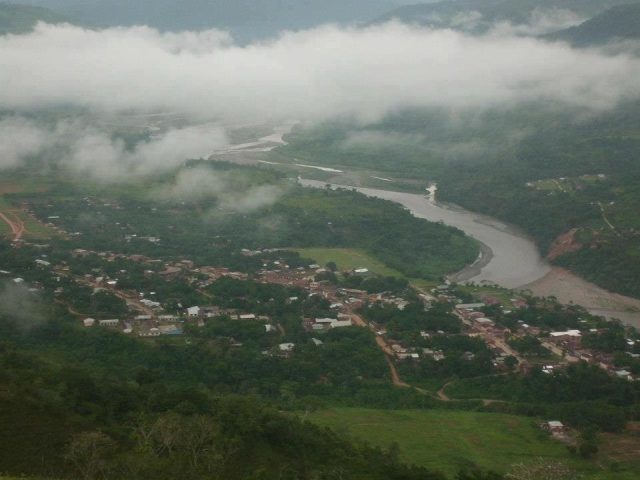
Onycha
Nigeria · 7 places
Photo: Koutchika Lihouenou Gaspard, CC BY-SA 4.0
Onitsha
Onitsha doesn’t reveal itself at first glance. It asks you to slow down, to look beyond the surface. The city sits on the eastern bank of the Niger River, a commercial hub where goods and people from the north and the coast converge. There are no luxury hotels or polished tourist trails—just daily life, raw and unfiltered. The rhythm is unhurried, deliberate, as if the city moves to its own time.
The Market
The market is the heart of Onitsha. It sprawls across blocks, one of the largest in West Africa. From dawn until dusk, it hums with activity: pyramids of fresh fruit, sacks of spices, bolts of fabric, stacks of electronics. Used cars gleam under the sun, prices negotiated in rapid-fire bargaining. The air smells of fried fish, woodsmoke, diesel. Navigating the crowd is a challenge, but here, in the crush of bodies and constant chatter, you feel the city’s energy. Traders move with ease, unfazed by heat or chaos, their voices rising and falling in deals and greetings.
Beyond the Market
The streets narrow into a maze of low-slung buildings and quiet neighborhoods. No grand boulevards or skyscrapers—just small shops, workshops, homes. Locals sit in doorways, chatting with neighbors or watching the world pass. In the evenings, children play football, their laughter mixing with the murmur of adults in small groups. This side of Onitsha feels far from the market’s frenzy. Even in a city built on trade, there are moments of quiet connection.
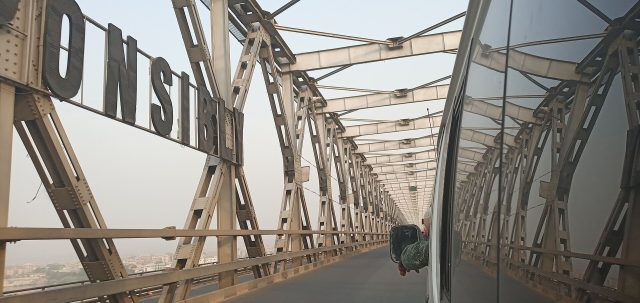
The Niger River, wide and muddy, cuts through the landscape. Along its banks, fishermen mend nets, traders sell their catch, wooden boats ferry passengers and goods. The river has shaped Onitsha for centuries, tying the city to its past and future.
A City of Movement
Founded as a trading post before colonial rule, Onitsha has always been a place of exchange. Its streets hold stories: migrants who arrived for opportunity, families who’ve lived here for generations, traditions that endure. A roadside stall selling handmade tools might sit next to a shop with the latest smartphones. A centuries-old market operates alongside modern businesses. The past isn’t just remembered—it’s alive.
Onitsha doesn’t cater to outsiders. No tourist traps, no performances for visitors. The city simply exists, unapologetically itself. That’s why it stays with you.
See & Do
All of them

Places on the map
Marker colour follows the categoryClimate and weather
Detailed weather: Onycha- Average temperature
- 26 °C
- Precipitation per year
- 1597 mm
Average air temperature
°C
27
29
28
27
27
25
25
25
25
25
26
27
Jan
Feb
Mar
Apr
May
Jun
Jul
Aug
Sep
Oct
Nov
Dec