Bet Shemesh is a city where the past and present coexist in unexpected ways, and nowhere is this more evident than at Or HaTorah Synagogue. Unlike the grand, historic synagogues of Jerusalem or the austere prayer halls of older Israeli towns, this place feels different—less about imposing tradition and more about welcoming people in. It stands in a neighborhood that has grown rapidly over the past few decades, a mix of modern apartment blocks and quiet streets where families from all over the world have put down roots. The synagogue itself doesn’t demand attention with towering domes or intricate carvings. Instead, it blends into the surroundings with a quiet confidence, its light stone walls catching the sunlight in a way that makes the building seem almost alive.
The architecture is deceptively simple. There are no sharp angles or ornate flourishes, just smooth curves that echo the rolling hills of the Judean landscape. Large windows dominate the facade, flooding the interior with natural light—a deliberate choice that sets it apart from older synagogues, where dimly lit spaces often create an atmosphere of solemnity. Inside, the layout is designed to feel open and inclusive. The bimah, the raised platform where the Torah is read, sits at the center, surrounded by seating arranged in a way that encourages connection rather than separation. Unlike traditional synagogues with strict gender divisions, Or HaTorah accommodates mixed seating, reflecting the evolving nature of religious practice in Israel today.
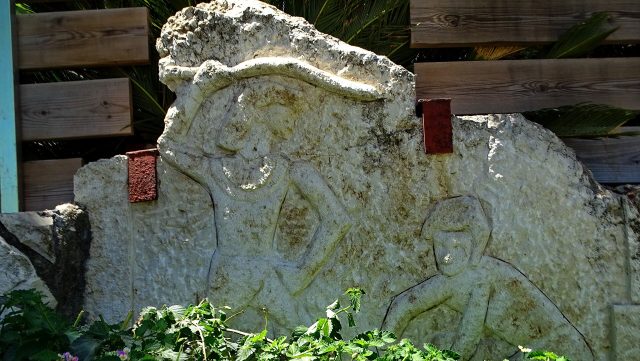
The interior is warm and unpretentious, with wooden panels and subtle Jewish motifs adding character without overwhelming the space. Local artists occasionally contribute works that bring a personal touch to the walls, whether through calligraphy, abstract designs, or scenes from Jewish history. The overall effect is one of understated elegance, a place where people can focus on what matters without distraction. On weekdays, the synagogue hums with quiet activity—men and women studying texts, children attending classes, or individuals simply sitting in contemplation. But during holidays, the atmosphere transforms. The air fills with the scent of freshly baked challah, the sound of singing, and the murmur of conversations in Hebrew, Russian, Amharic, and English. It’s a reminder that this isn’t just a house of prayer, but a community hub where people from different backgrounds come together.
Or HaTorah’s story is intertwined with that of Bet Shemesh itself. The city was founded in the 1950s as an industrial and transportation center, but over time it evolved into a residential hub attracting a diverse population. Secular Israelis live alongside religious families, immigrants from the former Soviet Union and Ethiopia mix with native-born residents, and newcomers from Western countries add their own cultural flavors. In a place where differences could easily create divisions, the synagogue serves as a bridge. It’s not uncommon to see a Moroccan-born grandfather discussing Torah with a young American immigrant, or Ethiopian-Israeli children playing alongside their Russian peers during community events. The synagogue doesn’t erase these differences—it gives them a space to coexist.
The building’s design, while modern, is deeply rooted in Jewish tradition. Like all synagogues, it faces Jerusalem, a symbolic gesture that ties every prayer and gathering to the holy city. The placement of the bimah, the arrangement of seating, even the lighting—all follow age-old customs, though with a contemporary twist. There’s no rigid adherence to formality for its own sake; instead, the space adapts to the needs of its congregation. This balance between tradition and modernity is what makes Or HaTorah feel so approachable. It doesn’t ask visitors to conform to a specific way of being religious. Instead, it offers a place where people can engage with their faith—or simply with one another—on their own terms.
For many who attend, the synagogue is more than a place to pray. It’s a refuge from the pace of daily life in a city that never seems to slow down. Bet Shemesh is a place of constant motion, where new neighborhoods spring up overnight and the hum of construction is a constant backdrop. In the midst of this, Or HaTorah provides a sense of stability. On a quiet weekday morning, you might find someone sitting alone in the sanctuary, lost in thought, or a small group gathered for a Torah study session. The synagogue’s doors are always open, not just for services but for moments of quiet reflection, difficult conversations with the rabbi, or the simple comfort of being in a place where you’re known.
The community here is always evolving, and so is the synagogue. In recent years, Or HaTorah has expanded its programming to meet the needs of a changing population. There are now after-school programs for children, Hebrew language classes for new immigrants, and social initiatives that support families in need. These efforts have turned the synagogue into something more than a religious institution—it’s a living, breathing part of the city’s fabric. People come not just to pray, but to learn, to volunteer, or to find a sense of belonging. It’s a place where someone who’s just arrived in Israel can feel at home, and where long-time residents can rediscover what drew them to Bet Shemesh in the first place.
What makes Or HaTorah special isn’t its grandeur or its history, but its ability to make people feel welcome. There’s no pretense here, no expectation that visitors must fit a certain mold. Whether you’re deeply religious, casually observant, or simply curious, the synagogue offers a space where you can be yourself. The warmth of the community is palpable, from the way people greet each other to the way they come together during times of celebration or hardship. In a world where so many places feel transient, Or HaTorah feels like a home—a place where the past and present coexist, and where everyone, no matter their background, can find a connection.