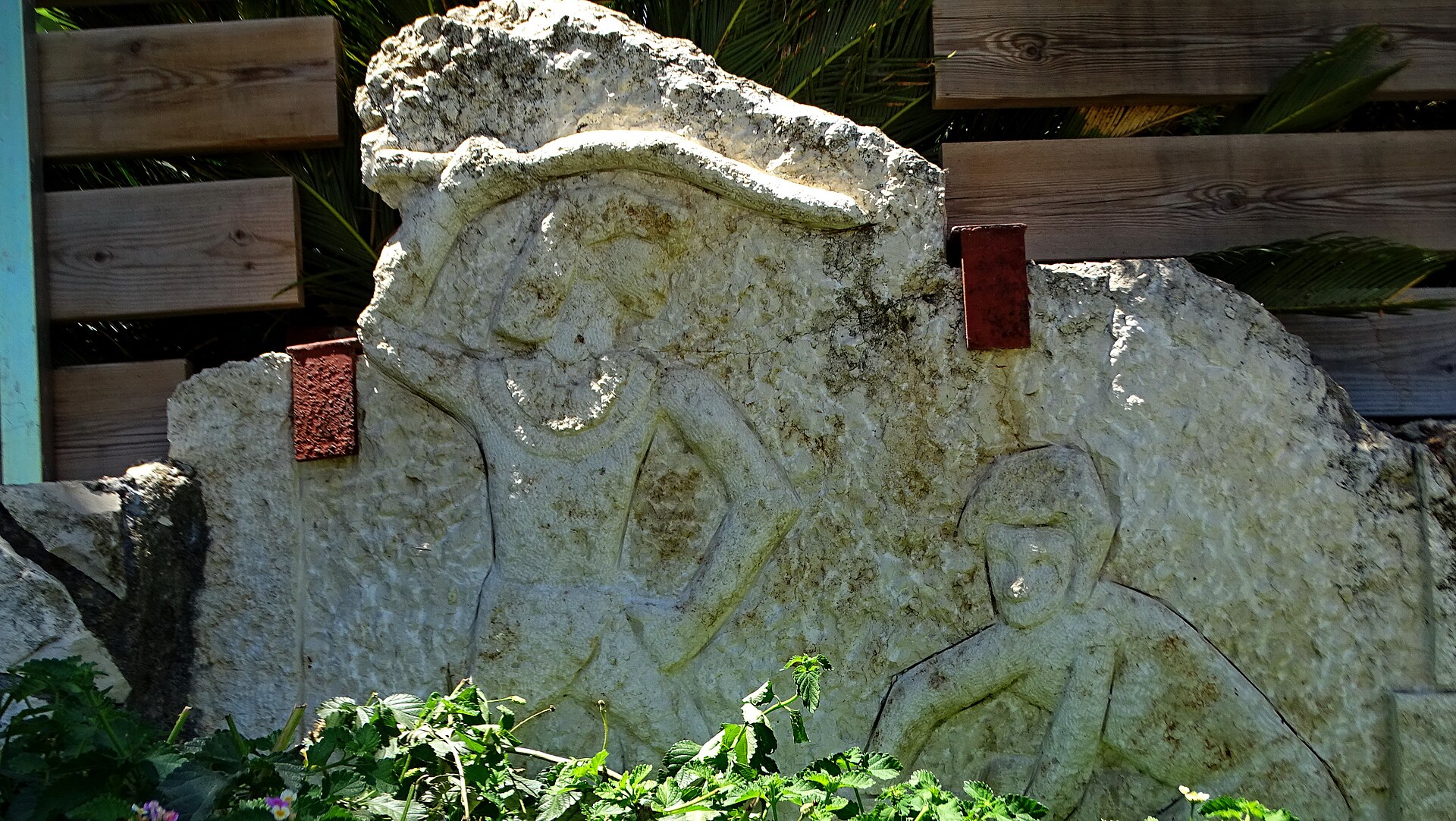
Perched on the edge of modern Beit Shemesh, Tel Beit Shemesh is a hill where layers of history stack like pages of an ancient manuscript. This rise in the Judean foothills was once a city, its name appearing in biblical accounts as a frontier settlement of the tribe of Judah. Over millennia, it saw civilizations come and go—from the Bronze Age to the Byzantine era—each leaving traces of daily life, trade, and conflict. The earth here holds stories for those who walk its paths.
The city’s name, Beit Shemesh, means House of the Sun, pointing to its religious role. Tradition says the Ark of the Covenant rested here after its return from the Philistines, before moving to Jerusalem. Excavations have uncovered a temple dedicated to a solar deity, confirming its place in ancient cults. During the First Temple period, it became part of the Kingdom of Judah. Its location at the crossroads of trade routes made it economically important. Merchants, soldiers, and pilgrims passed through, leaving behind pottery, coins, and tools beneath the soil.
The hill is modest in height. From its summit, the view stretches across the Sorek Valley, once the border between Judah and Philistia.
City walls, residential quarters, and public buildings remain visible. An ancient water system, built to sustain the city during sieges, still stands. The stones bear marks of hands that shaped them thousands of years ago. The Iron Age city gates, some of the best-preserved, stand where history passed through.
The Byzantine era left churches and monasteries here. Mosaic floors with Greek text show a mix of cultures and faiths. By the time the Arabs arrived, Beit Shemesh had faded, its structures buried. What remains is a patchwork of history—each layer a different chapter.
Tel Beit Shemesh doesn’t overwhelm with reconstructions or signs. It lets you wander, touch the stones, and imagine the lives that unfolded here. The wind moves through the grass, voices blend with silence, and the past feels close.
Beit Shemesh today is a town with busy streets. The tel, in contrast, is quiet. This contrast makes the site feel like a reminder—civilizations rise and fall, leaving only fragments. But those fragments spark the imagination.
For those drawn to history, Tel Beit Shemesh lets you step into the past. The outlines of the city remain—stone-paved streets, home foundations, wells. It rewards patience, revealing details slowly to those who look.
Not everyone will appreciate its quiet charm. But if you do, it’s a chance to walk where ancients once did.
The site doesn’t demand attention. Each stone, each shard of pottery, each worn step tells a story. Together, they form a mosaic still being pieced together. Tel Beit Shemesh is a conversation between then and now, continuing with every visitor who pauses to listen.