Weather overview
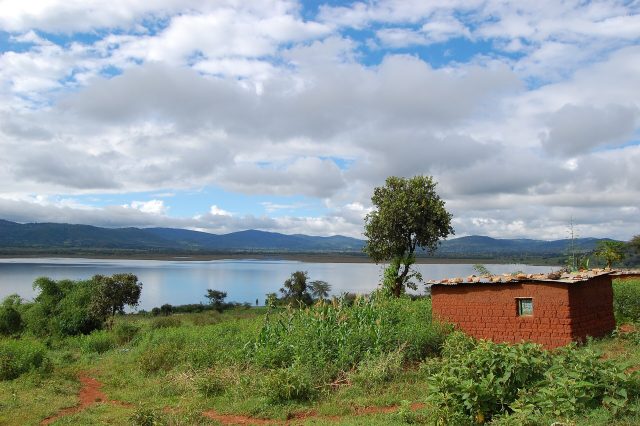
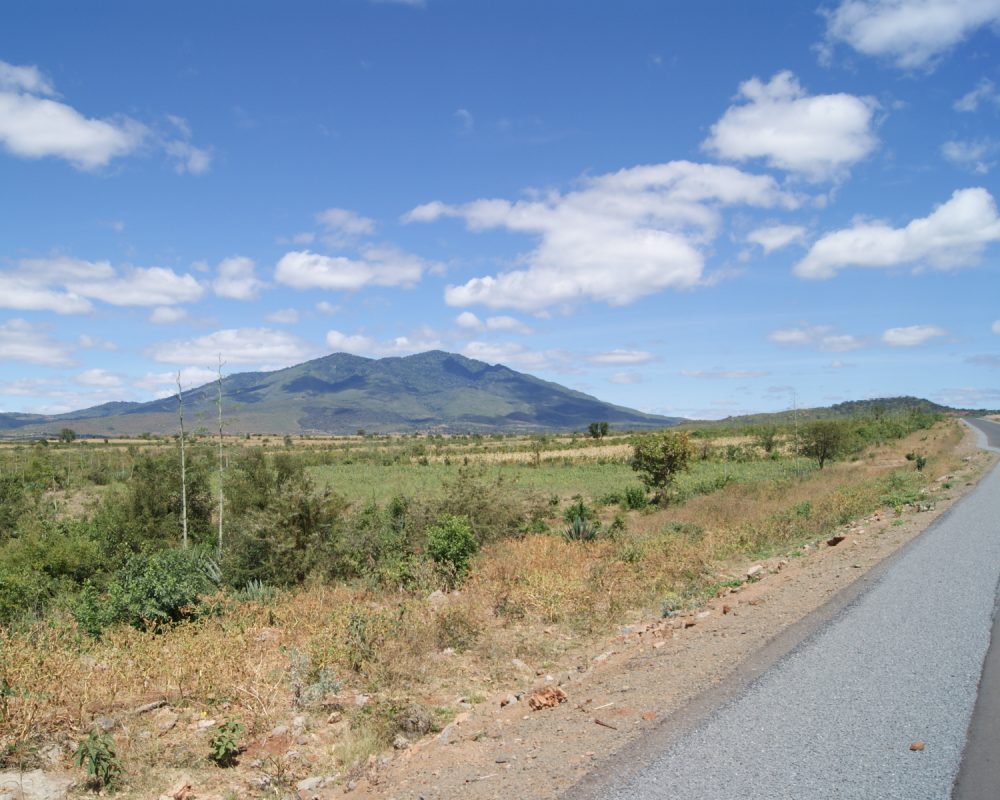
Бабати lies in northern Tanzania, where the climate remains warm year-round but shifts noticeably between wet and dry periods. The town sits at an elevation that softens the heat, making even the warmest months feel more comfortable than in lower-lying areas of the country.
From November to April, Бабати experiences its rainy season, with the heaviest downpours typically arriving in March, April, and November. The rest of the year is much drier, particularly from June to September, when clear skies and cooler nights become the norm. These seasonal changes shape everything from road conditions to wildlife movements in the surrounding landscapes.
Temperature
Temperatures in Бабати stay mild compared to many other parts of Tanzania, with daytime highs rarely exceeding +28 °C even in the warmest months. The hottest period falls in February and March, when averages reach +22.1 °C and +22.4 °C, while nights remain pleasant at around +16 °C.
The coolest stretch arrives in July, when daytime temperatures hover around +23.4 °C and nights can drop to +14.5 °C. This slight chill is most noticeable in the early mornings and evenings, so packing a light jacket is worth considering if visiting Бабати during these months. By September, the warmth gradually returns, with temperatures climbing back toward +25.6 °C by midday.
| Month | Minimum | Maximum |
|---|---|---|
| January | 16.1 | 27.4 |
| February | 16 | 28.2 |
| March | 16.9 | 28 |
| April | 17.9 | 25.5 |
| May | 16.8 | 24 |
| June | 15.4 | 23.5 |
| July | 14.5 | 23.4 |
| August | 14.4 | 24.4 |
| September | 15.2 | 25.6 |
| October | 15.9 | 26.8 |
| November | 16.9 | 26.8 |
| December | 16.4 | 26.6 |
Precipitation
Rainfall in Бабати follows a distinct pattern, with two wet seasons bookending the year. The long rains arrive in March and April, bringing over 200 mm of precipitation in April alone. Roads in and around Бабати can become muddy during this time, though the landscape transforms into lush greenery.
The short rains return in November and December, with November often the wettest month at 225.5 mm. Between these periods, the dry season dominates from June to October, with July and August seeing almost no rain at all—just 6.2 mm and 3.2 mm, respectively. Travelers looking to avoid heavy downpours may prefer these drier months.
| Month | Precipitation |
|---|---|
| January | 52.3 |
| February | 25.4 |
| March | 155.7 |
| April | 201.6 |
| May | 46.7 |
| June | 15.5 |
| July | 6.2 |
| August | 3.2 |
| September | 11.3 |
| October | 34.9 |
| November | 225.5 |
| December | 99.9 |
What to pack
For a trip to Бабати during the dry season, lightweight clothing is ideal, especially for daytime explorations. A light sweater or long sleeves will help in the cooler evenings of June, July, and August, when temperatures dip. Comfortable walking shoes are a must, as many attractions around Бабати involve uneven terrain.
If visiting during the rainy months, waterproof footwear and a compact rain jacket become essential. The heavy rains in March, April, and November can make trails slippery, so sturdy shoes with good grip are recommended. A quick-dry outfit will also come in handy, as humidity rises during these periods. Don’t forget sun protection year-round—even on overcast days, the equatorial sun can be strong.
| Month | Wind speed |
|---|---|
| January | 2.3 |
| February | 2.5 |
| March | 3 |
| April | 3.5 |
| May | 3.9 |
| June | 4.4 |
| July | 4.6 |
| August | 4.7 |
| September | 4.7 |
| October | 4.4 |
| November | 3.6 |
| December | 2.3 |