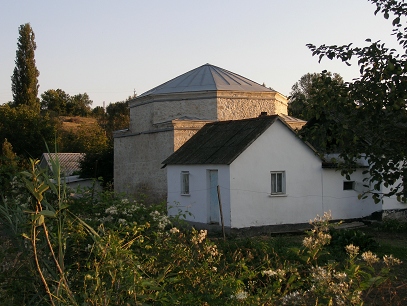
Plum Tree
Russia · 7 places
Photo: Oleksa Haiworonski, CC BY-SA 3.0
Aivovoye is one of those quiet, unassuming towns in southern Russia that most travelers overlook—and that’s exactly what makes it worth visiting. There are no crowded tourist spots, no souvenir vendors hawking trinkets, no grand monuments demanding attention. Instead, the town unfolds at its own unhurried pace, nestled in the foothills where the air carries the scent of ripe fruit in summer and the earthy sweetness of fermenting grapes in autumn. Winters are mild, with just a dusting of snow that softens the landscape without disrupting the slow rhythm of life. The hills around the town are dotted with vineyards and orchards, their rows stretching toward the horizon like something out of an old painting.
The town’s history is rooted in the land. For generations, these hills have been known for their fruit, and the name Aivovoye likely comes from the quince trees that once grew wild here. While large agricultural companies now manage many of the surrounding plantations, the town itself still feels like a relic of an earlier time. Old houses with carved shutters and tiled roofs line the streets, and the central square is anchored by a statue of the man who founded the local winemaking tradition—a figure holding a cluster of grapes, surrounded by pigeons that seem to have claimed the place as their own. The past isn’t preserved in museums here; it lingers in the way people live, in the traditions that haven’t yet faded.
Life in Aivovoye moves to the seasons. In the mornings, the market fills with the colors and smells of fresh produce—peaches still warm from the sun, homemade cheese wrapped in cloth, jars of honey with bits of comb clinging to the sides. By evening, the town’s small cafés come alive with music and conversation, the kind of places where strangers become acquaintances over a glass of young wine. Summer brings harvest festivals, when the streets are strung with fruit garlands and the air hums with the sounds of celebration. The quince festival is the highlight, a day of tastings where locals show off their best preserves and compotes. Winter is quieter, but the town still gathers for the New Year, when children sled down gentle slopes and the central square glows with lights.
The landscape around Aivovoye is as varied as it is peaceful. Rolling steppes give way to wooded foothills, and small rivers cut through the terrain, their waters clear enough to see the stones below. Hiking trails wind through the countryside, offering hours of solitude and views that change with the seasons. One of the most popular routes leads to an old waterfall, especially striking in spring when the snowmelt swells the streams. Another curiosity is the abandoned wine cellar carved into the rock, its wooden barrels now empty but still holding the echoes of a time when this was a place of craftsmanship. Locals say it once stored the region’s finest wines, though today it’s mostly visited by those looking for a quiet spot to take a photograph.
This isn’t a place for those seeking grand adventures or famous landmarks. Aivovoye doesn’t offer much in the way of luxury—no high-end hotels, no flashy attractions. What it does offer is something rarer: a chance to step into a way of life that hasn’t changed in decades. The guesthouses here are simple but welcoming, often run by families who treat visitors like old friends. They’ll pour you a glass of homemade wine and share stories about the town, its people, and the land that sustains them. In a world that moves too fast, Aivovoye feels like a pause—a reminder of what it means to slow down, to notice the small things, and to find beauty in the ordinary.
See & Do
7 places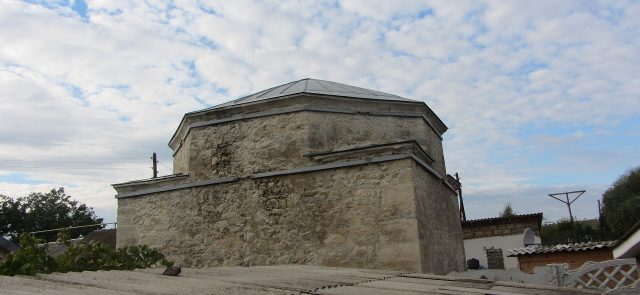
Places on the map
Marker colour follows the categoryClimate and weather
Detailed weather: Plum Tree- Average temperature
- 13 °C
- Precipitation per year
- 526 mm
- Sunshine hours per day
- 7.4 h
Average air temperature
°C
2
3
6
11
16
21
24
24
19
13
8
4
Jan
Feb
Mar
Apr
May
Jun
Jul
Aug
Sep
Oct
Nov
Dec


