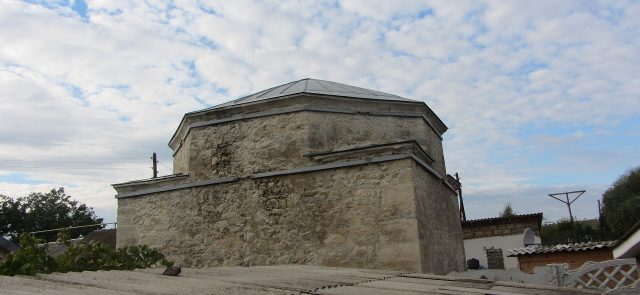
Plum Tree is one of those quiet Russian towns where time moves at its own unhurried pace, and history isn’t something confined to textbooks—it lingers in the streets, the buildings, and the stories people still tell. At the heart of this place stands the local history museum, a modest but deeply personal space that feels less like an institution and more like a conversation with the past. Housed in a 19th-century merchant’s home, the building itself is part of the story, its worn wooden floors and high ceilings whispering of the lives once lived within its walls.
The museum began as a grassroots effort in the mid-20th century, when a group of local historians and preservationists decided to gather the fragments of Plum Tree’s history before they disappeared entirely. What started as a small collection of donated photographs, documents, and household items has grown into a repository of several thousand objects, each one a piece of the town’s identity. There’s no grand narrative here, no attempt to compete with larger museums—just an honest, unvarnished look at how people in this corner of southern Russia lived, worked, and endured over the last two centuries.
The exhibits are arranged thematically, guiding visitors through the layers of the town’s past. The first room holds archaeological finds—shards of pottery, stone tools, and coins—evidence of settlements that predated the modern town by centuries. Next comes the era when Plum Tree was little more than a trading post, a crossroads where merchants dealt in grain, textiles, and salt. The displays here include old scales, weights, and samples of goods that once changed hands, alongside yellowed documents granting trade rights. Early 20th-century photographs capture the town’s transformation, showing its first factories, bustling markets, and streets that would be unrecognizable today.
One of the most evocative sections is devoted to everyday life, where the museum recreates the rhythms of the past with striking intimacy. A peasant’s cottage is furnished with the tools of domestic labor—a spinning wheel, a cast-iron stove, clay pots, and a half-sewn shirt left on a table as if the seamstress just stepped away. Nearby, a worker’s corner holds a rusted toolbox and a pair of heavy boots, while a display of samovars and hand-painted dishes hints at the rituals of hospitality. The effect is uncanny; the objects feel less like relics and more like silent witnesses to lives that were once as vivid as our own.
The museum’s most somber exhibit is dedicated to World War II, a conflict that reached even this remote town. Though Plum Tree never saw combat, its people contributed to the war effort in ways both ordinary and extraordinary. The room holds letters from the front, faded photographs of young soldiers, and medals awarded to those who never returned. A soldier’s kit—mess tin, canteen, a worn greatcoat—sits beside ration cards and propaganda posters from the home front, a reminder that war touched every household, even those far from the fighting. For many visitors, this is the most moving part of the museum, a space where history feels immediate and deeply personal.
Beyond its exhibits, the museum serves as a living part of the community. School groups come for guided tours, veterans share their memories at special events, and local artisans display their work in temporary exhibitions. Occasionally, the halls fill with music when amateur musicians perform folk songs or classical pieces, transforming the space into something closer to a cultural salon. For longtime residents, the museum is a place to reconnect with their roots, while for newcomers, it offers a quiet introduction to the town’s character.
The building itself is a relic of Plum Tree’s commercial past. Built in the late 1800s, it reflects the architectural style common to southern Russian towns of the era—tall windows framed by intricate woodwork, a spacious courtyard, and thick walls that once kept the summer heat at bay. Originally a merchant’s shop, it later housed local government offices before being converted into apartments after the revolution. Only decades later did it find its current purpose, though traces of its earlier life remain in the ornate plaster ceilings and the massive stoves that once heated its rooms.
What makes this museum special isn’t the size of its collection or the fame of its artifacts, but the way it captures the essence of a place that might otherwise be overlooked. There are no crowds here, no hurried selfie sticks or scripted audio guides—just the quiet hum of a town’s memory. Visitors don’t so much tour the exhibits as they do wander through them, pausing to examine a child’s toy, a farmer’s ledger, or a soldier’s diary. In a world where history is often reduced to grand narratives, this small museum offers something rarer: a chance to see the past not as a series of events, but as a tapestry of ordinary lives, each one shaping the place in ways both seen and unseen.