Crimea Beaches: Where Sand, Where Pebbles, and Where to Go for Clean Water

Photo: Malyushkin, CC BY-SA 4.0
People argue about Crimean beaches as if the coastline were uniform. It is different, and the difference lies not in taste, but in geology: the south is mountain fragments, the west is washed-up sand, the east is something in between. This determines what you step into in the water and how quickly you freeze.
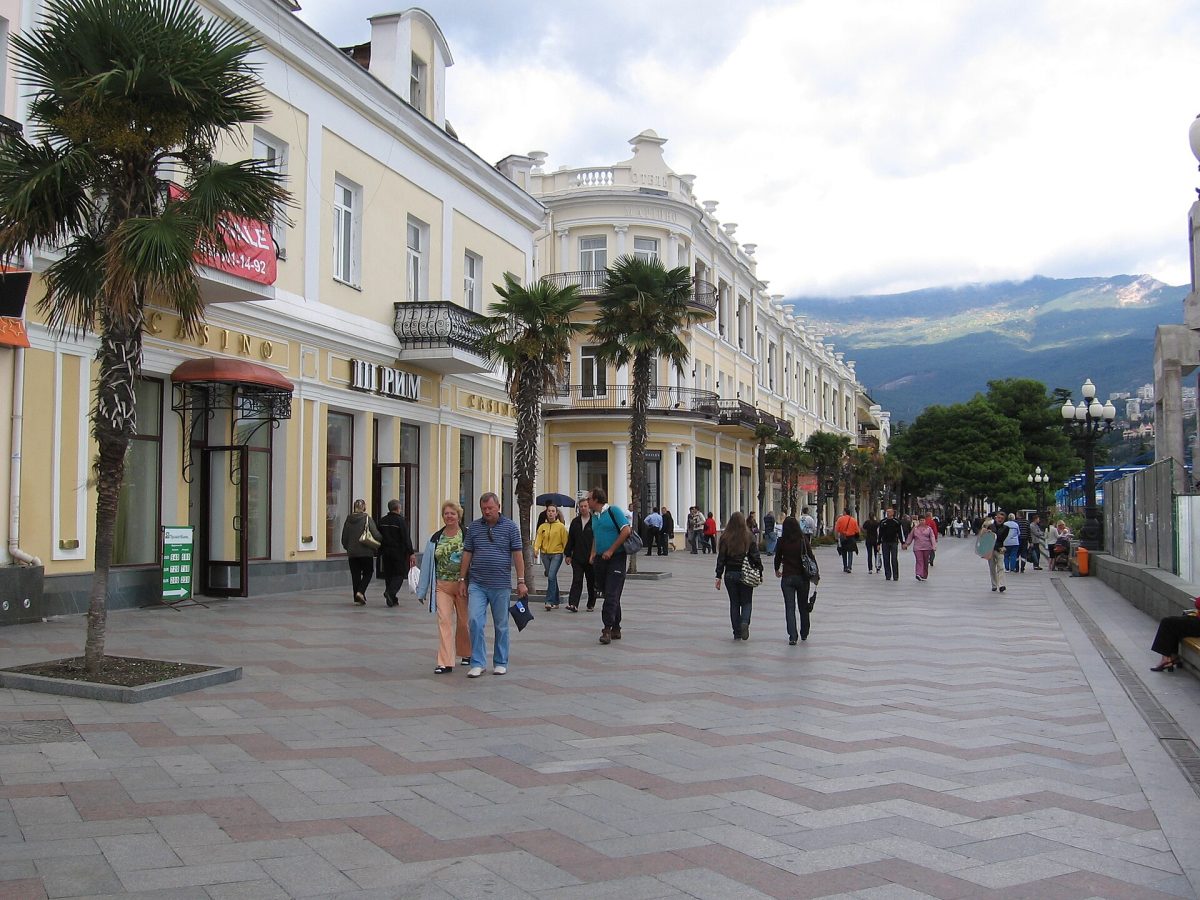
South Coast: Pebbles and Depth Immediately
From Foros to Alushta, beaches are almost entirely pebbly, sometimes with boulders. Mountains come close to the water, there is nowhere for sand strips to form, and depth begins two or three steps from the shore.
There is one significant plus: the water here is the cleanest on the peninsula. Pebbles do not rise from the bottom, silt after a storm settles within a day, and visibility holds for five to seven meters.
Yalta Embankment — the urban option: crowded, everything nearby, water is mediocre due to the port. Massandra Beach is further east and cleaner. Those who need silence should go to Vorontsov Baths under Alupka — the descent is long, but there are half as many people.
Footwear for entering the water here is not a whim: stones are slippery and have sharp edges.
West: Sand and Shallow Water
From Yevpatoria to Nikolaevka the coast is flat, beaches are sandy, entry is gentle — in some places you walk twenty meters knee-deep. This is exactly why Yevpatoria has been considered a children's resort for a hundred years, and this is not a marketing move, but a property of the relief.
The price of shallow water is heating and silt. The water warms up already in late May, but after the wind sand rises, and the transparency of the south coast is never here.
Gorky Embankment — the center of urban beach life: cramped, noisy, everything at hand. For space, people go further, towards Zaozernoye.
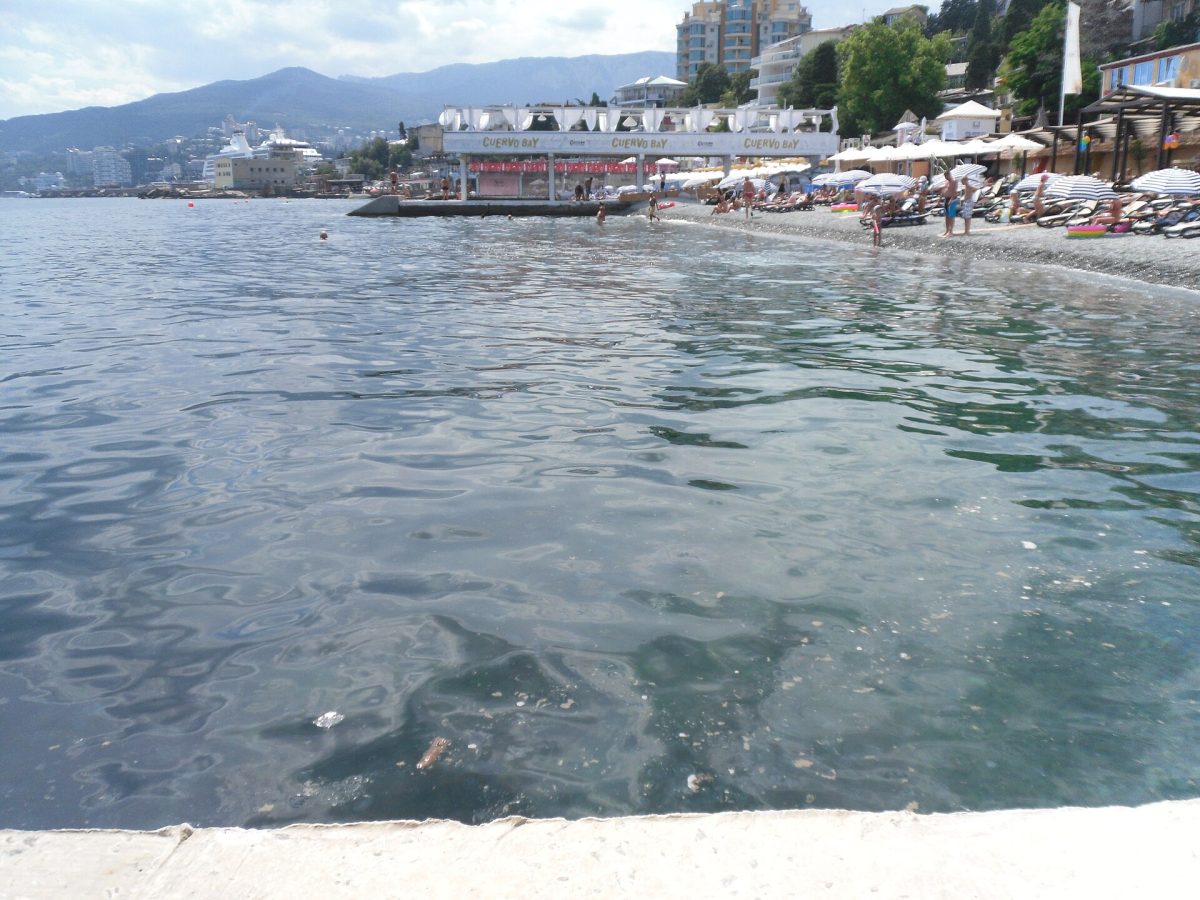
East: Bays and Wild Coasts
The coast from Sudak to Feodosia is arranged in bays, and each has its own bottom. In Novy Svet beaches are fine-pebble, water is almost turquoise due to light limestone on the bottom — that very ancient coral reef from which the mountains here are composed.
Important caveat: swimming along Golitsyn Trail and in Blue Bay is forbidden — this is a protected water area, and fines are issued there. You can look, not swim.
In Koktebel the coast is pebbly, water is clean, and carnelians and chalcedonies are still found on beaches — volcanic rock of nearby Karadag. Removing stones from protected territory is prohibited, from the city beach — it is not.
Sevastopol: Cleaner Than Expected
The city is a port, and the reputation of its beaches is undeservedly bad. On the North Side Uchuevka and Lyubimovka — wide sand-pebble strips with normal water, because the current carries everything to the other side.
For transparency, people go to Fiolent: water there is greenish and almost always clean, but the descent is almost eight hundred steps, and the climb back is hard.
When to Go
The water warms up by mid-June and holds heat until early October. July and August — the hottest, the prices, and the crowds. September gives the same sea cheaper and calmer, and locals consider it the best month.
Storms come suddenly and muddy the water for a day or two; after them the south coast becomes clean fastest.
What is open on the coast and where everything is located — on the pages of Yalta, Sevastopol and neighboring cities.


