Where to Go for a Summer Vacation in Russia: Guide to the Best Destinations

Photo: Юлия Драченко, CC BY-SA 4.0
Russia in summer is vast expanses where everyone will find a vacation to their liking. Someone dreams of a gentle sea and sandy beaches, someone — of mountain hikes and the purest lakes, and someone wants to immerse themselves in the history and architecture of ancient cities. In this article, we have gathered the best destinations for a summer vacation in Russia — from Kaliningrad to Vladivostok, from northern latitudes to southern resorts. You will find out where to visit this summer, which cities and natural attractions deserve attention, and how to plan the perfect trip across Russia. We will tell you not only about world-famous resorts but also about little-known, but no less beautiful corners of our homeland, which can surprise even the most sophisticated traveler. This year, summer in Russia promises to be warm and eventful, which means — it is time to plan your vacation. Read our guide, choose a direction and embark on a journey that will be remembered for a lifetime. Russia is huge and multifaceted, and each region keeps its secrets, ready to open up to those who dare to know them. From the warm beaches of the Black Sea to the harsh beauty of Baikal, from the golden domes of ancient cities to the majestic peaks of Altai — summer Russia awaits you.
Black Sea Coast of the Caucasus: Classic Summer Vacation
The Black Sea coast remains the most popular destination for summer vacation in Russia. Subtropical climate, warm sea, developed infrastructure and rich nature make this region attractive for tourists of all ages. The length of the Black Sea coast of the Krasnodar Territory is more than 400 kilometers, and there are places for every taste here: from noisy resort towns with night clubs to quiet villages where you can secluded yourself and enjoy nature. The resort season starts in May and lasts until October, and the peak falls on July and August, when the sea warms up to maximum temperatures. The climate here is unique — this is the only region in Russia with a subtropical zone, which explains the lush vegetation and long summer. The average annual air temperature is about +14 °C, and in summer the thermometer column often rises above +35 °C, only the refreshing sea breeze saves.
Sochi — the main resort of the country
Sochi is rightly considered the summer capital of Russia. The city stretches along the Black Sea coast for 145 kilometers, and everyone will find entertainment to their liking here. The central district of Sochi is Adler, where the international airport and the famous Olympic Park are located. Here is also one of the best beaches of the city — the "Riviera" beach with clean sand and developed infrastructure.
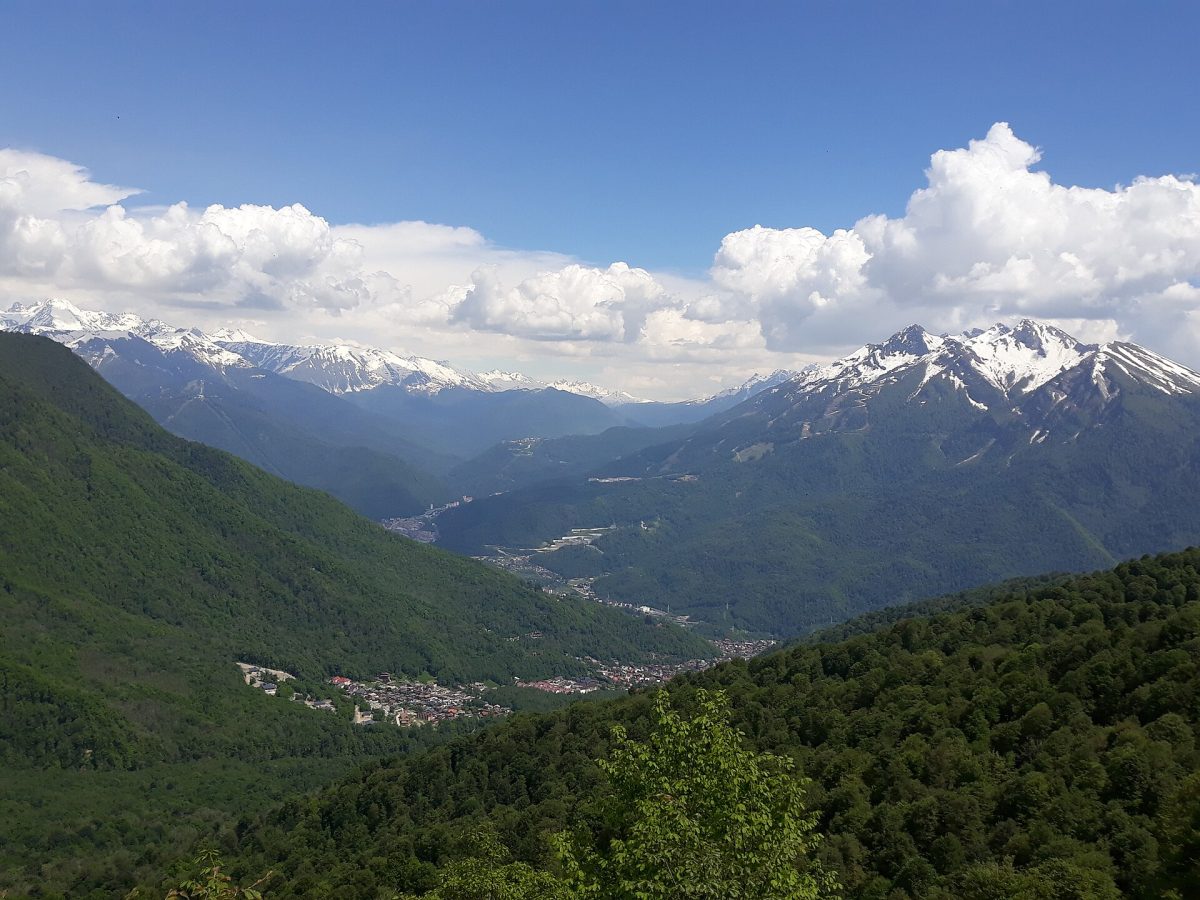
The resort village of Krasnaya Polyana deserves special attention. In summer, it is not only a ski resort but also a great place for hiking at an altitude of more than two thousand meters. Take the cable car to the top of the Aibga ridge — breathtaking views of the Main Caucasus Range and the coast open from there. In the Mzymta River valley, you can go rafting, and in the mountain forests — pick mushrooms and berries.
Sochi is rich in natural attractions. Be sure to visit the Agura Waterfalls — a cascade of three waterfalls in the Khosta district. Eagle Cliffs from a height of 125 meters open a panorama of the Black Sea and mountains. And in the Sochi arboretum, plants from all over the world are collected — you can walk here for hours, enjoying rare species of flora.
In summer in Sochi, the air temperature stays at +28–32 °C, the water warms up to +24–26 °C. The high season lasts from June to September. At this time, the resort offers many festivals: the "Sochi" jazz festival, fireworks festival, gastronomic holidays. Dinner in one of the restaurants on the embankment with a view of the sea is a must for every guest of the city.
For lovers of active recreation in Sochi, rope parks, surfing and diving schools, horseback riding in the mountains operate. And if you want cultural leisure — at your service are the Winter Theater, the museum of the history of the resort city and numerous art galleries.
Anapa — family resort with sandy beaches
Anapa is considered one of the best family resorts in Russia. Its main advantage is sandy beaches that stretch for tens of kilometers. It is ideal to relax here with children: the sea is shallow, the entrance is gentle, the water warms up quickly. Anapa has many children's camps and sanatoriums, water parks and entertainment centers.
In addition to beach holidays, Anapa offers an interesting excursion program. In the vicinity of the city are archaeological excavations of the ancient Greek city of Gorgippia — it is more than two thousand years old. You can visit the "Utrish" reserve with unique juniper forests and picturesque bays. Climb the Anapa lighthouse — the best view of the coast opens from it.
For wine lovers, several wineries operate in Anapa. The region is known for its vineyards, and tasting local wines is a mandatory part of any traveler's program. We especially recommend visiting the "Skalisty Bereg" winery and the "Taman" chateau.
Gelendzhik — cozy resort between the sea and mountains
Gelendzhik is located in a picturesque bay surrounded by the Markotkh Ridge. The city is famous for its embankment — one of the longest in Russia. It is pleasant to walk here in the evening, enjoying the sea breeze and views of the sunset. Gelendzhik Bay is considered one of the most beautiful on the Black Sea coast.
The main attractions of Gelendzhik are Kabardinka with a dolphinarium and "Olimp" park, Safari Park, where lions, tigers, bears and other animals live in natural conditions, and the famous Gelendzhik waterfalls. On off-road vehicles, you can go to the dolmens — ancient megalithic structures, the age of which exceeds four thousand years.
Gelendzhik has excellent infrastructure for water sports: windsurfing, kitesurfing, diving. There are also several international level golf courses and tennis courts. In the evening, life boils in restaurants and clubs on the embankment. The average temperature in summer is +30 °C, the water warms up to +25 °C.
Tuapse and Lazarevskoye — intimate vacation on the Black Sea Coast
If Sochi and Gelendzhik seem too noisy, pay attention to the Tuapse district. Cozy villages are located here, such as Lazarevskoye, Lermontovo, Novomikhailovsky and Dzhubga. The beaches here are no less beautiful than in Sochi, and prices for housing and food are noticeably lower. Lazarevskoye is famous for its culture and recreation park with attractions and "Nautilus" water park. In the vicinity of Tuapse there are picturesque waterfalls and gorges where hiking excursions are organized. The nature of the Tuapse district is dense boxwood forests, mountain rivers with the purest water and rocky capes protruding into the sea. Cape Kadosh with its whimsical rocks and grottoes, where treasures are hidden according to legend, deserves special attention. This entire area is ideal for those who want to combine beach holidays with hiking and unity with nature.
Crimea: Return to the Origins of Resort Vacation
The Crimean Peninsula is a unique place where mountains and sea, ancient history and modern infrastructure combine. In summer, Crimea attracts millions of tourists with its beaches, palaces and natural reserves. You can get to Crimea via the Crimean Bridge by car or train, or by plane to Simferopol airport.
Yalta — the pearl of Crimea
Yalta is the most famous resort in Crimea. The city is located on the shore of the Black Sea, surrounded by the Crimean Mountains. Here is the famous Swallow's Nest — a neo-Gothic castle on a steep cliff, which has become a symbol of Crimea. Be sure to visit the Livadia Palace, where the Yalta Conference of 1945 was held, and the Vorontsov Palace in Alupka with its beautiful park.
Yalta is famous for the embankment, which stretches along the entire city. There are many restaurants, cafes, souvenir shops here. By boat, you can go to the Diva and Monk rocks, swim in the open sea and see coastal grottoes. Breathtaking views of Yalta open from Mount Ai-Petri, where a cable car leads from Misrhor. The length of the road is almost three kilometers, and the path to a height of 1153 meters takes about 15 minutes.
In the vicinity of Yalta is the Nikitsky Botanical Garden — one of the oldest in Russia. Here is a unique collection of plants from all over the world. And in the village of Krasnokamenka is the famous "Novy Svet" champagne winery, where some of the best sparkling wines in Russia are produced.
Sevastopol — Hero City with the Richest History
Sevastopol is not so much a resort as a monument city. It was founded as a base of the Black Sea Fleet and played a key role in the Crimean and Great Patriotic Wars. Sevastopol Bay is one of the largest in the world, fleet ships are constantly based here.
The main attractions of Sevastopol are Chersonesus Tauricus, an ancient Greek city where Prince Vladimir was baptized, Sapun-Gora with a diorama and panorama "Defense of Sevastopol", Malakhov Kurgan and the Grafskaya Pier. The beaches of Sevastopol are some of the best in Crimea. Uchkuevka, Lyubimovka and beaches in the Balaklava area are especially popular.
Balaklava is a picturesque suburb of Sevastopol with narrow streets and the ancient Cembalo fortress on top of the mountain. Here is the famous Balaklava Bay, where a secret submarine base was located in Soviet times. Now there is a museum. Balaklava has excellent restaurants with dishes of fresh fish and seafood.
The air temperature in Crimea in summer reaches +32–35 °C, but thanks to the sea breeze the heat is easily tolerated. The water off the coast of Yalta and Sevastopol warms up to +23–25 °C.
Feodosia and Koktebel: Eastern Crimea
The eastern coast of Crimea offers a quiet beach holiday. Feodosia is an ancient city founded back in the VI century BC. Here is the Aivazovsky Art Gallery, dedicated to the work of the great marine artist born in this city.
Koktebel is a small resort village known for its beaches of volcanic rocks and the legendary house-museum of Maximilian Voloshin. Mount Kara-Dag is an ancient volcano, which is now a reserve with unique flora and fauna. Hiking on Kara-Dag is one of the best in Crimea.
Caucasian Mineral Waters: Health and Beauty
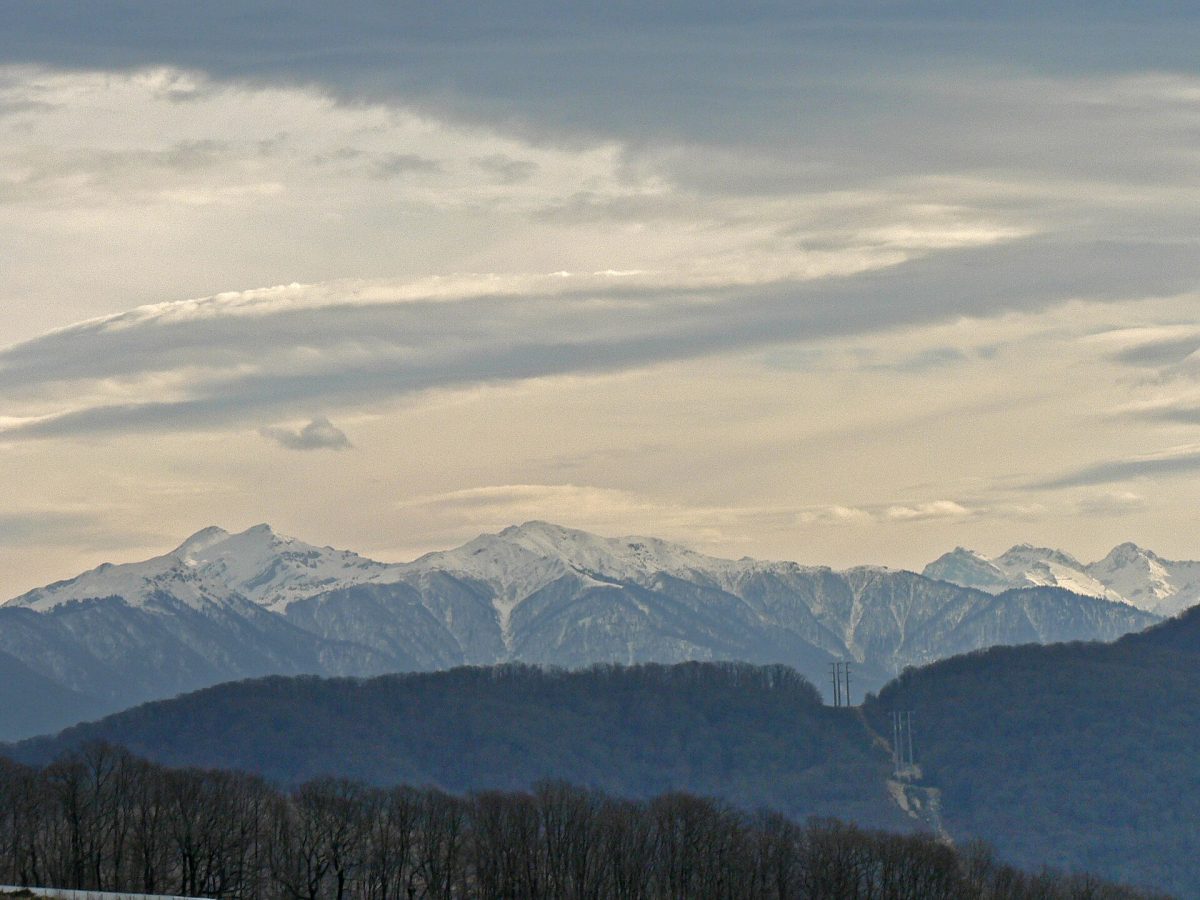
The Caucasian Mineral Waters region is not only a resort for treatment but also a place with unique nature and architecture. In summer, it is pleasant to walk here through parks and resort areas, enjoying the healing air saturated with phytoncides.
Kislovodsk — sunny resort
Kislovodsk is the sunniest city of KavMinVody. Here is the largest resort park in Europe — Kislovodsk National Park with its famous "Valley of Roses" and "Cascade Staircase". The city houses the famous narzan source, and the buvette with healing water is the main place of attraction for guests of the resort.
In Kislovodsk there are many sanatoriums where they treat cardiovascular diseases, nervous system diseases and digestive organs. But even if you do not plan treatment, Kislovodsk is worth visiting for the beautiful architecture: mansions of the XIX century, Lermontov Square, the building of the Main Narzan Baths.
Pyatigorsk — resort city on the slopes of Mashuk
Pyatigorsk is located on the slopes of Mount Mashuk. Here is Proval — a lake with turquoise water inside the mountain, Lermontov's Grotto and the place of the poet's duel. Pyatigorsk is famous for its radon and hydrogen sulfide sources, mud bathhouse and restored buildings in the neoclassical style.
Climb Mount Mashuk — a panorama of the entire Caucasian Mineral Waters region and the Caucasus Range opens from the top. The path up will take about an hour on foot or just a few minutes by cable car.
Golden Ring of Russia: Journey into the Depths of Centuries
For those who prefer not sea but cognitive vacation, a trip along the cities of the Golden Ring of Russia will be an ideal option. In summer, ancient Russian cities are especially good: greenery, blooming gardens, warm evenings conducive to leisurely walks.
Suzdal — museum under the open sky
Suzdal is a unique reserve city where there is practically no modern development. Here you will see the famous Suzdal Kremlin, the Nativity Cathedral with blue domes and monasteries: Pokrovsky, Spaso-Evfimiev and Rizopolozhensky. On the Kamenka River, you can take a boat ride, enjoying the views of the church domes and wooden houses.
In summer, the famous Cucumber Holiday takes place in Suzdal — a folklore festival that gathers tourists from all over Russia. Suzdal cuisine is a separate topic for conversation: dishes are served here according to ancient recipes, including Suzdal mead and kalachi.
Vladimir — ancient capital of Rus
Vladimir is one of the oldest cities in Russia. It was the capital of the Vladimir-Suzdal principality. The main attractions of Vladimir are the Assumption and Dmitrievsky Cathedrals of the XII century, Golden Gates, crystal and old life museums. In summer, concerts and festivals are held in Vladimir Central Park.
Vladimir Opolye is a unique landscape where endless fields alternate with birch groves and ancient temples. This place is ideal for cycling and picnics in nature.
Yaroslavl and Kostroma
Yaroslavl is a city included in the UNESCO World Heritage List. Its historical center with the Spaso-Preobrazhensky Monastery and the Church of Elijah the Prophet is a masterpiece of ancient Russian architecture. Kostroma is famous for the Ipatiev Monastery and the Museum of Wooden Architecture under the open sky. It is in Kostroma that you can see the famous fire tower and Trading Rows of the XIX century.
In Yaroslavl, be sure to try Yaroslavl gingerbread and local fish — Yaroslavl cuisine is known for its traditions. In Kostroma, famous Kostroma cheese and linen products are produced.
Saint Petersburg: Cultural Capital in Summer
Summer in Saint Petersburg is the time of white nights, drawbridges and endless cultural events. Unlike many cities, Saint Petersburg is not a beach resort, but its architecture, museums and atmosphere attract millions of tourists every year.
June is the time of the famous "Scarlet Sails" festival, when a brig with scarlet sails sails along the Neva accompanied by a grandiose fireworks display. During the same period, the International Economic Forum and many theater premieres take place.
In summer, you can visit Peterhof with its famous fountains, Tsarskoye Selo with the Catherine Palace and the Amber Room, Pavlovsk and Gatchina. In the city itself, be sure to walk along Nevsky Prospekt, visit the Hermitage, Russian Museum, St. Isaac's Cathedral and Savior on Blood.
Vasileostrovsky district deserves special attention — the Spit of Vasilievsky Island with rostral columns opens a classic view of the Neva and Peter and Paul Fortress. In the evening, be sure to take a boat trip along the rivers and canals of the city — this is the best way to see Saint Petersburg from the water.
The temperature in summer in the city on the Neva stays at +20–25 °C, which makes it comfortable for excursion vacation. In June-July there is almost no heat here, which is especially valuable for those who do not like exhausting heat.
Kazan: Capital of Tatarstan
Kazan is one of the most dynamically developing cities in Russia. This is a place where Europe and Asia, Orthodoxy and Islam meet. The Kazan Kremlin, included in the UNESCO list, is the main attraction of the city. Inside the Kremlin are the Kul-Sharif Mosque, the Annunciation Cathedral and the Syuyumbike Tower.
In summer, Kazan offers many entertainments: walks along the pedestrian Bauman street, visiting the "Riviera" water park, inspecting the "Chasha" — the building of the Ministry of Agriculture with a giant tree on the roof. Be sure to try Tatar cuisine: echpochmak, chak-chak, beshbarmak, kystyby. Kazan has many national cuisine restaurants where dishes are served according to old recipes.
It is especially pleasant to visit the Kazan Zoo, Gorkinsko-Ometievsky Forest and the water area of the Kazanka River in summer, where you can ride sups and catamarans. The city has excellent infrastructure: modern hotels, restaurants with a view of the Kremlin, transport accessibility.
Baikal: Legendary Lake
Lake Baikal is one of the most amazing places on the planet. This is the deepest lake in the world, containing 20% of world fresh water reserves. In summer, Baikal reveals itself in all its glory: transparent water, framed by taiga and mountains, warm bays and unique nature.
The main base for visiting Baikal is Irkutsk. From the city to the lake you can get in an hour by car. The best place to get acquainted with Baikal is the village of Listvyanka, located directly on the shore at the source of the Angara. Here is the Baikal Limnological Museum, nerpinarium and the famous Shaman-stone.
On Olkhon Island — the largest island of Baikal — is the village of Khuzhir with the famous Shamanka rock. Olkhon is considered the heart of Baikal, here are ancient Buddhist shrines and breathtaking landscapes. Maloe More is the warmest bay of Baikal, where water warms up to +20 °C. Here are excellent sandy beaches, and the water is so transparent that the bottom is visible at a depth of several meters.
In summer on Baikal, you can go hiking — hundreds of kilometers of routes are laid along the lake. The Great Baikal Trail is also popular — a route running along the coast and opening incredible views. Seals live on the Baikal shores — freshwater seals that can be seen in their natural environment.
The Circum-Baikal Railway makes a special impression — an old narrow-gauge railway laid along the rocky shore. A train trip gives an opportunity to see the most picturesque corners of Baikal inaccessible to cars.
Altai: Greatness of Mountains and Purest Rivers
Mountain Altai is one of the most beautiful places in Russia. In summer, pleasant weather prevails here: during the day +25–30 °C, nights are cool. The main treasures of Altai are Teletskoye Lake, Katun, Belukha mountain peaks and ancient burial mounds.
Teletskoye Lake is one of the largest and deepest lakes in Russia. It is surrounded by taiga and mountain ranges. Here you can fish, boat, swim — the water in the bays warms up to +20 °C. On the shore of the lake is the Altai Reserve — one of the richest places in Russia in terms of biodiversity.
The Katun River is a symbol of Altai. Its turquoise water is familiar to everyone who has seen photographs of Mountain Altai. In summer, they raft and catamaran on the Katun — this is one of the best routes for water tourism. Campings, tourist bases and guest houses are located on the banks of the Katun.
Mount Belukha is the highest peak of Siberia (4509 meters). Many legends are associated with it. Hiking routes to Belukha pass through Akkem Lake and glaciers, routes are available for tourists with good physical preparation. But even just seeing Belukha from afar is an unforgettable impression.
Unique natural objects are located on the Chuysky Tract, the main road of Altai: Geysernoye Lake with bright turquoise water, Martian steppes — red and yellow rock formations, and a huge number of burial mounds and petroglyphs of ancient nomadic peoples. Ukok Plateau is a UNESCO World Heritage Site where mummified remains of the Ukok Princess were found.
Altai is also a center of spiritual tourism. Many travelers come here for meditation, yoga and practices in nature. Traditional Altai cuisine is dishes of meat and milk: beshbarmak, kumis, chegen. And famous Altai honey is considered one of the best in the world.
Kaliningrad Region: European Style on the Baltic
Kaliningrad is the westernmost region of Russia, former part of East Prussia. In summer, it is comfortable here: the temperature rarely rises above +25 °C, a fresh wind blows from the Baltic Sea.
Kaliningrad is a city with unique architecture: here you can see the Gothic Cathedral on Kant Island, Fish Village, fortification structures of the XIX century. Be sure to visit the Museum of the World Ocean — one of the largest in Russia, where research vessels and deep-sea apparatus are exhibited.
Resort towns Svetlogorsk and Zelenogradsk are located on the coast of the Baltic Sea. Svetlogorsk is famous for its sanatoriums and beautiful promenade, Zelenogradsk — cozy streets and excellent beaches. The main natural attraction of the region is the Curonian Spit, a national park included in the UNESCO list. This is a unique sand spit 98 kilometers long with dunes, pine forests and lakes. Here is the famous Dancing Forest, where pine trunks bend in whimsical patterns.
Kaliningrad cuisine is a special pleasure. Dishes of Baltic fish are served here: smoked eel, trout, cod. In Svetlogorsk and Zelenogradsk there are many restaurants with sea views where you can try local delicacies. Also in the region cheeses are produced — according to technologies coming from East Prussia.
Kaliningrad is worth visiting at least for the train — the daily "Lastochka" flight from Moscow delivers passengers to Kaliningrad station in 18 hours. This itself becomes an adventure, because the train passes through two countries — Belarus and Lithuania.
Primorye and Vladivostok: Far East of Russia
The Far East is a special world. Vladivostok is a port city, the end point of the Trans-Siberian Railway. In summer, the seafood season starts here: crabs, scallops, trepangs, sea urchins — all this can be tried in local restaurants at very affordable prices.
Vladivostok has a unique relief: the city stands on hills, like San Francisco. The Russian Bridge — one of the largest cable-stayed bridges in the world — connects the mainland with Russian Island, where the Primorsky Oceanarium with huge aquariums is located. Sopka Orlinoye Gnezdo is the highest point of the city, from where the best view of the Golden Horn Bay opens.
On weekends from Vladivostok you can go to the Gamov Peninsula, where some of the best beaches of Primorye are located — wild, with golden sand and the purest sea. Lovers of tent vacations and diving come here. Various marine inhabitants live in the sea off the coast of Primorye: octopus, squid, Kamchatka crab, and Ussuri tigers and Himalayan bears live in the coastal forests.
In the vicinity of Vladivostok is the national park "Land of the Leopard", where the rarest Far Eastern leopard lives. This is one of the most protected natural territories in Russia. Thanks to the efforts of ecologists, the leopard population in Primorye is gradually recovering.
Conclusion
Russia is a country with incredible diversity of natural and cultural landscapes. In summer, you can find vacation for every taste here: from beach idleness on the Black Sea coast to extreme hikes in the mountains of Altai and on Baikal. Choose a direction to your liking, plan a trip and discover new corners of our huge country for yourself. In Russia, everyone will find what they are looking for: both a lover of beach vacations, and a fan of cultural tourism, and a passionate traveler chasing new impressions.
In whatever region you find yourself, remember: the main thing in a journey is new impressions and emotions. Let your summer be bright and unforgettable!
Karelia and Russian North: Land of Lakes and Ancient Monasteries
If you are tired of the heat and crowded resorts, Karelia will become a real discovery. This northern region of Russia is known for its countless lakes — there are more than 60 thousand of them here. Karelian forests, granite rocks and the purest water bodies create a unique landscape that you will not find anywhere else in the world.
Kizhi — masterpiece of wooden architecture
Kizhi Island on Lake Onega is a UNESCO World Heritage Site. Here is the famous Kizhi Pogost with a twenty-two-domed Transfiguration Church built without a single nail. This amazing structure of the XVIII century still amazes the imagination with its beauty and craftsmanship. In summer on the island you can visit the museum of wooden architecture, where old houses, chapels and farm buildings from all over Karelia are collected. You can get to Kizhi on "Meteor" from Petrozavodsk — the road takes about an hour and a half and is itself an exciting journey on Lake Onega.
Valaam — island monastery on Ladoga
Valaam Archipelago on Lake Ladoga is one of the most spiritual places in Russia. Here is the Spaso-Preobrazhensky Valaam Monastery, founded in the X century. In summer, white night stands on Valaam, and the nature of the island is a unique combination of northern flora and southern plants planted by monks. A tour of Valaam includes visiting sketes, Gethsemane Garden and Nikon Bay. The water in Ladoga even in summer remains cool — about +15–18 °C, but this does not stop lovers of northern exotics.
Solovetsky Islands — History and Nature
Solovetsky Archipelago in the White Sea is known primarily for the Solovetsky Monastery, founded in the XV century. This is a place with the richest history: from a medieval monastery to a notoriously known special purpose camp in Soviet times. Now Solovki is a museum-reserve where you can see unique architectural monuments, ancient stone labyrinths and harsh northern nature. In summer, polar day stands on Solovki — the sun almost does not go beyond the horizon, creating an amazing atmosphere. The White Sea in summer warms up to +12–15 °C, but daredevils still swim. Ecological trails are laid on Solovki leading to holy sources, ancient seids — cult structures of the Saami, and picturesque bays. You can get to Solovki by plane from Arkhangelsk or by steamship from Kem. A trip to Solovki is a real adventure that will be remembered for a lifetime.
Conclusion
Russia is a country with incredible diversity of natural and cultural landscapes. In summer, you can find vacation for every taste here: from beach idleness on the Black Sea coast to extreme hikes in the mountains of Altai and on Baikal, from immersion in the history of the Golden Ring to northern exotics of Karelia and Solovki. Choose a direction to your liking, plan a trip and discover new corners of our huge country for yourself. In Russia, everyone will find what they are looking for: both a lover of beach vacations, and a fan of cultural tourism, and a passionate traveler chasing new impressions. Do not be afraid to discover new places for yourself — our country keeps many more secrets and discoveries waiting for their time.


