Markotkh Ridge
Overview
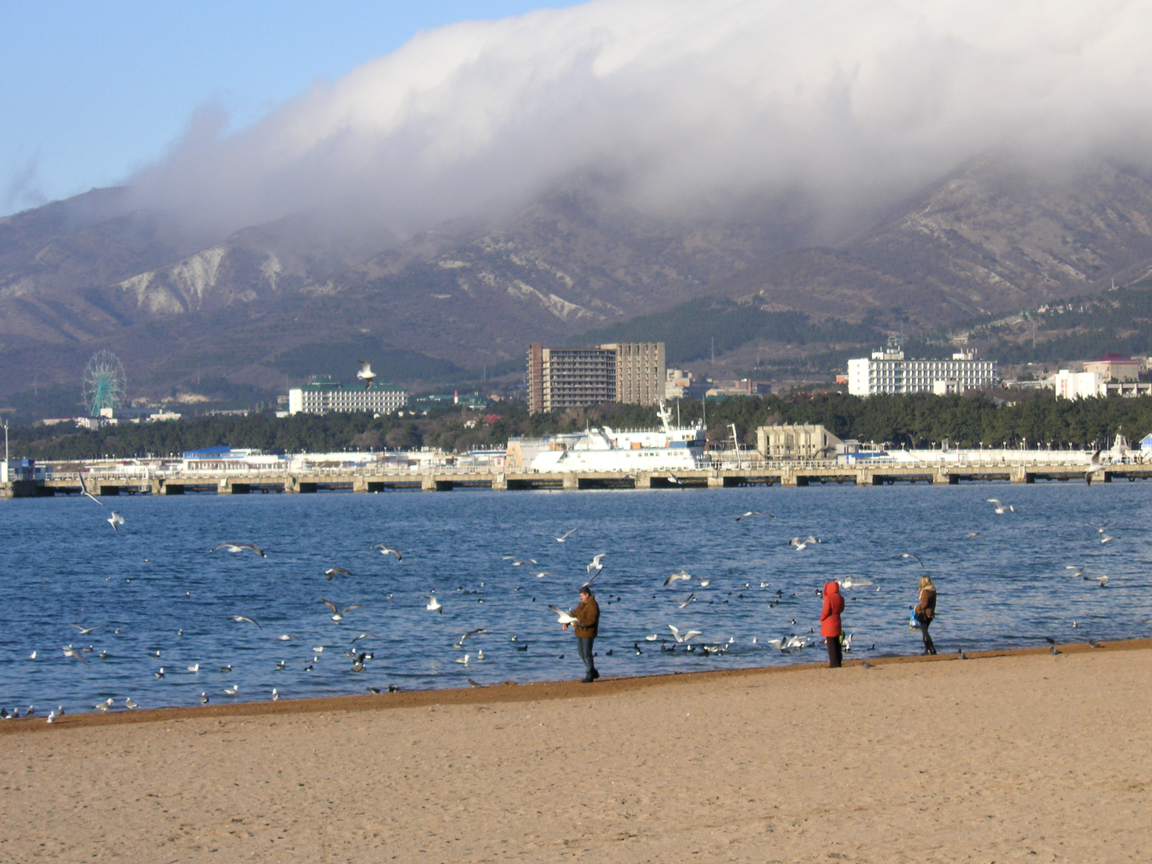
The Markotkh Ridge is one of the most recognizable natural landmarks on the Caucasus Black Sea coast. Stretching along the shoreline between Novorossiysk and Gelendzhik, it forms the landscape many travelers remember from the road to the resorts of Krasnodar Krai: steep slopes, dry rocky terrain covered with juniper, and sudden panoramic views of bays and the open sea. Although the ridge is often mentioned only briefly in travel guides, it largely defines the character of this stretch of coastline — its climate, vegetation, scenery, and even its sense of scale and openness.
The name “Markotkh” comes from the Adyghe language and is usually translated as “blackberry ridge” or “rich in blackberries.” Historically, these mountains were associated with shepherd trails, pastures, and forests filled with wild shrubs. Today, most visitors see the ridge from a car window or from Gelendzhik’s waterfront, but climbing higher quickly transforms the familiar resort scenery into something entirely different.
By Caucasus standards, the elevations here are relatively modest. The best-known peaks rise to around 700–800 meters above sea level, yet because of the proximity to the sea, even these heights feel dramatic. The slopes fall sharply toward the coast, and the summits offer sweeping views of Tsemess Bay, Gelendzhik Bay, and the endless line of the Black Sea. On clear days, especially early in the morning or after strong winds, the horizon appears almost transparent.
The Markotkh Ridge is considered part of the Western Caucasus system. Geologically, it is an ancient area formed mainly of limestone and marl, which explains the abundance of scree slopes, pale cliffs, and dry rocky terrain. After rain, the stones dry quickly, and in summer the landscape takes on an almost Mediterranean appearance. Combined with pine trees and juniper, the scenery can resemble parts of the Balkans or northern Turkey.
The climate on the ridge differs noticeably from the coast below. Even during the hottest months, temperatures are usually cooler higher up, while the wind feels much stronger. In winter, snow and ice are common here even when the coastline remains mild and above freezing. These differences in elevation and air currents shape the local weather patterns. Novorossiysk, for example, is famous for the powerful northeastern bora wind, which forms when cold mountain air rushes toward the sea. During strong bora events, temperatures drop sharply and wind gusts can become extremely intense.
The vegetation of the Markotkh Ridge is unusual for Russia. Its slopes are home to relic juniper woodlands, oak groves, hornbeam, and pistachio trees. Shadier areas still preserve patches of forest, while the dry open slopes are covered with grasses and shrubs more typical of sub-Mediterranean regions. Spring is especially beautiful here: flowering grasses blanket the hillsides, the air carries the scent of warm pine needles and sea salt, and the trails become particularly popular with hikers.
The local wildlife is also diverse. Foxes, hares, and many bird species, including birds of prey, can be seen in the area. Buzzards and other raptors often circle above the cliffs, riding the rising air currents. The dry climate also supports many reptiles, though most are harmless and avoid people.
One of the most famous spots on the Markotkh Ridge is located above Gelendzhik, where a cable car climbs to observation decks and recreational areas near the summit. Many visitors come here for the panoramic view over the bay. From above, Gelendzhik looks entirely different: a long curved waterfront lined with white buildings, green hillsides, and the sea stretching to the horizon. The evening hours are particularly impressive, when the sun sinks behind the water and the city gradually lights up.
Yet the true character of the Markotkh Ridge reveals itself farther away from the popular viewpoints, along dirt roads and old mountain paths. Here there are fewer people, more silence, and a greater sense of space. Some trails follow the crest itself, where both the sea and the inland regions of Krasnodar Krai can be seen at the same time. In good weather, it is possible to walk for hours with only gentle changes in elevation, watching the landscape shift from forested areas to dry rocky slopes and back again to pine-covered hills.
These places also have a rich history. The Black Sea coast has long been a crossroads of trade routes and cultural influence. In antiquity, Greek colonies existed here, and later the region fell within the spheres of Byzantium, the Ottoman Empire, and the Russian Empire. Mountain ridges played an important role as natural defensive barriers and observation points. During the Caucasian War of the 19th century, these areas held strategic importance, and later the surroundings of Novorossiysk became the site of fierce battles during World War II.
The Markotkh Ridge is also surrounded by local legends. As in many mountain regions, stories are told about hidden trails, vanished settlements, and mysterious caves. Many of these tales were passed down orally and gradually blended with real historical events. For local residents, the ridge has long become more than just a geographical feature — it is an essential part of the landscape, visible from almost anywhere along the coast.
Today, the ridge is popular with outdoor enthusiasts. Hiking routes cross the mountains, cyclists train here, and people come for trail running and weekend trekking. Some sections are accessible even to inexperienced travelers, although the summer heat and lack of water should not be underestimated. Shade is limited in many places, and the sun on the open slopes can be intense.
The best seasons for walking are spring and early autumn. In April and May, nature looks especially fresh, while temperatures remain comfortable for long hikes. In autumn, the air becomes clearer, the summer haze disappears, and the sea views feel particularly vivid. Summer trails are still accessible, but midday heat on exposed sections can make walking difficult.
Photographers value the Markotkh Ridge for its striking combination of sea and mountain landscapes. Sunrises are often accompanied by soft diffused light and mist in the lowlands, while sunsets paint the cliffs and dry grass in warm golden tones. After rain, the air becomes so clear that visibility feels almost unreal for a coastal region.
Despite the popularity of the nearby resorts, the ridge itself still retains a sense of wilderness. It takes only a short walk away from the busy viewpoints to find yourself among nearly deserted slopes where the only sounds are wind and insects. This contrast is rare for a resort destination: just a few kilometers from crowded waterfronts begins a landscape where nature remains the main attraction.
The Markotkh Ridge is not known for grand architectural landmarks or vibrant urban life. Its value lies elsewhere — in the landscape, the air, the feeling of open space, and the constant presence of the sea somewhere below. For some, it is simply the backdrop to a Black Sea vacation; for others, it is one of the most beautiful natural regions in southern Russia.
Those who climb here even once usually remember not specific routes or summit names, but the atmosphere itself: hot stone beneath their feet, the scent of juniper, the wind coming from the sea, and the broad horizon stretching far beyond the visible coastline. These details together form the image of the Markotkh Ridge — a place where the southern nature of the Black Sea coast feels especially vivid and almost tangible.
Show more
The name “Markotkh” comes from the Adyghe language and is usually translated as “blackberry ridge” or “rich in blackberries.” Historically, these mountains were associated with shepherd trails, pastures, and forests filled with wild shrubs. Today, most visitors see the ridge from a car window or from Gelendzhik’s waterfront, but climbing higher quickly transforms the familiar resort scenery into something entirely different.
By Caucasus standards, the elevations here are relatively modest. The best-known peaks rise to around 700–800 meters above sea level, yet because of the proximity to the sea, even these heights feel dramatic. The slopes fall sharply toward the coast, and the summits offer sweeping views of Tsemess Bay, Gelendzhik Bay, and the endless line of the Black Sea. On clear days, especially early in the morning or after strong winds, the horizon appears almost transparent.
The Markotkh Ridge is considered part of the Western Caucasus system. Geologically, it is an ancient area formed mainly of limestone and marl, which explains the abundance of scree slopes, pale cliffs, and dry rocky terrain. After rain, the stones dry quickly, and in summer the landscape takes on an almost Mediterranean appearance. Combined with pine trees and juniper, the scenery can resemble parts of the Balkans or northern Turkey.
The climate on the ridge differs noticeably from the coast below. Even during the hottest months, temperatures are usually cooler higher up, while the wind feels much stronger. In winter, snow and ice are common here even when the coastline remains mild and above freezing. These differences in elevation and air currents shape the local weather patterns. Novorossiysk, for example, is famous for the powerful northeastern bora wind, which forms when cold mountain air rushes toward the sea. During strong bora events, temperatures drop sharply and wind gusts can become extremely intense.
The vegetation of the Markotkh Ridge is unusual for Russia. Its slopes are home to relic juniper woodlands, oak groves, hornbeam, and pistachio trees. Shadier areas still preserve patches of forest, while the dry open slopes are covered with grasses and shrubs more typical of sub-Mediterranean regions. Spring is especially beautiful here: flowering grasses blanket the hillsides, the air carries the scent of warm pine needles and sea salt, and the trails become particularly popular with hikers.
The local wildlife is also diverse. Foxes, hares, and many bird species, including birds of prey, can be seen in the area. Buzzards and other raptors often circle above the cliffs, riding the rising air currents. The dry climate also supports many reptiles, though most are harmless and avoid people.
One of the most famous spots on the Markotkh Ridge is located above Gelendzhik, where a cable car climbs to observation decks and recreational areas near the summit. Many visitors come here for the panoramic view over the bay. From above, Gelendzhik looks entirely different: a long curved waterfront lined with white buildings, green hillsides, and the sea stretching to the horizon. The evening hours are particularly impressive, when the sun sinks behind the water and the city gradually lights up.
Yet the true character of the Markotkh Ridge reveals itself farther away from the popular viewpoints, along dirt roads and old mountain paths. Here there are fewer people, more silence, and a greater sense of space. Some trails follow the crest itself, where both the sea and the inland regions of Krasnodar Krai can be seen at the same time. In good weather, it is possible to walk for hours with only gentle changes in elevation, watching the landscape shift from forested areas to dry rocky slopes and back again to pine-covered hills.
These places also have a rich history. The Black Sea coast has long been a crossroads of trade routes and cultural influence. In antiquity, Greek colonies existed here, and later the region fell within the spheres of Byzantium, the Ottoman Empire, and the Russian Empire. Mountain ridges played an important role as natural defensive barriers and observation points. During the Caucasian War of the 19th century, these areas held strategic importance, and later the surroundings of Novorossiysk became the site of fierce battles during World War II.
The Markotkh Ridge is also surrounded by local legends. As in many mountain regions, stories are told about hidden trails, vanished settlements, and mysterious caves. Many of these tales were passed down orally and gradually blended with real historical events. For local residents, the ridge has long become more than just a geographical feature — it is an essential part of the landscape, visible from almost anywhere along the coast.
Today, the ridge is popular with outdoor enthusiasts. Hiking routes cross the mountains, cyclists train here, and people come for trail running and weekend trekking. Some sections are accessible even to inexperienced travelers, although the summer heat and lack of water should not be underestimated. Shade is limited in many places, and the sun on the open slopes can be intense.
The best seasons for walking are spring and early autumn. In April and May, nature looks especially fresh, while temperatures remain comfortable for long hikes. In autumn, the air becomes clearer, the summer haze disappears, and the sea views feel particularly vivid. Summer trails are still accessible, but midday heat on exposed sections can make walking difficult.
Photographers value the Markotkh Ridge for its striking combination of sea and mountain landscapes. Sunrises are often accompanied by soft diffused light and mist in the lowlands, while sunsets paint the cliffs and dry grass in warm golden tones. After rain, the air becomes so clear that visibility feels almost unreal for a coastal region.
Despite the popularity of the nearby resorts, the ridge itself still retains a sense of wilderness. It takes only a short walk away from the busy viewpoints to find yourself among nearly deserted slopes where the only sounds are wind and insects. This contrast is rare for a resort destination: just a few kilometers from crowded waterfronts begins a landscape where nature remains the main attraction.
The Markotkh Ridge is not known for grand architectural landmarks or vibrant urban life. Its value lies elsewhere — in the landscape, the air, the feeling of open space, and the constant presence of the sea somewhere below. For some, it is simply the backdrop to a Black Sea vacation; for others, it is one of the most beautiful natural regions in southern Russia.
Those who climb here even once usually remember not specific routes or summit names, but the atmosphere itself: hot stone beneath their feet, the scent of juniper, the wind coming from the sea, and the broad horizon stretching far beyond the visible coastline. These details together form the image of the Markotkh Ridge — a place where the southern nature of the Black Sea coast feels especially vivid and almost tangible.
Russian