What to Book in Advance and What to Leave for On-Site

Photo: Марианна, CC BY-SA 3.0
There are two ways to ruin a trip. The first is not to book what gets snapped up a month in advance and spend the day in a queue. The second is to schedule everything by the hour and discover that it's raining, your legs are buzzing, and the six o'clock ticket is wasted.
The difference between these two lists is not in the price or the fame of the place, but in how many people physically fit inside per day.
Must Book in Advance
Anything with a strict daily quota. Anne Frank House in Amsterdam sells tickets six weeks in advance, and there are none on-site at all. The Borghese Gallery in Rome admits by session for two hours. Vatican Museums without booking means a three-hour queue — this is not an exaggeration, but a typical Tuesday in July.
Anywhere that admits small groups. Underground routes, caves, mines, the Baroque Theatre in Cesky Krumlov, catacombs. It's not about demand there, but capacity: more than twenty people won't fit inside physically.
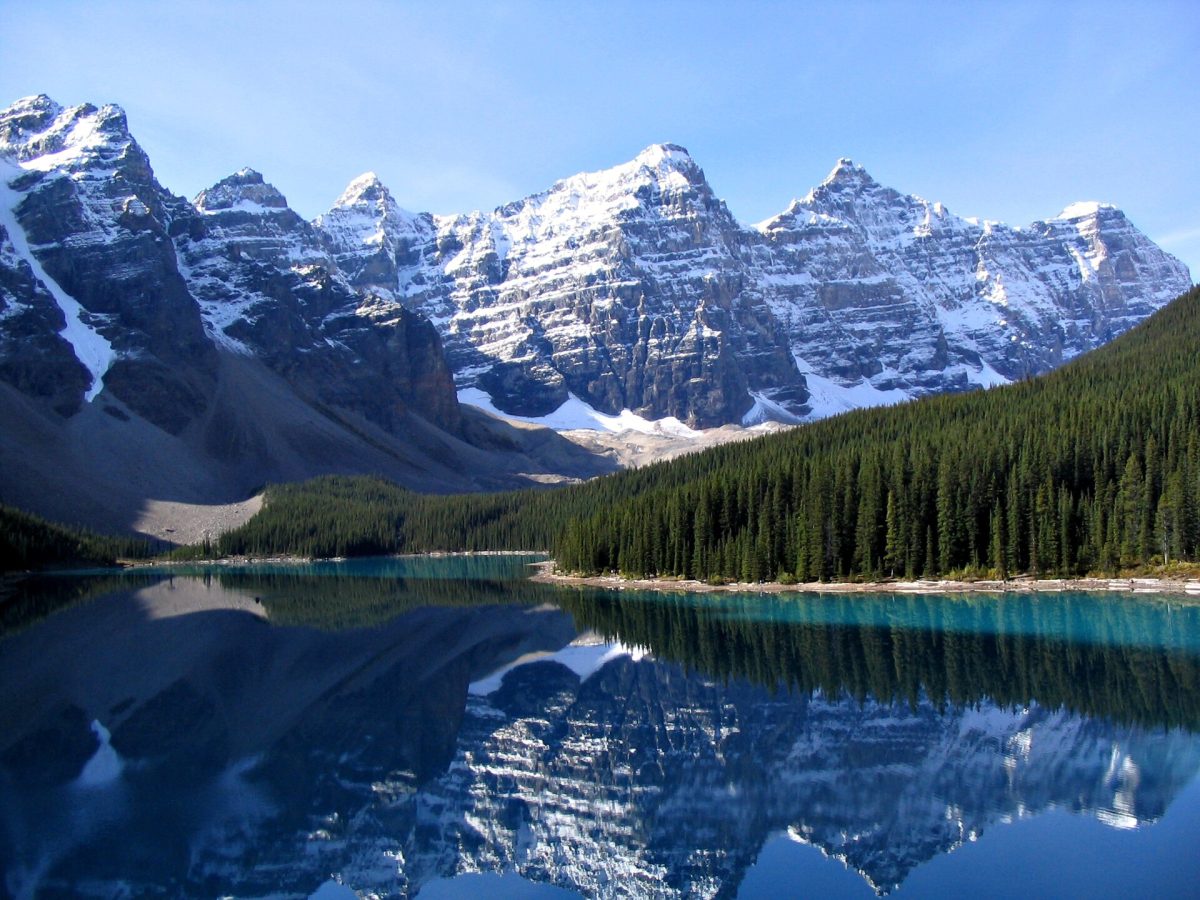
Transport that runs infrequently. Ferry to an island, train on a mountain road, shuttle to a national park. At Moraine Lake in Canada, private cars are banned altogether — only shuttle, and seats on it are snapped up months in advance.
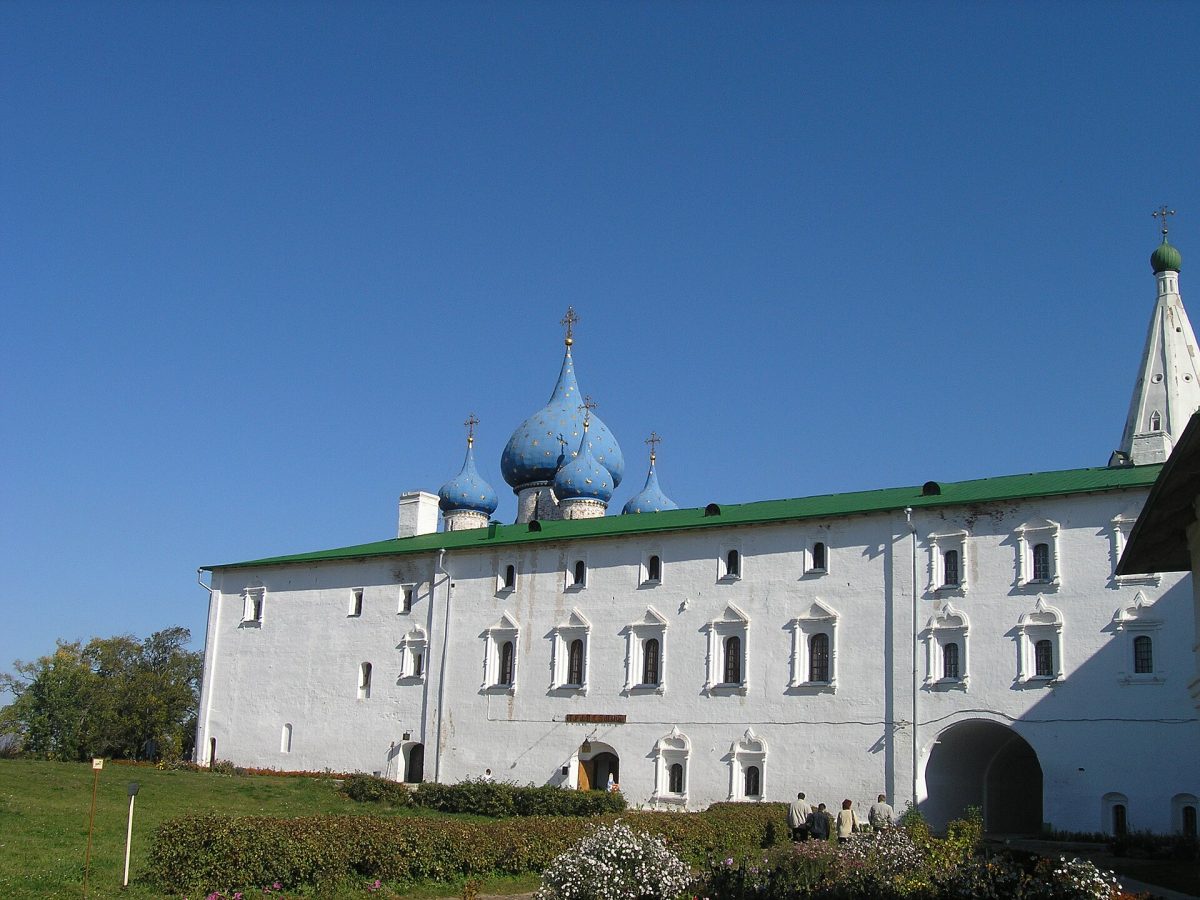
Accommodation during holidays and high season. This is obvious, but the provinces are underestimated: in Suzdal during May holidays, rooms run out earlier than in St. Petersburg.
Can Be Done On-Site
Large open-air spaces. Parks, embankments, kremlins like Kolomenskoye, fortress walls, markets. There is no queue because there is no bottleneck.
Churches and cathedrals. Entry is almost everywhere free; you usually pay only for climbing the tower or to the treasury, and this is taken at the entrance.
Second-tier city museums. Local history museums, house-museums, galleries outside the top ten. They rarely have a queue even in season, but Monday is often closed — this is worth checking.
What to Check Instead of Booking
Closing day. Monday and Tuesday are typical days off for museums, and arriving for two days, hitting both, is quite real.
Mid-day break. Churches in Italy and Spain close for two to three hours, and this breaks a plan more reliably than any queue.
Seasonality. Fountains at Peterhof do not work in winter. Cable cars stop in the wind. Waterfalls dry up at the end of summer.
About a Rigid Plan
A reasonable proportion is to book one or two places a day, leaving the rest free. A day scheduled by the hour from breakfast to dinner does not withstand the first delay, and then a person does not see the city, but chases the schedule.
You can check what is near what and how much walking is between them on any place's page: under the description, a day around it is suggested — nearest points in order of visit, with distance and time. Time is calculated by real roads, and where they are not in the directory, the step is signed separately.


