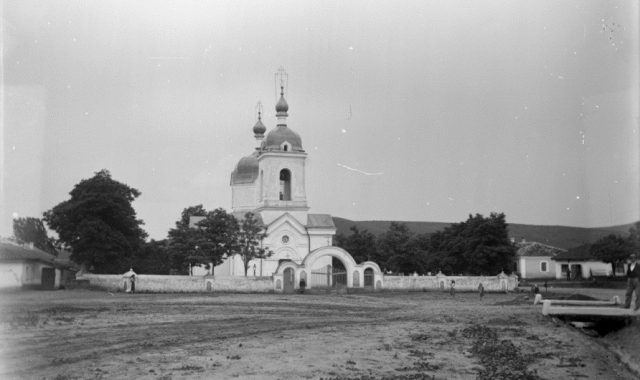
Zuya is one of those quiet Crimean settlements where time moves at its own unhurried pace. The local history museum fits right in. It sits in the village center, away from crowds and grand halls, making its collection feel personal. Here, every photograph, document, and artifact tells the story of this corner of the peninsula—its people, their traditions, and the changes that shaped their lives.
The museum is housed in a building that has stood through much of that history. Built in the early 1900s, it was once a zemstvo school before becoming an administrative office. The architecture is simple—thick walls, high ceilings, and large windows that let in plenty of light. By the 1990s, the building had fallen into disrepair, but restoration work brought it back. Now, its quiet courtyard, with benches under the trees, is a good place to sit and think about what you’ve seen.
The museum does a good job of showing the natural landscape around Zuya. Crimea’s terrain is diverse, and this area is no different. The exhibits include minerals from nearby mountains, pressed plants from local meadows, and taxidermied animals native to the region. One standout is the section on the area’s caves and karst formations, particularly the Krasnaya Cave, one of Crimea’s longest. The museum doesn’t go deep into science, but it shows how people have lived with this environment—hunting, farming, and exploring its hidden places.
The human history here is just as layered. Zuya and its villages weren’t isolated; they were shaped by the cultures that passed through. The museum holds artifacts from archaeological digs—pottery, tools, and jewelry left by the Tauri, Scythians, Goths, Greeks, and Armenians. But the most striking displays are those about the Crimean Tatars, who were the majority here until the mid-20th century. You’ll see traditional embroidery, household items, and clothing, along with photographs of mosques and madrasas that no longer exist. These aren’t just relics; they’re pieces of a life that was suddenly upended.
The 20th century brought big changes to Zuya. The museum covers the Civil War, collectivization, and World War II with documents, letters from the front, and photographs of those who lived through it. There are also everyday objects from the Soviet era—old newspapers, school notebooks, and farm tools—that show what daily life was like. One of the most moving sections is about the 1944 deportation of the Crimean Tatars. The exhibits here aren’t just historical records; they’re personal stories of loss and survival.
The museum also looks at life in Zuya today. Displays on local crafts, agriculture, and education show how the village is changing. You’ll learn about the challenges it faces, the traditions that remain, and those that are disappearing. Lately, there’s been a revival of interest in folk crafts—pottery, traditional instrument-making—and the museum sometimes hosts exhibitions by local artisans. It’s a way to keep these skills alive and tie them to the region’s broader story.
What makes the Zuya Historical and Local Lore Museum worth visiting? It’s not flashy. There are no pushy guides, just a quiet chance to engage with the past. You can take your time with a photograph, flip through an old book, or sit in the courtyard. The museum doesn’t try to impress with size or grandeur. Its strength is in its honesty—preserving the memories of real people who lived here, not as distant figures, but as neighbors, workers, and storytellers of this small Crimean village.