Zuya
Russia · 8 places
Photo: trio128, CC BY-SA 3.0
Zuya
Most travelers speed past Zuya on their way to Crimea’s better-known spots. The town sits in the foothills, vineyards clinging to gentle slopes between patches of forest. In summer, the air smells of dry grass and ripe fruit; in winter, it’s milder than the southern coast but warmer than the steppe.
Zuya started as a village in the late 1700s, after Crimea joined the Russian Empire. Retired soldiers, peasants, and Greek refugees settled here. By the Soviet era, it had become a small industrial hub. In the 1990s, it officially became a town—but it still feels like a village. Low-rise houses line narrow streets, and in the evenings, locals gather in the central square. The only traces of history are a 19th-century mosque and the crumbling German fortifications from World War II on the outskirts.
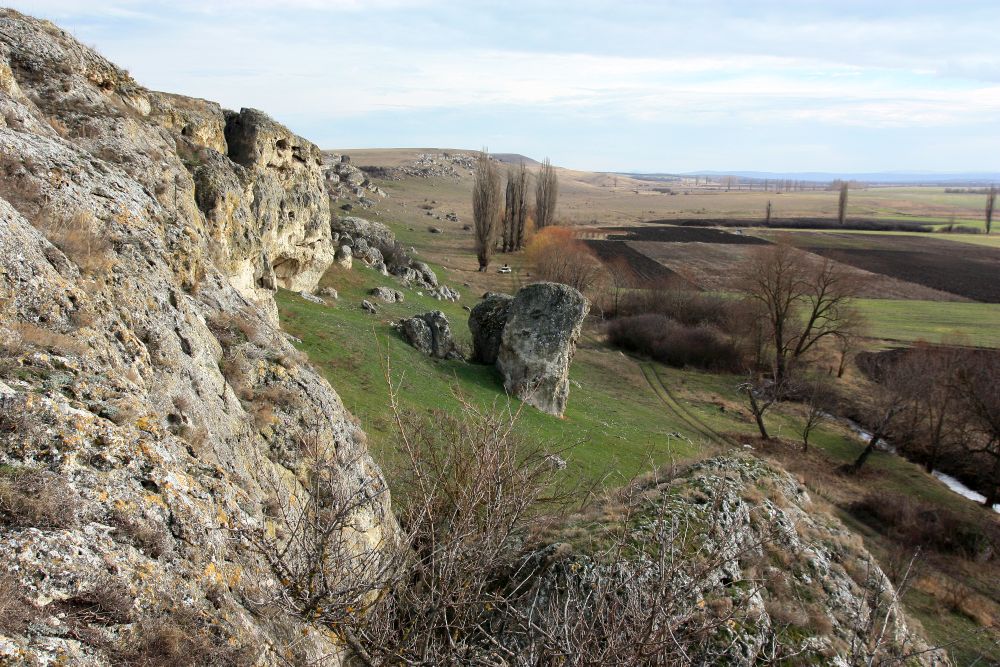
The real reason to come here is the landscape. Rolling valleys, low mountains, and quiet trails wind through forests and past hidden springs. In autumn, wild apple and pear trees turn the hillsides gold. The Zuya River, though narrow, is deep and clear—rocky banks, small waterfalls, and in summer, cool swimming spots. In winter, it freezes, and fishermen line the shores. If you prefer movement, there are cycling routes and horseback trails. Some nearby villages still keep horses, and a ride through the countryside feels like slipping into the past.
Mornings start at the market, where farmers sell fresh vegetables, honey, and whatever fruit is in season. By midday, small cafés serve dumplings, fried pastries, and eggplant spreads—simple, filling food. Evenings belong to the square, where music sometimes drifts from a speaker or groups gather for barbecues. The locals won’t bother you, but if you ask for directions, they’ll point you the right way. There are no hotels here, just private rooms or small guesthouses. If you’ve ever wanted to stay in a real Crimean home, this is where you’ll find it.
Zuya won’t give you luxury or endless entertainment. It’s for travelers who want to leave the noise behind, breathe clean air, and see a side of Crimea that’s disappearing elsewhere. No crowds, no rush, no tourist traps—just quiet streets, open land, and the feeling that time moves differently here.
See & Do
All of them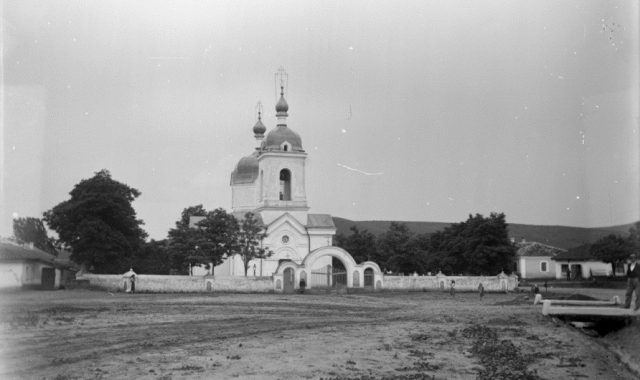
Places on the map
Marker colour follows the categoryClimate and weather
Detailed weather: Zuya- Average temperature
- 13 °C
- Precipitation per year
- 526 mm
- Sunshine hours per day
- 7.4 h
Average air temperature
°C
2
3
6
11
16
21
24
24
19
13
8
4
Jan
Feb
Mar
Apr
May
Jun
Jul
Aug
Sep
Oct
Nov
Dec


