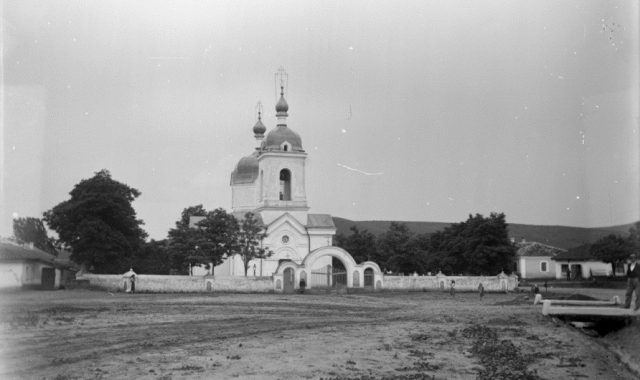
Zuya’s House of Culture is one of those quiet places that quietly become the heart of a small town. It stands at the intersection of quiet streets where time moves slowly, and neighbors still greet each other as they pass. For locals, it’s more than just a building—it’s a gathering spot where concerts, rehearsals, community events, and festivals bring people together. From the outside, it looks unassuming, but that’s often where the real spirit of provincial Russia lives.
The history of this place goes back to the Soviet era, when such cultural centers were built across the country as hubs of social life. Zuya’s House of Culture emerged at a time when culture wasn’t seen as a luxury but as an essential part of everyday existence. Back then, it hosted lectures, film screenings, dance nights, and meetings with interesting guests. Many residents still remember coming here as children for New Year’s parties or watching movies in the small hall with its wooden chairs. Times have changed, but the House of Culture remains a place where people meet, share news, and simply spend time together.
The architecture is typical of its time—simple, functional, with little ornamentation. The facade is painted in light colors, and large windows let in plenty of natural light. Inside, a spacious lobby leads to the main hall, a library, and rooms for clubs and workshops. The furniture and decor have likely been updated over the years, but the layout remains the same. There’s no grandeur here, just a quiet comfort that comes not from design but from the people who have been coming here for decades.
Today, the House of Culture still serves its purpose, though in a different world. Children and adults attend workshops—dance, crafts, music—while local musicians rehearse in small rooms. On weekends, the hall often transforms into a stage for concerts or plays. Sometimes, it hosts fairs or exhibitions of local crafts, where people browse, chat, and maybe pick up a souvenir. For many in Zuya, this is a place to escape daily worries, catch up with old friends, or make new ones.
What makes such places special is that they don’t rely on big events or tourist appeal. They thrive on steady, unglamorous work, with a regular crowd who know the staff by name and consider it their own. The real value of Zuya’s House of Culture isn’t in trying to be something it’s not—it’s just a place where people come to sing, dance, learn, or simply sit together.
In an age where culture is often treated as a commodity and leisure as something to consume, these cultural centers offer a different approach. Here, it doesn’t matter how successful or wealthy you are—what matters is being part of the community. That’s why even those who’ve long since moved to big cities feel a sense of nostalgia for such places. They hold the memory of a slower, simpler way of life, where people enjoy each other’s company without chasing trends or status.
Of course, like many similar institutions, Zuya’s House of Culture faces challenges. Funding isn’t always stable, and younger generations may not be as drawn to traditional forms of leisure. But it adapts—hosting modern workshops, inviting young artists, and experimenting with new formats. The important thing is that it hasn’t lost its essence: culture here isn’t for the elite, but for everyone.
If you ever find yourself in Zuya, stop by. You might not see anything extraordinary—just an ordinary hall, ordinary people, ordinary activities. But that’s where the charm lies. Here, you can feel the rhythm of small-town life, understand what matters to its residents, and maybe even become part of the story for a little while. After all, places like this exist not to be photographed, but to be lived in.