Taiping Zoo feels like a quiet secret tucked away in the northern reaches of Malaysia. Unlike the country’s more famous attractions, it doesn’t announce itself with fanfare or crowds. Instead, it sits unassumingly on the edge of a small town, where the pace of life slows just enough to notice the details—the rustle of leaves, the distant call of a bird, the way sunlight filters through the canopy. The zoo has been here for decades, evolving alongside Taiping itself, from a modest collection of animals into something closer to a living patch of wilderness amid the urban sprawl.
The history of the zoo is woven into the story of Taiping, a town that once thrived on tin mining before settling into a quieter existence. When the zoo first opened in the mid-20th century, conservation was still a new idea in Malaysia. Back then, it was little more than a makeshift sanctuary, a place where animals were kept more for curiosity than for any grand purpose. Over time, it grew, both in size and in ambition, but it never lost that early sense of simplicity. There are no grand statements here, no attempts to impress with scale or spectacle. Instead, the focus has always been on the animals and their well-being, even if that means the experience feels more understated than what you’d find in larger zoos.
The design of the zoo reflects this philosophy. There are no flashy structures or elaborate exhibits—just practical, unobtrusive enclosures that blend into the landscape. Many of the habitats are built with the animals’ needs in mind, not the visitors’. Wide, open spaces for larger mammals are bordered by dense vegetation, giving the illusion of untamed nature. Some of the older wooden buildings still stand, their weathered surfaces hinting at the zoo’s long history. They might not be modern, but they add a sense of authenticity, a reminder that this place has been here for generations.
The animal collection isn’t vast, but it’s thoughtfully curated. The emphasis is on local species—orangutans, Malayan tigers, sun bears, and a variety of monkeys and birds that call this region home. There are a few exotic animals from other parts of the world, but they’re not the main attraction. One of the most interesting sections is the nocturnal house, where dim lighting lets you observe creatures that are usually hidden in the dark. The zoo also plays a role in conservation efforts, housing some animals as part of breeding programs for endangered species.
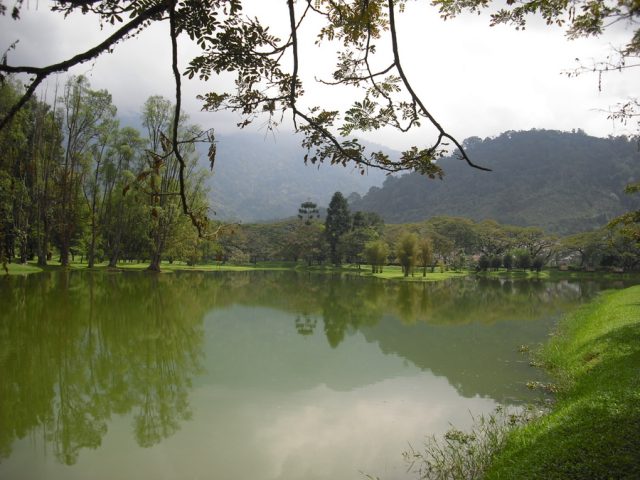
Walking through Taiping Zoo feels less like a typical zoo visit and more like a stroll through a forest park. The paths wind between enclosures, sometimes dipping into cool shade, other times opening up to sunny clearings. The air is thick with humidity, a reminder of the tropics just beyond the trees. There’s a sense of calm here, partly because the zoo isn’t overrun with visitors, and partly because the animals seem at ease in their surroundings. You won’t find scheduled feedings or animal shows—just the quiet rhythm of creatures going about their day.
This isn’t a place for those seeking excitement or Instagram-worthy moments. There are no dramatic performances or interactive exhibits, just the chance to watch animals in a setting that feels as natural as possible. Orangutans swing lazily from branches, birds flit between trees, and sun bears amble through their enclosures. There’s something almost meditative about it—the opportunity to slow down and observe without the usual distractions.
For locals, the zoo is a familiar part of life. Families come on weekends, school groups visit for field trips, and older residents often walk the paths in the early morning. There’s no sense of artificiality here, no pressure to perform or entertain. Even the staff move quietly, letting the animals take center stage. It’s the kind of place where you can spend an hour or an afternoon without feeling rushed, where the only agenda is to be present.
Like many zoos around the world, Taiping Zoo faces challenges—limited funding, the need for upgrades, and ongoing debates about animal welfare. Yet it endures, not as a major tourist destination, but as a small but meaningful part of Taiping’s identity. Perhaps its greatest strength is its lack of pretension. It doesn’t try to be anything more than what it is: a refuge for animals and a quiet retreat for those who visit.
A trip to Taiping Zoo isn’t about ticking off a must-see attraction. It’s about stepping into a different rhythm, one where there’s no need to hurry or fill the silence. You can wander the paths, listen to the sounds of the forest, and watch the animals without any particular goal in mind. In a world that often feels too fast, that kind of simplicity can be its own kind of escape.