The Zambia Railway Museum in Livingstone is one of those rare places where history isn’t just displayed—it’s still alive, lingering in the scent of oil and aged wood, in the layers of rust and the quiet dignity of machines that once roared across the continent. Housed in what was once a bustling railway depot, the museum occupies a space where locomotives once arrived from South Africa, where copper and coal were loaded onto freight cars, and where passengers embarked on journeys that connected Zambia to the wider world. There are no polished exhibits or interactive screens here, just the raw, unfiltered presence of the past: steam engines, passenger carriages, and the tools that kept them running. It’s less a museum in the traditional sense and more a repository of stories, told through the wear and tear of metal and the echoes of a time when rail was the lifeblood of a nation.
Livingstone was the natural choice for such a collection. Named after the famed Scottish explorer, the city was long the southern gateway to Zambia, a critical junction in the country’s colonial-era infrastructure. When Zambia was still Northern Rhodesia under British rule, the railway became the backbone of the economy, linking the copper mines of the north to the ports of South Africa. Livingstone thrived as a transit hub, a place where goods and people flowed in and out, shaping the region’s identity. Even after independence in 1964, the railways remained vital, though their dominance gradually waned as roads and air travel expanded. The museum stands as a quiet testament to that era, preserving the physical remnants of a network that once defined movement and connection in southern Africa.
The most striking exhibit is a Class 15 steam locomotive, built in Britain in the 1920s. These engines were part of the ambitious Cape to Cairo Railway project, a grand vision that never fully materialized but left behind hundreds of kilometers of track and a fleet of locomotives that became workhorses of the region. The Class 15 here is a hulking relic, its massive boiler and copper pipes bearing the marks of decades of service. Nearby, passenger carriages from the same era offer a glimpse into travel as it once was—wood-paneled interiors, narrow compartments with fold-down tables, and brass fittings that speak of a time when a train journey was as much about the experience as the destination. These carriages carried colonial officials, traders, and the occasional adventurous traveler, for whom the slow, rhythmic clatter of wheels on tracks was part of the allure.
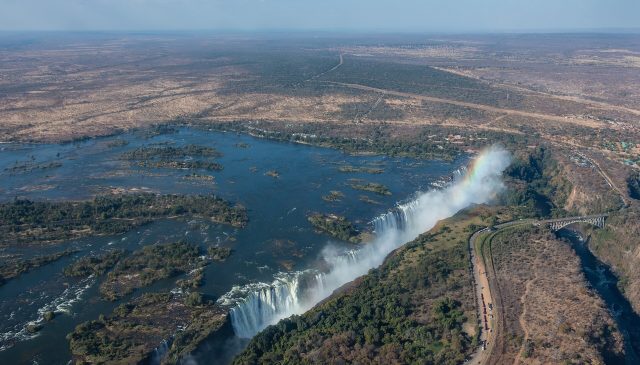
One of the museum’s most compelling sections is dedicated to the Victoria Falls Bridge, an engineering marvel completed in 1905. Stretching over a hundred meters above the Zambezi Gorge, the bridge was a feat of its time, allowing trains to cross seamlessly between Northern Rhodesia and South Africa. The museum displays photographs of its construction, blueprints, and even fragments of the original rails, offering a sense of the scale and ambition of the project. The bridge wasn’t just a structure; it was a symbol of connection, a physical link between two territories that reshaped trade and movement in the region. The artifacts here remind visitors of the human effort behind such endeavors—the laborers, engineers, and visionaries who turned steel and stone into a lifeline.
Beyond the locomotives and technical displays, the museum holds quieter, more personal artifacts: faded timetables, ticket stubs, the tools of railway workers, and the uniforms they wore. There are photographs of the men who kept the trains running—mechanics, signalmen, and engineers who worked in often harsh conditions, ensuring that the network functioned day after day. Their stories are rarely told in history books, but they were the ones who made the railway more than just a mode of transport; they made it a part of Zambia’s social fabric. The museum doesn’t romanticize the past. It shows the wear on the machinery, the shift from steam to diesel, and the eventual decline of rail as newer technologies took over. The exhibits are unvarnished, presenting history as it was—messy, imperfect, and deeply human.
Today, the museum feels like a hidden corner of Livingstone, a place where time moves at its own pace. There are no crowds, no guided tours rushing visitors along. Instead, there’s space to wander, to run a hand over the rusted metal of a locomotive’s wheel, to peer into the cab of a steam engine and imagine the heat and noise of a journey across the savanna. The air is still, broken only by the creak of wooden floors or the distant hum of a modern train passing by—a reminder that while the golden age of rail may have passed, its legacy endures. The museum isn’t a place for spectacle; it’s a place for reflection, where the past isn’t just observed but felt.
For those with an interest in industrial history or colonial Africa, the Zambia Railway Museum is a treasure. But even for casual visitors, it offers something intangible: a sense of connection to a time when travel was slower, when journeys were measured in days rather than hours, and when the railway was more than just a means of getting from one place to another—it was a thread that wove together communities, economies, and cultures. The museum doesn’t need to be flashy or entertaining. Its power lies in its authenticity, in the way it preserves not just the machines of the past, but the stories they carried—the stories of the people who built, maintained, and traveled on them, and the way those stories shaped a nation.