The David Livingstone Memorial in Livingstone is one of those quiet places where history lingers without fanfare. It stands on the banks of the Zambezi, where the explorer’s body was found in 1873, carried by his companions from the African interior to be returned to England. The memorial itself is unassuming—a simple stone pyramid with a plaque, shaded by old trees that seem to remember a time before the city existed, when the river and the wild savanna were all there was. There’s no grandeur here, just a quiet acknowledgment of a man whose name would later define the town around it.
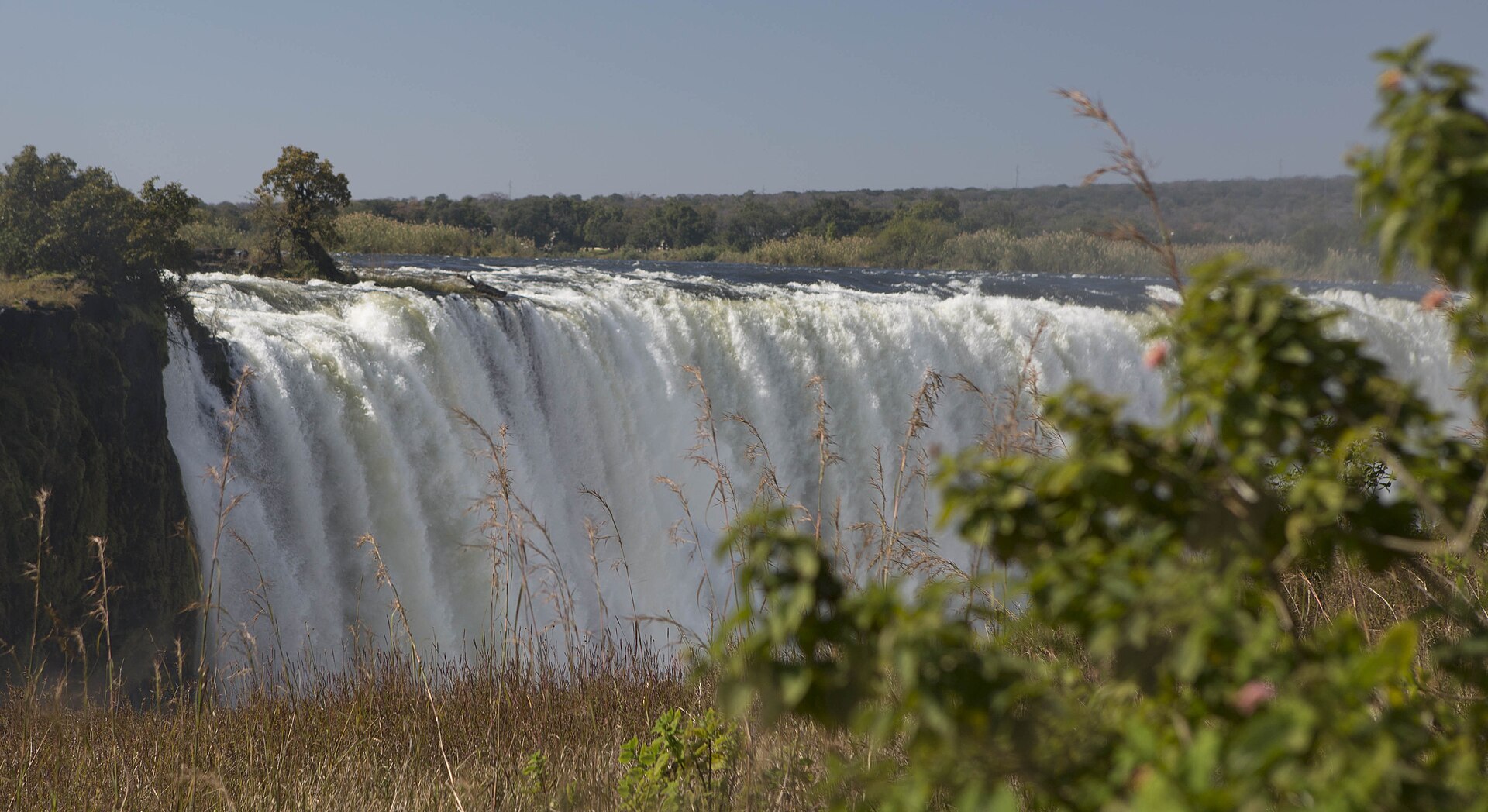
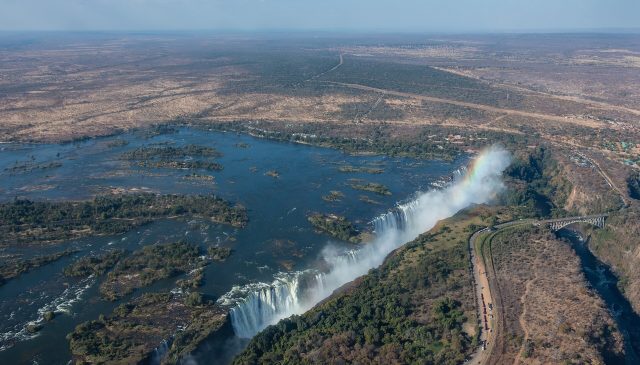
Livingstone was an unusual figure for his time. Unlike many Europeans who came to Africa in the 19th century, he wasn’t driven by conquest or profit. His interests were geography, the people he met, and the idea of opening trade routes that could connect the continent to the wider world without the brutality of the slave trade. He spent over thirty years in Africa, mapping rivers, crossing uncharted lands, and often risking his life in the process. Though he wasn’t the first European to see Victoria Falls, he was the one who made them known beyond Africa, naming them after Queen Victoria. His journals and maps became foundational for later explorers, shaping how the world saw the continent.
The memorial is a short distance from Livingstone’s center, but it feels far removed from the bustle of the town. You can only reach it on foot or by car along a rough dirt road that winds through thickets and small settlements. The area is quiet, the only sounds the rush of the river and the calls of birds. The monument itself looks almost accidental, as if it was placed there without much thought—just a few steps leading up to the stone pyramid, inscribed with Livingstone’s birth and death years and a brief message. Nearby, massive baobabs stand like ancient sentinels, their gnarled trunks and sprawling branches adding to the sense of timelessness. In their shade, it’s easy to imagine what this place must have looked like a century and a half ago, when it was still untamed and empty.
Livingstone, the town, came later, built during the colonial era as a gateway to Victoria Falls, just ten kilometers away. But the memorial is something different—not a tourist attraction, but a place of reflection. There are no crowds, no souvenir stalls, no guides shouting over one another. Occasionally, locals come to pay their respects, or travelers seeking something beyond the falls. Most of the time, though, the spot is empty, and the river flows past as it always has.
The best time to visit is early morning, when the sun is just rising over the Zambezi and the air is cool and crisp. The river looks wider then, its waters dark and mysterious. You might see fishermen in dugout canoes heading out for the day, or hippos moving lazily with the current. In moments like these, it’s not hard to understand why Livingstone loved this place. He wrote about Africa’s beauty, its people, and its landscapes with a sincerity that can feel naive today, but there was no pretense in it. He genuinely believed the continent could change for the better, and that belief earned him a respect that endures.
The memorial doesn’t tell Livingstone’s whole story—that’s what museums and books are for. Instead, it serves as a reminder that behind every great discovery are real people, with their flaws, hopes, and stubbornness. Livingstone wasn’t perfect. He made mistakes, was often obstinate, and didn’t always understand the cultures he encountered. But he was driven by a genuine desire to make the world a better place, and that’s what makes his memory feel alive here. The monument doesn’t try to impress or overwhelm. It simply exists, as the river, the trees, and the sky do.
If you find yourself in Livingstone, don’t stop at the falls. Spend an hour here, sit by the water, listen to its murmur, and think about how much has changed since the last time a man whose name is now known worldwide stood in this very spot. The place asks nothing of you but your attention, and that’s its strength. It’s not for those seeking spectacle, but for those who want to feel the weight of history. And perhaps that’s why it stays with you long after you’ve left.