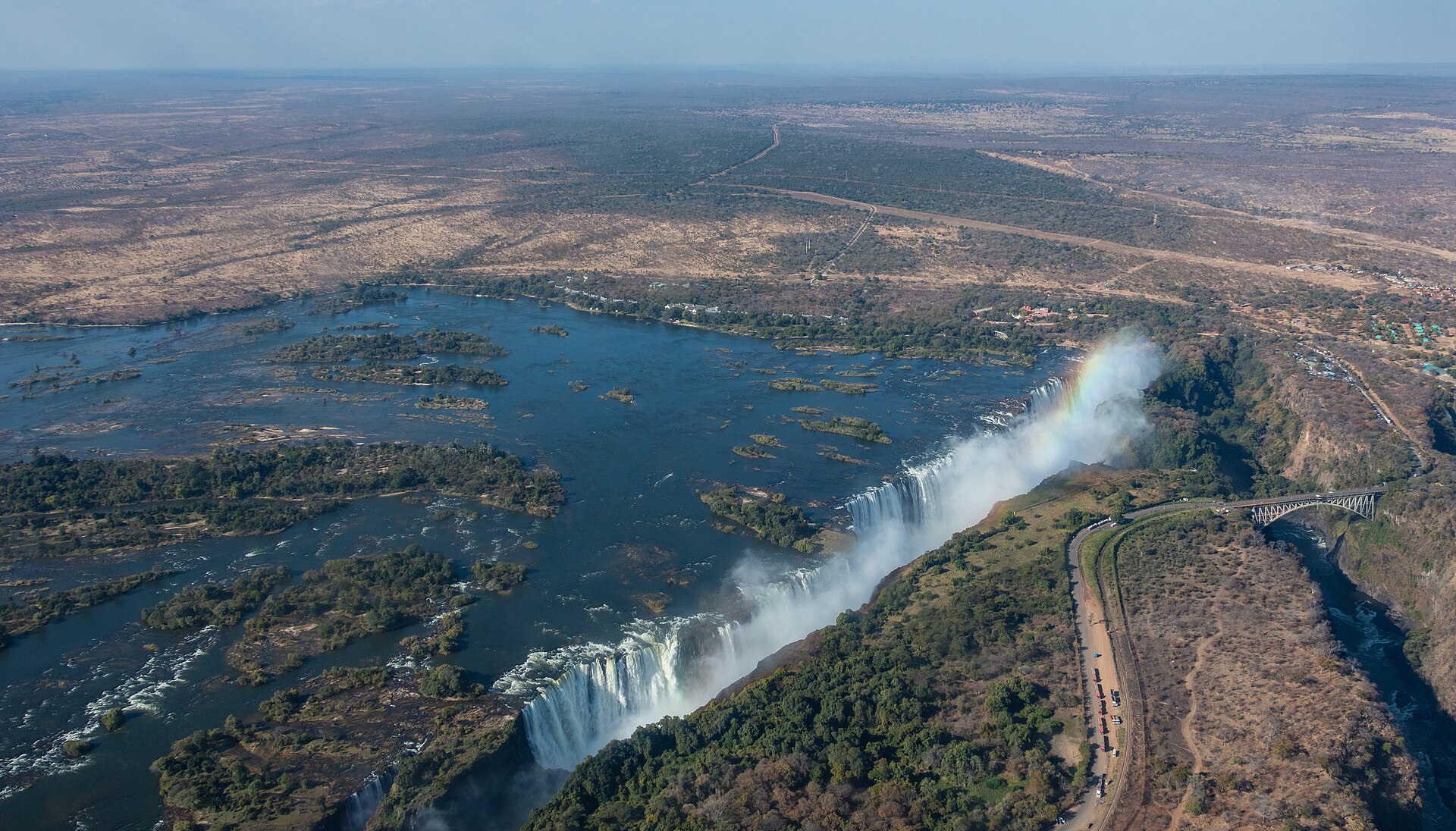
The Zambezi near Livingstone flows wide and unhurried, its waters the color of strong tea, stained by the earth it carries from upstream. The banks shift between soft sand and jagged cliffs, a quiet contrast to the raw power hidden just beyond the town. This is where the river breathes—expanding in the wet season to swallow the forests along its edges, then receding in the dry months to reveal islands where crocodiles bask and hippos wallow in the shallows. It’s the fourth longest river in Africa, cutting through six countries before reaching the Indian Ocean.
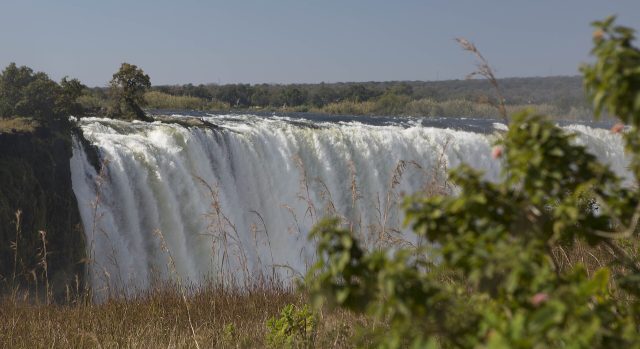
Livingstone sits at the edge of Victoria Falls. Upstream, the water moves with deceptive calm, as if gathering strength for the drop ahead. The town was once the capital of Northern Rhodesia, a colonial outpost where the river marked the boundary between British territory and the independent kingdoms beyond. David Livingstone passed through here, though he never founded the settlement that now bears his name. The history lingers in the way the river has shaped the lives of those who depend on it.
Life on the Zambezi moves to the rhythm of the water.
Fishermen cast nets for tilapia and catfish in the same channels where hippos drift like boulders beneath the surface. In the rainy season, cormorants dive for fish, their wings flashing before they vanish beneath the murky water. At night, the river comes alive with the grunts of hippos and the chorus of frogs—a soundtrack that drowns out everything but the occasional hum of a distant boat engine. By day, the water is a highway for canoes, tour boats, and children splashing in the shallows.
Human presence here is subtle. Wooden docks jut into the water, their planks weathered by sun and rain. Stilted huts cling to the banks, temporary homes for fishermen who follow the river’s moods. When the water is low, camps appear on the exposed sandbars, only to be swept away when the rains return. The only permanent structure is the bridge built in 1905—a steel arch spanning the river between Zambia and Zimbabwe, carrying cars and trains across the divide.
The Zambezi is a living ecosystem. Hippos and crocodiles are the most visible residents, but beneath the surface, tilapia and catfish dart through the reeds. Elephants sometimes wander down to drink, their reflections shimmering in the water. Along the banks, monitor lizards slither through the undergrowth, and African fish eagles circle overhead. During migration season, pelicans and flamingos pass through, adding splashes of color to the sky. At dusk, bats emerge in swarms, their silhouettes flickering against the fading light.
In the early morning, mist clings to the water, blurring the edges of boats and hippos. By midday, the sun burns away the haze, turning the Zambezi into a sheet of liquid gold. As evening falls, the light softens, painting the sky in shades of pink and violet. On the banks, fires flicker to life, and the sound of guitars and drums drifts across the water.
Time here feels different. A single day can stretch into something deeper, something closer to the way life must have been centuries ago.
For visitors, the Zambezi near Livingstone offers none of the polished comforts of a resort town. There are no high-rise hotels or manicured beaches—just the raw presence of the river. You can hire a boat to take you upstream toward Victoria Falls or downstream, where the Zambezi widens into a vast, slow-moving expanse. Or you can sit on the bank and watch: fishermen hauling in their nets, hippos yawning in the sun, birds circling overhead.
The Zambezi is not always gentle. In the rainy season, it swells unpredictably, its currents quickening, its waters rising to claim the land. The locals know better than to underestimate it. Even hippos can be dangerous if provoked. This is a place where nature sets the rules.
To spend time on the Zambezi is to step into a different kind of time. The river doesn’t perform for visitors—it simply flows, shaping the land and the people who live along its banks. You don’t just see the Zambezi. You feel it.