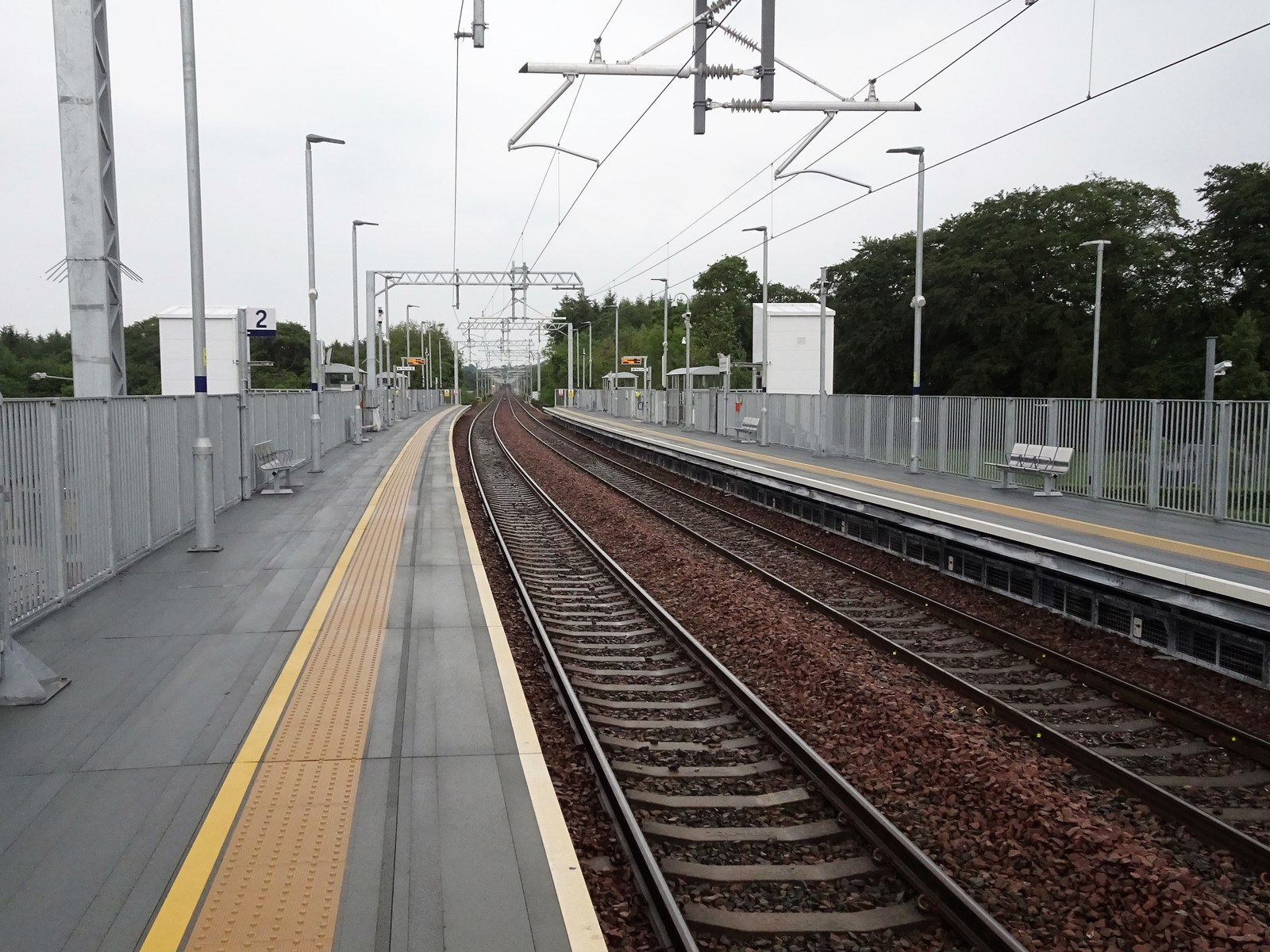
Livingstone Railway Station is one of those places where time seems to slow down, as if the past lingers just beneath the surface. Built in the early 20th century, the station still carries the echoes of the colonial era, when railways were more than just a means of transport—they were symbols of progress, ambition, and the fragile connections between continents. The building itself, with its high ceilings, sturdy wooden doors, and arched windows, feels like a relic of an age when Livingstone was a vital stop on the route from Cape Town to Katanga. Trains once rolled through here, laden with copper, cotton, and passengers—explorers, traders, and adventurers, all passing through on their way to somewhere else.
The station is deeply woven into the history of Zambia and Southern Africa. When the line opened in 1905, it was part of Cecil Rhodes’ grand vision: a railway stretching from Cape Town to Cairo. Though that dream never fully materialized, the section through Livingstone became a lifeline for the region. The town grew around the station, and the station itself became more than just a transport hub—it was a crossroads where lives intersected. People traded, argued, waited for trains, or simply whiled away the hours watching the landscape shift beyond the windows. For decades, it was the pulse of the town, a place where the rhythm of daily life was set by the arrival and departure of trains.
The architecture of the station reflects both practicality and colonial influence. The red brick exterior, punctuated by white decorative details, gives it a solid, enduring presence. Inside, the past is still tangible: old wooden benches, handwritten timetables, and a few original light fixtures remain. The waiting hall, with its high ceilings and ventilation grates, was designed to cope with the African heat, though today it feels more like a quiet nod to history than a necessity. While the station is no longer as busy as it was in its mid-century heyday, it still functions, and the occasional passenger train still rolls through on its way to Lusaka or other destinations.
Today, Livingstone Station feels like an open-air museum, a reminder of how railways transformed the region. Old carriages and locomotives, once part of the famous Rhodesia Railways, are scattered around the grounds. Some have been repurposed into small cafés or shops selling souvenirs, where visitors can sip coffee while surrounded by the ghosts of travel past. The atmosphere is unhurried, almost nostalgic, as if the station exists in its own time, untouched by the rush of the modern world.
For locals, the station is still a part of everyday life. Vendors set up stalls selling fruit and snacks, taxi drivers wait for fares, and people gather to chat or pass the time. Unlike the sleek, efficient stations of today, this one moves at its own pace. Trains don’t always run on schedule—they come and go when they please, adding to the place’s charm. There’s a sense that the station has its own rhythm, one that doesn’t always align with the rest of the town.
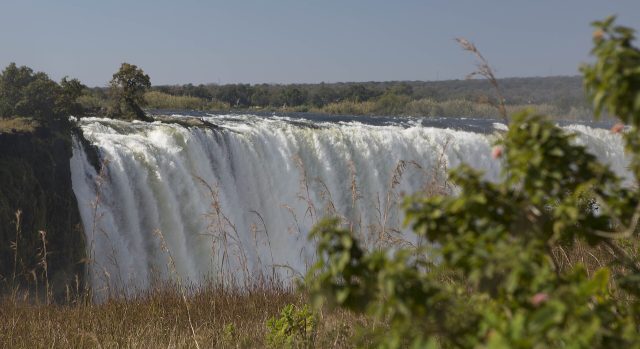
Livingstone Station also serves as a gateway to one of Africa’s most famous natural wonders: Victoria Falls. Just a few kilometers away, the falls have long drawn travelers, and the station was once a key stop for those heading to the national parks and reserves. While its role as a tourist hub has diminished, it still offers a glimpse into the town’s connection to the falls. Visitors can arrange taxis or transfers here, or simply soak in the atmosphere of a place that has always lived in the shadow of something far grander.
There’s a quiet dignity to the station, a sense that it has witnessed history unfold. It stands as a reminder of how railways once promised to unite a continent, and how the world has changed around them. The crowds of the past are gone, but that only makes the station feel more intimate, more real. It’s a place for travelers who appreciate the slow unraveling of time, who want to step into the past even as they move forward.
If you find yourself in Livingstone, the station is worth a visit—not just as a stop on a journey, but as a destination in itself. Spend a few minutes wandering the platforms, sitting on the old benches, or watching the occasional train pull in. It’s a chance to imagine the lives that passed through here, the stories that unfolded within these walls, and the quiet persistence of a place that has outlasted the ambitions of those who built it.