The Livadia Power Station is one of those quiet, unassuming places that carry more history than their modest appearance suggests. Tucked away in a peaceful corner of Livadia, this early 20th-century building stands as a reminder of a time when electricity was still a novelty, transforming the way people lived and reshaping the landscape of resort towns. It was an era when progress arrived in fits and starts, and even something as ordinary as a light switch could feel like a small miracle.
The power station wasn’t built by chance. In the late 19th and early 20th centuries, Livadia became the favored retreat of the Russian imperial family. The grand Livadia Palace, their summer residence, demanded modern comforts, and electricity was high on the list. The station was part of a broader effort to modernize the estate, ensuring that the Romanovs could enjoy the same conveniences they were accustomed to in the capital. At the time, electrification was a luxury few could afford—even in major cities, entire districts remained in the dark. For Livadia, it was a symbol of both technological ambition and imperial privilege.
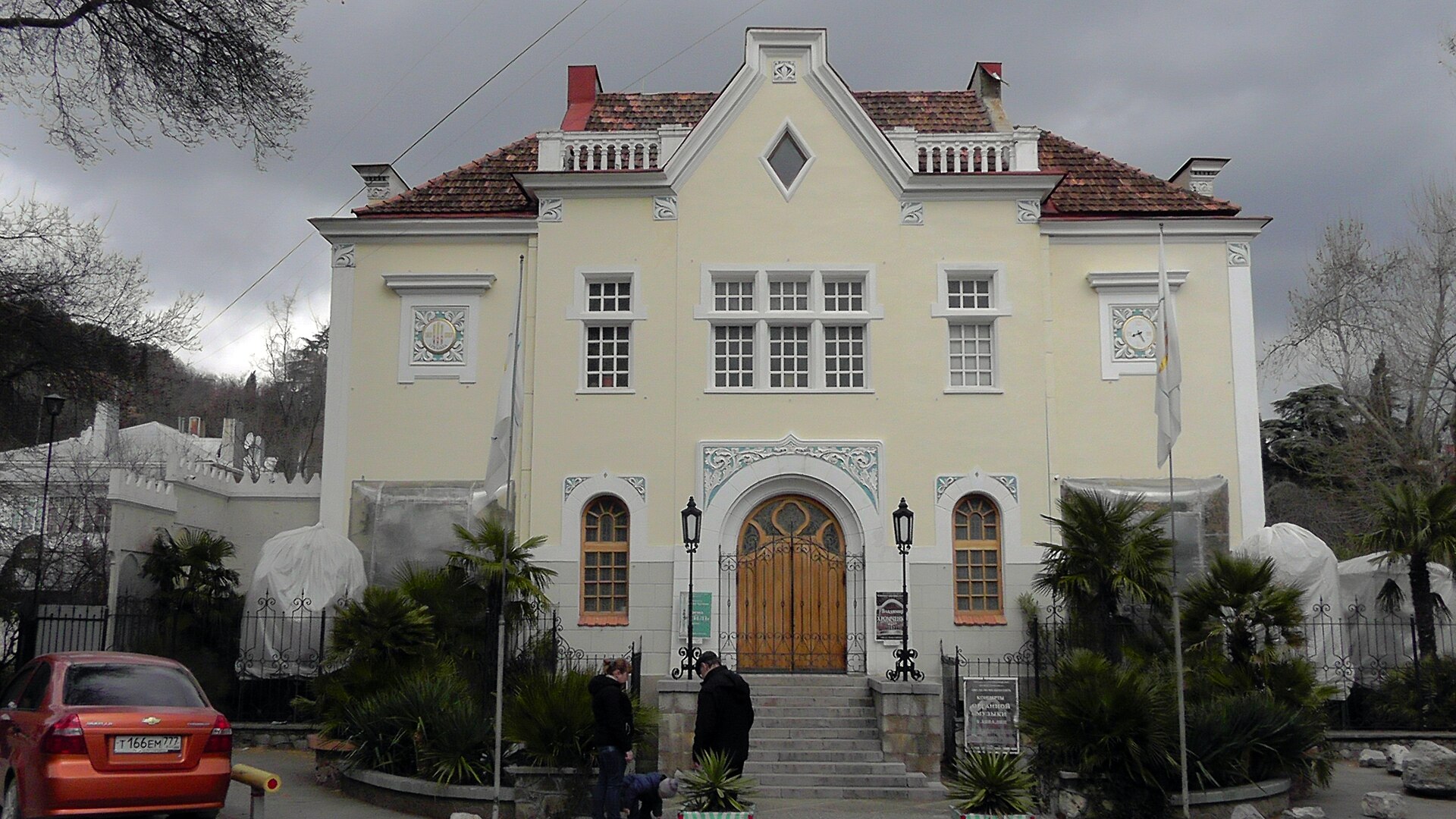
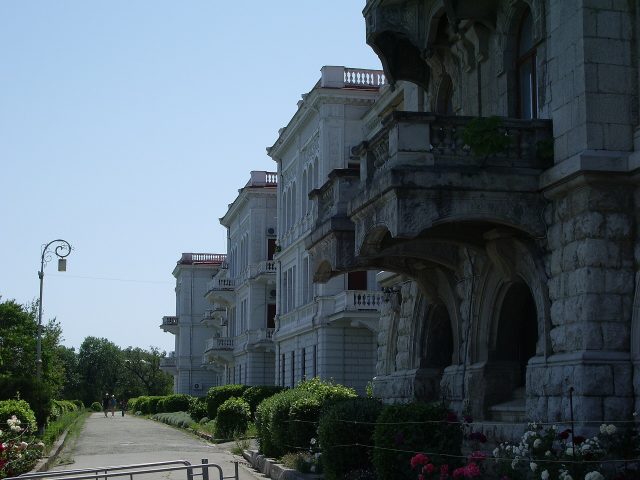
The building itself is simple and practical, reflecting the no-nonsense approach of industrial architecture from that period. A sturdy stone structure with tall windows and heavy doors, it doesn’t aim for elegance, but there’s a certain charm in its straightforward design. It speaks to an era when function often took precedence over form, and beauty could be found in purpose. Inside, the station likely housed steam boilers and generators, supplying power not just to the palace but to surrounding buildings as well. Little remains of the original equipment today, but the building still carries the quiet dignity of early industrial engineering.
History hasn’t been kind to the Livadia Power Station. After the revolution and the upheaval of the Civil War, Livadia lost its status as an imperial retreat, and many of its buildings were repurposed or abandoned. The power station continued to operate for a while, first as part of a sanatorium complex, but eventually, it fell into disuse. Today, it stands empty, its walls still solid but in need of care. Trees grow around it, and the paths leading to it are overgrown, giving the place an air of quiet neglect. There’s something almost poetic about its current state—a relic of a bygone era, slowly being reclaimed by nature.
This isn’t the kind of place that draws crowds. There are no guided tours, no informational plaques, no souvenir stands. But for those who take the time to seek it out, the power station offers something rare: a moment of unfiltered history. You can walk up to the building, study its details, and imagine the hum of machinery that once filled the air, the glow of lights in the palace at night. It’s a place that invites reflection on how quickly the world changes, and how much of what once seemed essential fades into obscurity.
The Livadia Power Station is more than just an example of industrial architecture—it’s a piece of a larger story, one that involves the rise and fall of empires, the march of progress, and the quiet moments that shape history. It stands as a reminder of how technology entered people’s lives, sometimes improving them, sometimes disrupting them. In its walls, you can sense the tension of an era on the brink of transformation, when Russia was stepping into the modern age, and Livadia was more than just a retreat—it was a symbol of power and grandeur.
Today, the station is a silent witness to the past, easily overlooked by those who pass by. But for those who pause to look, it becomes a window into another time. You can almost hear the echoes of the workers who once kept it running, the steady thrum of the generator, the way its light once spilled into the palace halls. There’s a quiet magic in places like this—they don’t demand attention, but they hold onto memories of what was, and what can never be again.
Someday, the power station might find new life. Restoration could return it to its original state, perhaps even integrating it into a museum dedicated to Livadia’s history. But even if that never happens, it will remain an important piece of Crimea’s past, a small but meaningful link to the larger events that shaped the region. For now, it stands as it is—still, unassuming, and just a little mysterious—waiting for those who take the time to notice.