Armyansk is one of those quiet Crimean towns that rarely makes it onto tourist itineraries. Unlike the peninsula’s famous seaside resorts or historic fortresses, it exists at its own unhurried pace, where Soviet-era industry blends with the vast steppe landscape and the rhythms of everyday life. At its center stands the city administration building—a modest structure that, while unremarkable at first glance, reflects the character of Armyansk itself: practical, unpretentious, and quietly significant.
The building occupies a spot on one of the town’s main streets, where life moves without rush. Constructed during the Soviet period, it follows the familiar template of administrative architecture from that era: a three-story rectangle clad in pale stone or plaster, its facade defined by clean lines, large windows, and symmetrical proportions. There’s no ornate detailing—just the straightforward functionality of a structure meant to serve rather than impress. Above the entrance, the town flag usually flutters, while nearby plaques and noticeboards hint at local events and civic life. Trees planted around the building soften its appearance, offering shade in summer and a touch of warmth in winter, a small reminder that even here, in this unassuming place, there’s a sense of home.
Armyansk’s origins trace back to the mid-18th century, when Armenian settlers arrived in the region following the Russo-Turkish wars. For much of its early history, it remained a small settlement, but everything changed in the Soviet era. The town grew into an industrial hub, its identity shaped by factories and infrastructure projects. The administration building emerged during this period of transformation, a symbol of the town’s new status as a proper city with schools, hospitals, and municipal services. It wasn’t built to be grand, but it became a marker of progress—a place where the business of governing a growing community could take place.
Today, the building functions as more than just an office. It’s where residents come to handle paperwork, attend meetings, or voice concerns about local issues. For outsiders, it might not seem like much, but for those who live here, it’s a familiar part of daily life. You’ll often see people hurrying in and out, or pensioners strolling along the nearby paths. Occasionally, the square in front hosts small gatherings—a concert, a market, or a public event—each one a quiet affirmation that the town is very much alive, even if its pulse isn’t as loud as in bigger cities.
The architecture is pure Soviet utilitarianism: no frills, no unnecessary flourishes, just a focus on efficiency. Inside, wide hallways and high ceilings create an airy feel, while large windows let in plenty of light. The layout is designed to keep things running smoothly, with public service offices often located on the ground floor for easy access. Like countless other administrative buildings across the former Soviet Union, this one follows a standard design, but over time, it has become woven into Armyansk’s fabric. It may not stand out, but it fits—just like the town itself.
Armyansk isn’t the kind of place that draws crowds. There are no ancient cathedrals or palaces here, no dramatic landscapes or legendary tales. Instead, its history is tied to industry and labor, to the factories that once provided jobs and purpose. Many of those factories are gone now, but their legacy lingers in the town’s identity. The administration building is one of the few remaining links to that era, a reminder of when Armyansk was a place of production and progress. It doesn’t pretend to be anything more than what it is: a functional space for governance, a backdrop to the lives of those who call this town home.
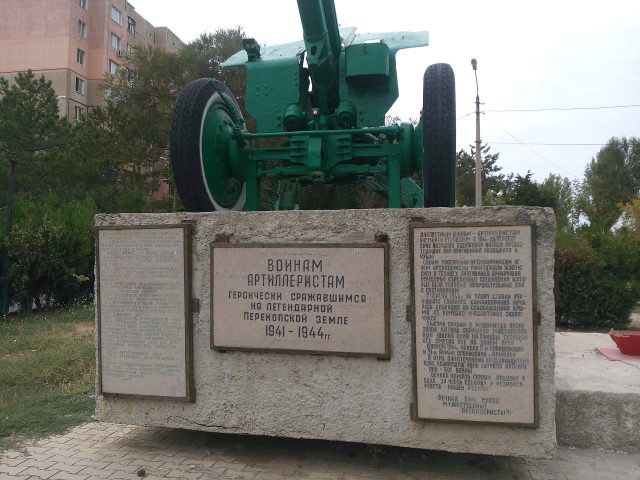
For a traveler passing through, the building might not warrant a second glance. But if you take a moment to look closer, you’ll find small details that tell a bigger story. The memorial plaques on the facade, for instance, honor local figures or commemorate important events. The noticeboards display photos of the town in different eras, capturing moments of change and continuity. Together, these fragments paint a picture of Armyansk as more than just a dot on the map—it’s a place with its own past, its own people, and its own quiet sense of pride.
In winter, the building takes on a stark, almost austere appearance, its surroundings muted by bare trees and overcast skies. But come summer, it feels different. Flowerbeds bloom, benches fill with people, and the occasional evening concert drifts through the air. It’s in these moments that the town’s character reveals itself—not in grand gestures, but in the small, ordinary rhythms of life. The administration building isn’t just an office; it’s a part of that rhythm, a place where the business of the town carries on, whether anyone notices or not.