Saint George the Victorious Church in Armyansk is one of those quiet places that seem to exist outside of time. This small town in northern Crimea, known mostly for its industrial landscape, holds a modest yet meaningful landmark at the crossroads leading toward the Perekop Isthmus. For travelers passing through, the church often comes as a surprise—a gentle presence amid the steppe winds and factory buildings, a reminder that history lingers even in the most unassuming corners.
The story of the church is tied to the Armenian community that settled here in the 19th century, when Armyansk was part of the Taurida Governorate. Armenians arriving from different regions of the Russian Empire brought their traditions, crafts, and faith with them. Built in the early 20th century, the church became both a spiritual center and a symbol of their presence in this land. Like many religious sites, it faced closure during the Soviet era but was later returned to the faithful and restored, preserving its role as a place of worship and memory.
The architecture is simple and unassuming, reflecting the practical style of provincial churches from that period. The white stone building, with its low bell tower and restrained decoration, doesn’t aim for grandeur. Inside, the atmosphere is equally understated—an iconostasis painted in traditional Armenian style, faded frescoes on the walls, and a few old icons. There’s no opulence here, no gilded domes or elaborate carvings, just the quiet dignity of a place where faith has been kept alive through generations.
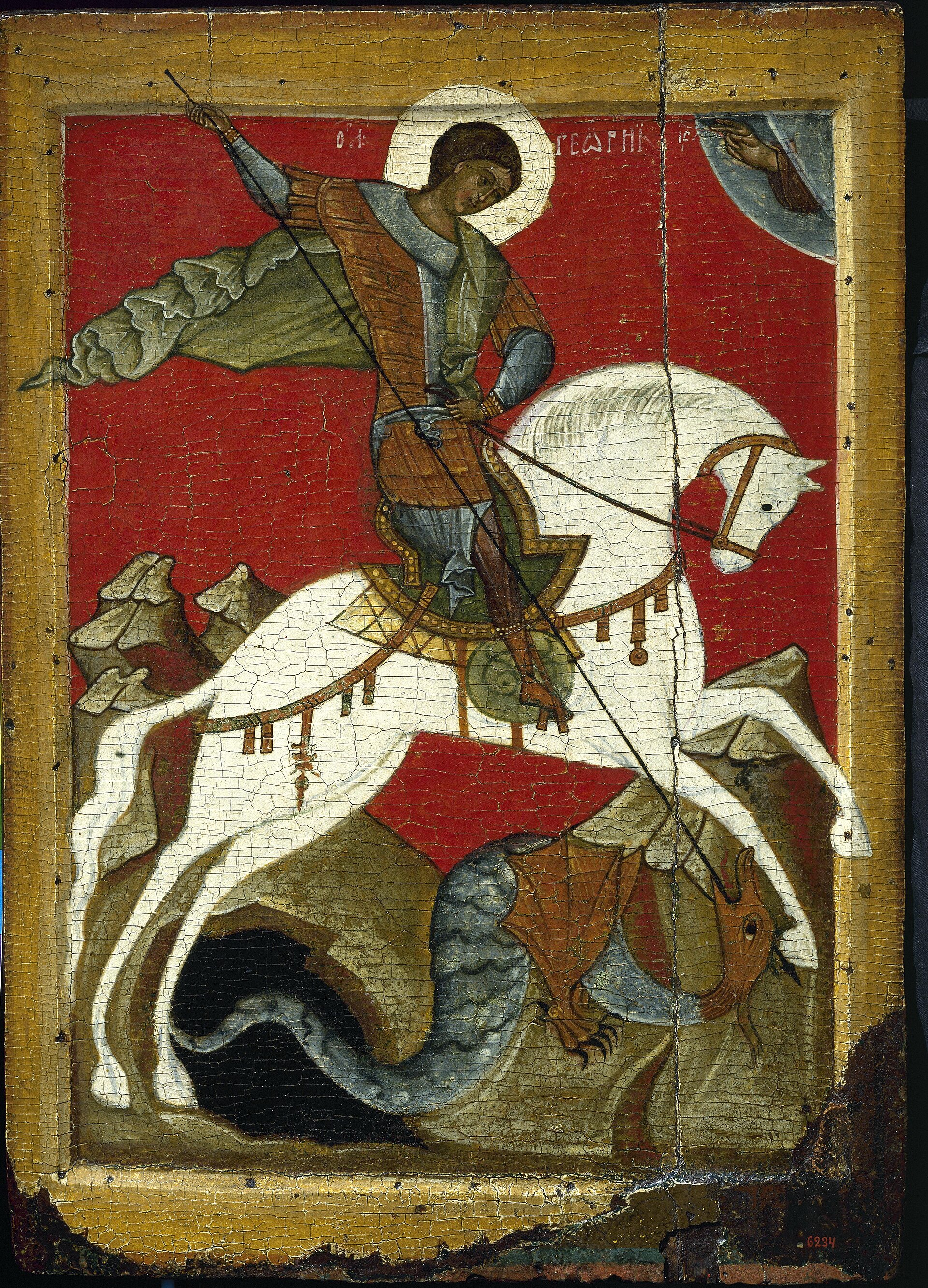
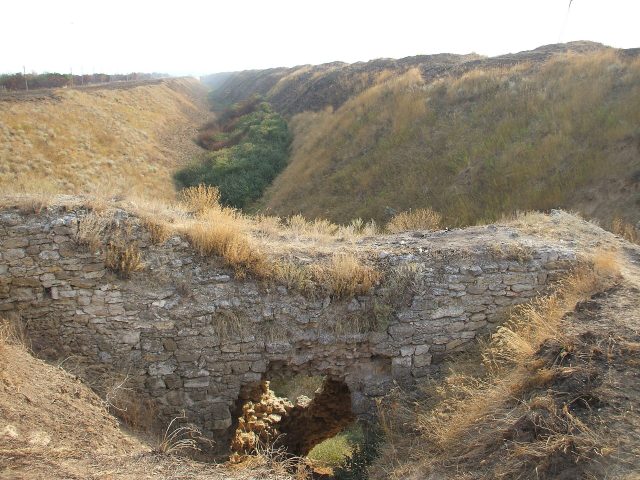
Saint George the Victorious holds a special place in the Armenian Apostolic Church, embodying courage, protection, and justice. This significance feels particularly resonant in Armyansk, a town near the Perekop Isthmus, where battles have raged for centuries. Empires rose and fell, borders shifted, but the church remained, a silent witness to the passage of time. It stands as a reminder that some things endure beyond the conflicts and changes that shape the land around it.
Today, the church is open to anyone who wishes to visit, whether to pray, reflect, or simply take in the surroundings. Inside, the air is still, even when the noise of passing trucks or distant factory hum filters in from outside. Older residents often stop by not just for services but to sit in the quiet, to remember. For outsiders, it’s a place to pause, to step away from the rush of travel and consider how much of the world is held together by threads of history and tradition that go unnoticed.
Armyansk isn’t a destination that appears on most tourist maps, and that only adds to the church’s appeal. There are no crowds, no souvenir stalls, no guides reciting rehearsed facts. Just the building itself, a few old trees swaying in the breeze, and the vast steppe stretching beyond. It’s a chance to see Crimea differently—not as a postcard-perfect landscape, but as a place that carries on with its own rhythm, its own stories.
If you ever find yourself in this part of the peninsula, it’s worth stopping by, even for a few minutes. You won’t find lavish interiors or towering domes, but you might sense something deeper—the quiet spirit of the place, the weight of its history. Sometimes, the most meaningful experiences aren’t about what you see, but about what you feel when you stand somewhere that has seen so much and yet remains unchanged in its essence.