The Żupny Castle in Wieliczka is one of those rare places where history isn’t just preserved—it still breathes. Built in the 13th century, this fortress was the nerve center of Poland’s salt industry, an enterprise so vital that it shaped the country’s economy, politics, and even its borders. Salt from Wieliczka wasn’t just a commodity; it was wealth in its purest form, a mineral so valuable that it funded kings, built cities, and fueled wars. The castle stands as a testament to that era, a silent witness to the rise of Kraków as a European power and the daily lives of the miners, merchants, and officials who kept the trade running.
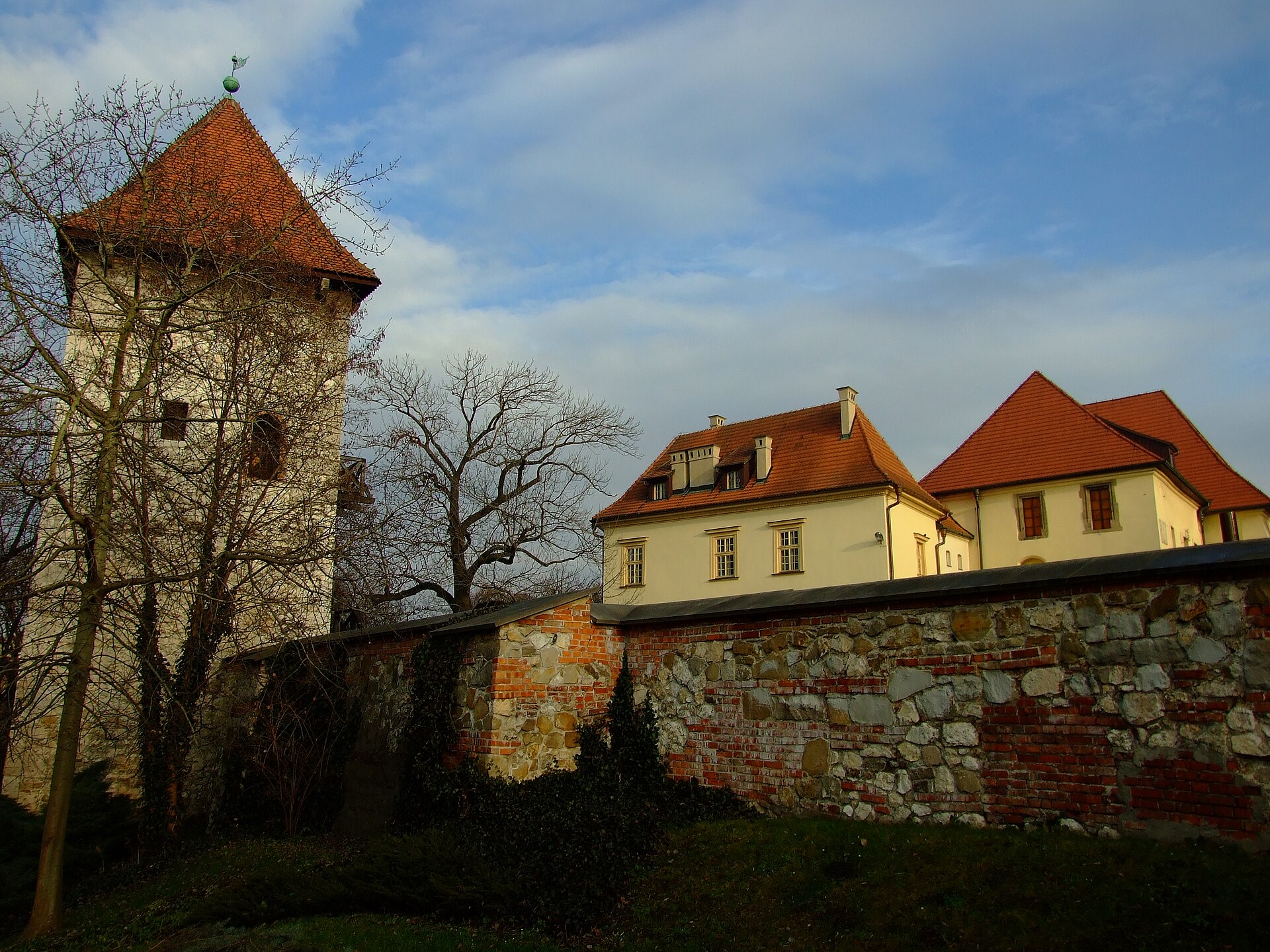
The architecture of the castle tells its own story, one of shifting purposes and changing times. The original Gothic structure, with its thick walls and defensive towers, was designed to protect what was essentially Poland’s treasury. Later, as the threat of invasion waned, the castle took on a more ceremonial role. Renaissance additions softened its military edges, introducing arched courtyards and intricate stonework that hint at the wealth flowing through its halls. The contrast between the fortress’s stern exterior and its elegant inner spaces reflects the dual nature of the salt trade itself—brutal in its labor, refined in its influence.
Inside, the castle feels like a cross between a medieval counting house and a royal court. The exhibits trace the journey of salt from the depths of the earth to the tables of Europe, with tools, ledgers, and maps illustrating how a single mineral connected Poland to Hungary, Bohemia, and beyond. One of the most striking displays is a set of enormous scales and weights, used to measure salt with the precision of gold. These weren’t just instruments; they were symbols of trust, ensuring that every grain was accounted for in a trade where fraud could mean ruin. The castle’s archives, though no longer housed here, once held contracts, tax records, and diplomatic correspondence—paper trails of an empire built on salt.
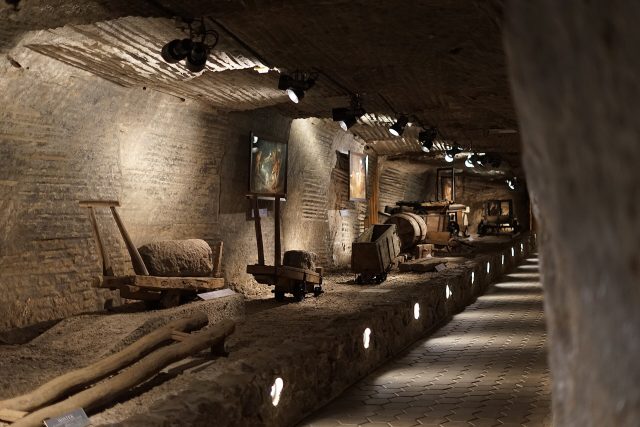
The castle has survived fires, invasions, and neglect, each era leaving its mark. The Swedish Deluge in the 17th century nearly destroyed it, but like the salt mines below, it was rebuilt, each restoration layering new history onto the old. Today, the museum inside doesn’t just document the technical side of salt mining; it humanizes it. There are reconstructions of miners’ workshops, complete with the simple tools they used to carve out tunnels by hand. There are also personal stories—like the legend of the White Lady, a ghost said to wander the castle’s halls, searching for a lover lost in the mines. Whether the tale is true or not, it adds to the sense that this place is alive with more than just artifacts.
The view from the castle’s hilltop is worth the visit alone. On clear days, Kraków’s spires rise in the distance, a reminder of how closely the two cities were linked. Wieliczka’s salt mines made Kraków rich, and the castle was the administrative heart of that wealth. From here, you can see the modern town sprawling below, its streets lined with the same salt that once paid for armies and cathedrals. The contrast is striking—the quiet, timeworn castle overlooking a town that has moved on, yet still depends on the industry that built it.
Beyond its historical role, the castle has become a cultural hub. The courtyard hosts medieval festivals, where knights in armor reenact battles and artisans demonstrate old-world crafts. In winter, Christmas markets fill the space with the scent of gingerbread and mulled wine, while summer brings open-air concerts. For locals, the castle is more than a tourist attraction; it’s a gathering place, a classroom, and a source of pride. Schoolchildren come here to learn about their town’s past, and artists display their work in its galleries, keeping the connection between history and contemporary life alive.
What makes Żupny Castle special isn’t just its age or its architecture—it’s the way it makes history feel tangible. Walking through its halls, you can almost hear the clink of coins being counted, the murmur of merchants haggling, the distant echo of pickaxes in the mines below. The castle doesn’t just tell you about the past; it lets you step into it, if only for a moment. There’s a quiet dignity to the place, a sense that every stone has a story to tell, if you’re willing to listen.
Wieliczka without Żupny Castle would be like a book with missing pages. The castle ties the town’s past to its present, reminding visitors that the salt mines weren’t just holes in the ground—they were the foundation of a way of life. To visit is to understand why this small town mattered so much, and why it still does. The best way to experience it isn’t to rush through, but to linger, to let the weight of centuries settle in. The castle won’t give you all the answers, but it will leave you with questions worth asking.