Wieliczka’s Stanisław Wyspiański Park is one of those places where time seems to slow down, where the quiet rustle of leaves and the soft crunch of gravel underfoot replace the usual city noise. Tucked in the heart of this small Polish town, the park isn’t just a patch of green—it’s a living piece of local history, a space where nature and culture intertwine without fanfare. There are no flashy attractions or crowds here, just wide, winding paths lined with old trees, benches worn smooth by decades of use, and an atmosphere that feels like stepping into the early 1900s.
The park takes its name from Stanisław Wyspiański, one of Poland’s most influential artists and playwrights of the late 19th and early 20th centuries. Though he never set foot in Wieliczka, his legacy looms large in Polish culture, and the park serves as a quiet tribute to his work. Wyspiański was more than just a painter—he was a visionary who reshaped Polish theater, a poet, and a thinker whose ideas still resonate today. You won’t find grand monuments to him here, but his spirit lingers in the park’s design: the gentle curves of its pathways, the careful arrangement of its flowerbeds, the way art and nature seem to exist side by side without competing for attention.
The park didn’t take shape all at once. It grew organically, much like the town itself, which flourished thanks to the nearby salt mines. In the early 20th century, as Wieliczka prospered, the idea of a public green space took root. The first trees were planted, paths were laid, and soon after, benches and lampposts in the Art Nouveau style—popular at the time—appeared. Over the years, the park accumulated small sculptures and architectural details, each with its own story. Some honor local cultural figures, while others are abstract pieces that nod to Wyspiański’s artistic vision. There’s no grand plan behind it all, just a slow, thoughtful evolution that mirrors the town’s own history.
What gives the park its character are its trees—some of them true elders, their gnarled trunks and sprawling branches bearing witness to over a century of change. In summer, their dense canopies offer shade from the sun, while autumn turns the park into a blaze of gold and red. Spring brings magnolias and cherry blossoms, their delicate scent drifting through the air, and in winter, snow transforms the paths into a quiet, almost magical maze. Locals come here year-round, whether for a quick stroll or a longer escape from daily routines. The park doesn’t demand attention; it simply offers a place to pause.
Life in Wieliczka has always revolved around this space. It’s where the town gathers for festivals, open-air concerts, and art exhibitions. In summer, you might stumble upon an impromptu theater performance on one of the grassy clearings, while winter brings Christmas markets and twinkling lights. There are playgrounds for children, bike paths for cyclists, and jogging trails for runners, but the park never feels crowded. Its size allows for solitude, whether you’re sitting by the pond or wandering down a secluded path beneath the trees.
One of the park’s most peaceful spots is the small pond, home to ducks and swans. The water is always still, reflecting the trees and sky like a mirror. Nearby stands a modest sculpture of Wyspiański, not as a grand monument but as if he’s simply resting by the water’s edge. It’s a favorite spot for photographers, capturing the way the light plays on the surface or how the branches frame the scene. The pond, like the rest of the park, feels timeless, as if it’s always been here, waiting for someone to notice.
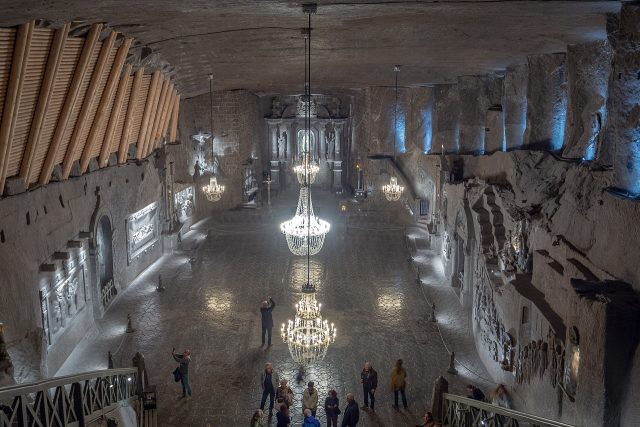
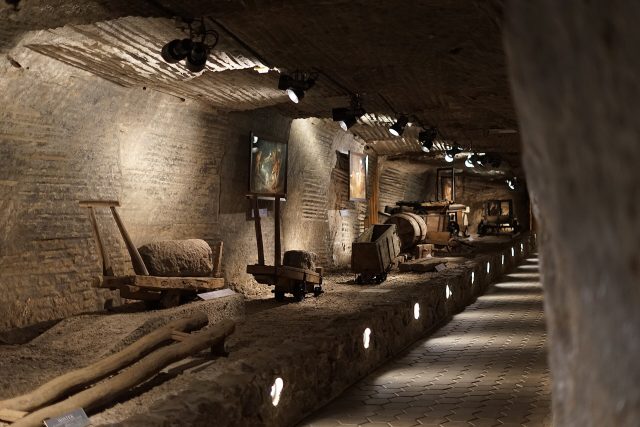
Wieliczka is best known for its salt mine, a UNESCO-listed marvel that draws visitors from around the world. But the Wyspiański Park offers a different kind of experience—one that’s quieter, more intimate. There are no underground chambers or guided tours here, just the chance to wander and soak in the atmosphere. The park isn’t trying to impress; it’s simply a part of the town’s fabric, a place where generations have come to walk, think, and breathe. The trees have seen empires rise and fall, the paths have been trodden by countless feet, and the air carries the weight of all that history.
If you visit, take a moment to notice the details. The old-fashioned lampposts that flicker to life as dusk falls, the benches with their intricate carvings, some dating back to before the war. You might see an artist sketching the landscape or a musician playing guitar by the pond. The park has its own rhythm, and the more you pay attention, the more it reveals. It’s not a place for grand gestures, but for small, quiet discoveries.
In a town famous for its salt mine, the Wyspiański Park is Wieliczka’s other side—its softer, more poetic face. It doesn’t compete with the mine’s grandeur, nor does it try to. Instead, it offers something just as valuable: a sense of place, a glimpse into the everyday life of this small Polish town. For locals, it’s a second home; for visitors, it’s a reminder that sometimes the most meaningful experiences aren’t the ones you plan for, but the ones you stumble upon. And perhaps that’s why, once you’ve been here, you’ll want to come back.