Wieliczka is a quiet town just outside Kraków, best known for its salt mines, which for centuries supplied not just the local population but much of Poland. Yet beyond the underground chambers and tunnels lies another piece of history—the Museum of the Kraków Saltworks, a place that once served as the nerve center of an industry that shaped the region’s economy and identity.
The museum occupies a building constructed in the late 18th century, when Wieliczka fell under Austrian rule following the partitions of Poland. Its architecture reflects the administrative style of the time, blending the restraint of neoclassicism with the decorative flourishes of late Baroque. The façade is marked by pilasters and evenly spaced windows, while inside, high ceilings and spacious halls once accommodated officials, merchants, and clerks who managed one of Europe’s largest salt enterprises. Today, these rooms house documents, maps, and tools that trace the evolution of salt production—from medieval trade routes to the bureaucratic machinery of the Habsburg era.
The term *Żupa Krakowska* refers to the royal monopoly on salt extraction and distribution, a system that made salt nearly as valuable as gold in medieval Europe. Polish kings tightly controlled its production, with revenues funding armies, royal courts, and infrastructure. Wieliczka’s mines had been active since the 13th century, but by the 18th century, the operation had grown into a complex network of shafts, warehouses, and transport routes. The museum preserves artifacts from this era, including wooden barrels used for shipping salt, ledgers recording transactions across Europe, and even salt tokens—an early form of currency issued to workers in lieu of coin.
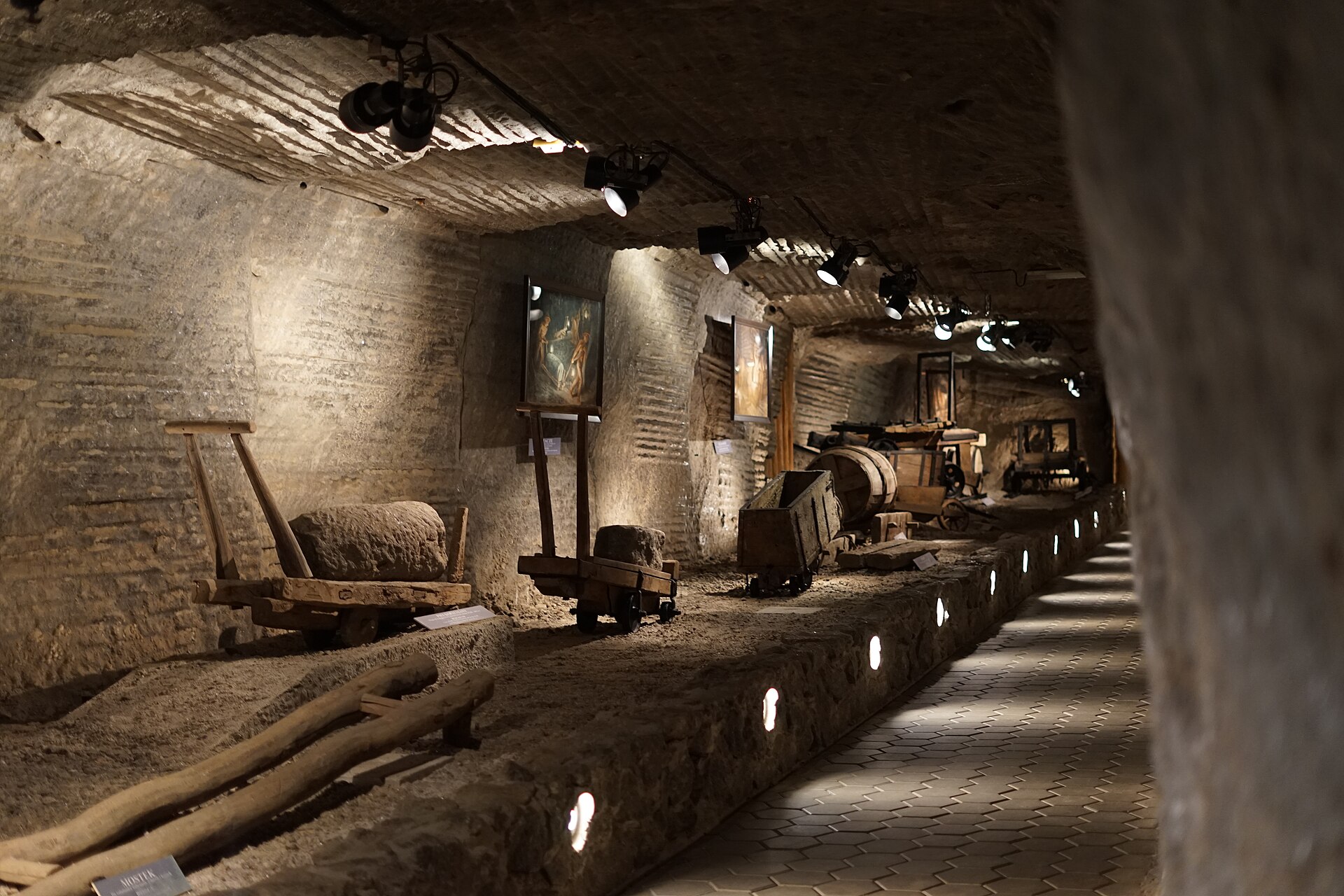
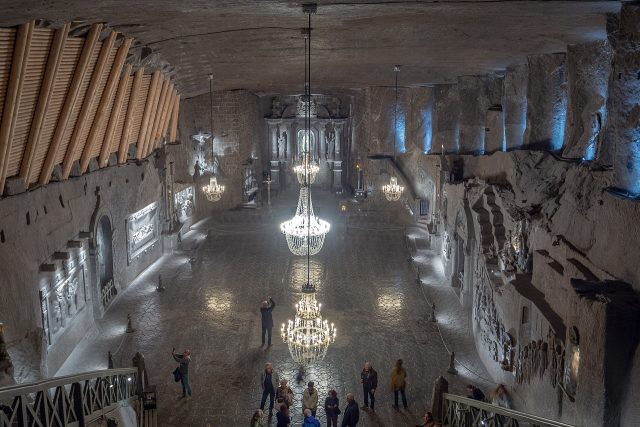
Beyond paperwork and tools, the exhibits bring the human side of the industry to life. Visitors can see scale models of historic mines, reconstructed from old blueprints, alongside the personal belongings of miners: coarse linen shirts, leather aprons, and grease lamps that flickered in the dark tunnels. A standout feature is the collection of salt sculptures carved underground by skilled artisans. These include replicas of famous artworks, religious scenes, and portraits of Polish kings, demonstrating how salt was more than just a commodity—it was a medium for creativity and devotion.
The museum also tells the stories of the people who worked here. Miners in Wieliczka were a distinct community, passing down their trade through generations and living in designated neighborhoods. Their labor was grueling, with constant risks of cave-ins and flooding, and the museum doesn’t shy away from these realities. It also highlights the often-overlooked contributions of women, who sorted, packed, and processed salt on the surface, their work essential yet rarely acknowledged.
Walking through the museum feels like stepping into the past. Some rooms retain their original details—oak paneling, ornate plasterwork, and antique chandeliers—while the former director’s office remains almost untouched, with its 18th-century desk, inkwell, and documents still in place. Nearby, a display of coins and medals commemorates milestones in salt production, alongside rare books on geology and mining. These artifacts offer a tangible connection to the decisions and daily routines that once governed the industry.
Wieliczka’s salt mines are more than a tourist attraction; they’re a living record of how an industry shaped a region. The Museum of the Kraków Saltworks doesn’t romanticize the past but presents it as it was—through ledgers, tools, and personal stories. It’s a reminder of how salt, once a cornerstone of wealth and power, influenced everything from trade to culture. Today, when salt is commonplace, the museum preserves the legacy of those who made it central to Poland’s history. A visit here isn’t just about seeing relics; it’s about understanding the people whose labor sustained a nation.