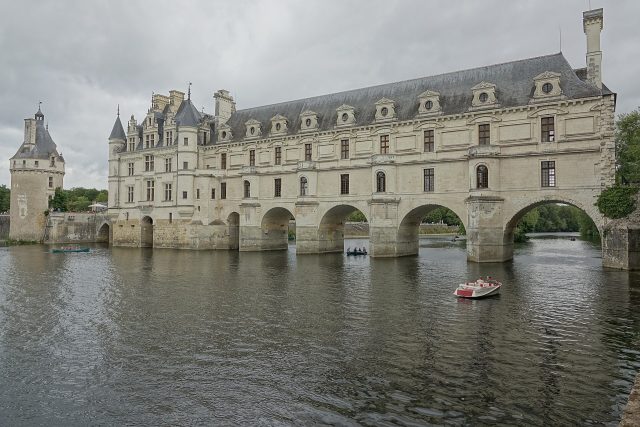
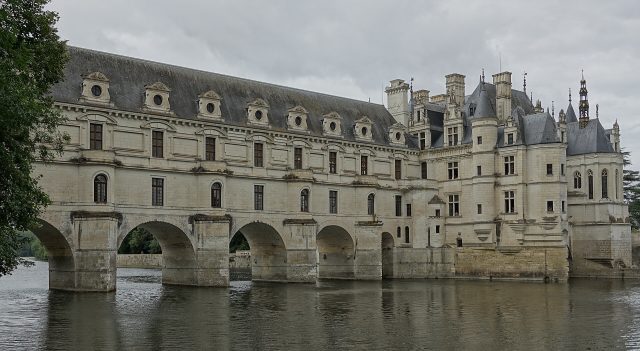
Chenonceau spans the River Cher like a bridge between past and present. The water below mirrors its arches, and on still days, the reflection looks solid enough to walk across. This is where French history isn’t just remembered—it’s felt in the creak of floorboards, the scent of roses drifting from the gardens, and the way sunlight slants through the galleries at dusk.
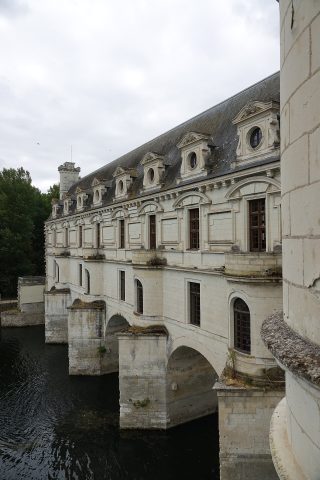
The first fortress here rose in the 11th century, little more than a watchtower with a moat. By the 13th century, it had grown into a stone stronghold, but its real transformation began in the 1500s. Catherine Briçonnet, then the owner, hired Italian architects to soften its edges, replacing battlements with columns and loggias. But it was Diane de Poitiers who left the deepest mark. Henry II gave her the château in 1547, and she built the arched gallery that stretches over the river, turning a fortress into a palace. Her gardens, with their precise geometry, still frame the approach today.
After Henry’s death, his widow, Catherine de’ Medici, claimed Chenonceau. She expanded the estate, adding a second gallery and filling the rooms with tapestries, painted ceilings, and furniture that had witnessed royal intrigue. Here, she hosted banquets where poets recited verses between courses and diplomats negotiated in the shadows. The château became a stage for power—decrees were signed in its halls, and alliances were forged over wine from its cellars. Some of those rooms survive: the library with its leather-bound manuscripts, Diane’s bedchamber where her portrait still hangs, and the Guard Room, its oak panels darkened by centuries of use.
The architecture tells two stories at once. The medieval Tour des Marques, squat and thick-walled, stands next to the Renaissance façade, where slender columns and balustrades seem to defy gravity. The bridge over the river isn’t just an entrance—it’s an invitation. Cross it, and you’re stepping into a painting, the château’s reflection rippling in the water below.
The gardens are where the château breathes. Diane’s garden, on the left bank, is all symmetry: straight paths, clipped hedges, and statues placed like chess pieces. Catherine’s garden, on the right, feels looser, with flowerbeds spilling onto walkways and arbors tucked behind trellises. In May, peonies bloom in drifts of pink and white, and the scent of lavender mixes with the river’s damp air. Walk here at dawn, and you might hear the echo of footsteps from centuries ago.
Chenonceau has seen darker days. During World War I, its galleries became a hospital, the floors lined with cots for wounded soldiers. In World War II, the château sat on the demarcation line between occupied and free France. Locals remember the bridge as a secret crossing—refugees slipped across at night, guided by moonlight. The château kept their secrets, its stones silent witnesses to fear and courage.
Today, visitors wander the halls without crowds. The river murmurs beneath the galleries, and sunlight warms the stone. There’s no rush here. You can climb the Tour des Marques for a view of the gardens, or sit by the water and watch the swans glide past. The château doesn’t ask for admiration—it offers a quiet kind of companionship, a place where time slows just enough to let the past settle in.
It’s the kind of place you leave reluctantly, knowing you’ll return. Not because it’s grand, but because it feels like coming home to a story that’s still being told.