Saint-André Church in Chenonceau sits quietly on a gentle rise in the heart of the village, its stone walls holding centuries of stories just as vividly as any written chronicle. Built in the twelfth century as part of a Benedictine monastery, it has outlasted the monastic buildings that once surrounded it, standing now as a solitary witness to the passage of time.
The church’s architecture is rooted in the Romanesque style, though later additions soften its austere lines. Thick walls, narrow slit windows, and sturdy buttresses hint at its dual role as both a place of worship and a refuge. During the Middle Ages, when raids and unrest were common, the church offered shelter to villagers, its solid construction a promise of safety. Inside, the high vaulted ceilings and a handful of Renaissance stained-glass windows allow light to filter through, creating a space that feels both solemn and serene. Above the main entrance, a stone rose window—its intricate carvings still discernible despite the weathering of centuries—serves as a reminder of the craftsmanship that went into its creation.
The interior is unassuming, its simplicity a contrast to the grandeur of nearby châteaux. The wooden sculptures adorning the altar date back to the seventeenth century, their forms worn but still expressive. Faded frescoes cling to the walls, including a depiction of the Last Judgment rendered with an unusual softness, its lines less harsh than those found in many medieval churches. The floor, laid with simple stone slabs, covers the resting places of local families and former lords of Chenonceau, their names inscribed in Latin—a quiet testament to lives long past.
Chenonceau’s history is deeply intertwined with that of the church. In the Middle Ages, the village was a stop on the pilgrimage route to Santiago de Compostela, and Saint-André offered weary travelers a place to rest. Later, as the famous château rose to prominence, the church became a part of aristocratic life. Weddings of the château’s owners were held here, and the crypt was said to house relics brought back from the Crusades. Whether these stories are true or the stuff of legend is impossible to say now, but they add to the church’s sense of timelessness.
Today, the church remains active, though services are infrequent. Locals attend on religious holidays, while visitors come in search of a glimpse of medieval France. The small park surrounding the church invites quiet reflection—one can easily imagine the sound of bells ringing across the village or the murmur of monks reciting psalms. The atmosphere is one of stillness, a rare quality in a region often crowded with tourists.
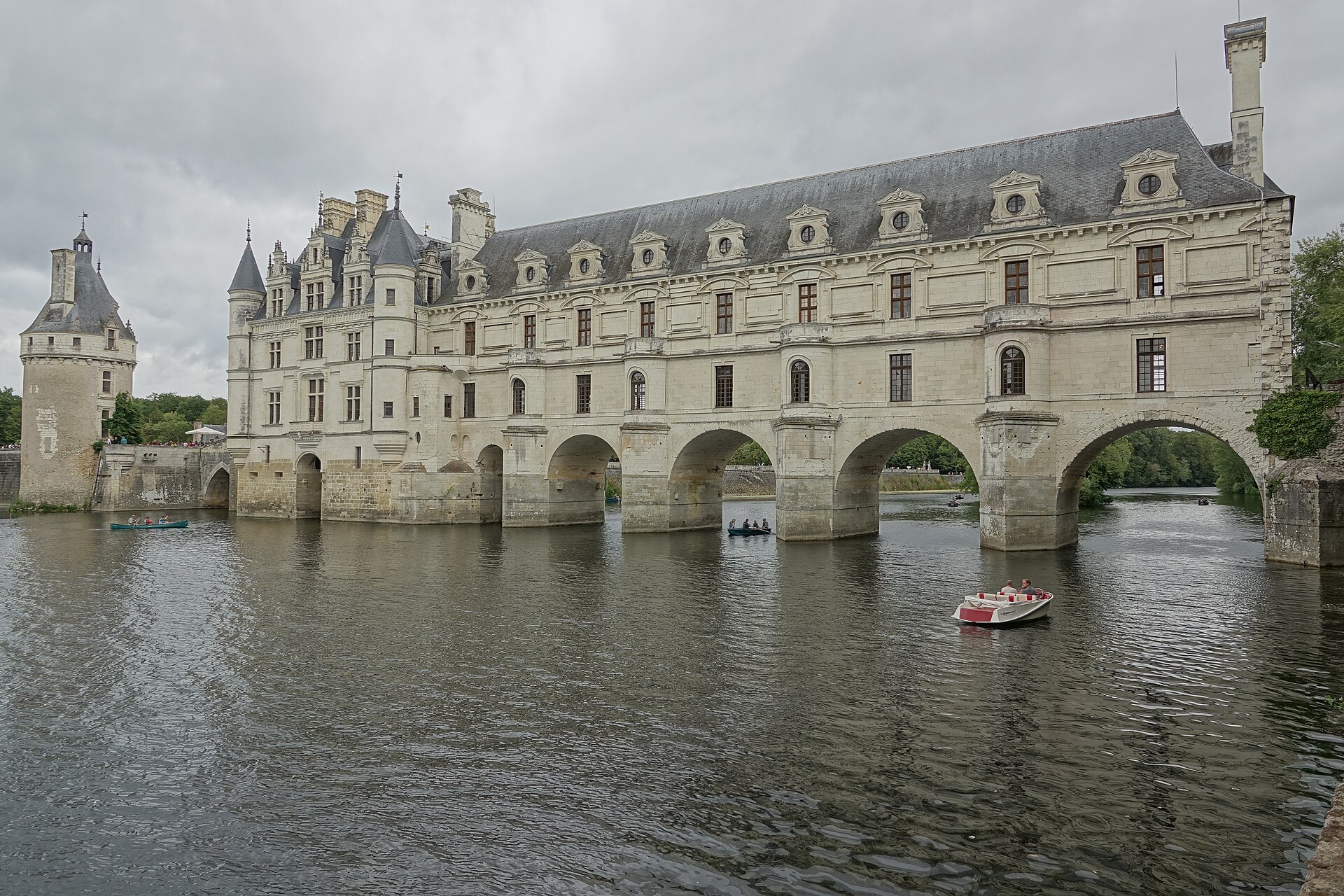
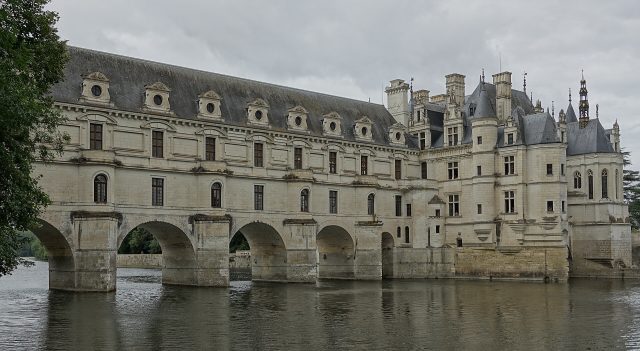
Chenonceau itself is a small village, and while the château draws most of the attention, Saint-André Church holds its own quiet charm. There are no crowds here, no hurried footsteps or raised voices. Instead, the only sounds are the rustling of leaves and the occasional song of a bird. It’s a place where the modern world feels distant, where the weight of history settles gently on your shoulders.
If you find yourself in Chenonceau, resist the urge to rush straight to the château. Take a moment to wander the narrow streets, step inside the church, and listen. The real France isn’t just in its grand palaces or celebrated vineyards—it’s also in these small, unassuming corners where time moves at its own pace. Here, you might just feel the faintest echo of the past, a connection to the lives that have shaped this place over centuries.