Chenonceau is often called the ladies’ castle, and for good reason—its story is woven from the lives of the women who owned it, reshaped it, and preserved it through the centuries. Yet the park that unfolds along the banks of the River Cher is just as much a part of its character. Unlike the formal gardens of Versailles or Villandry, with their rigid symmetry and manicured precision, Chenonceau’s grounds feel expansive and untamed, as if time moves at a gentler pace here than anywhere else in the Loire Valley.
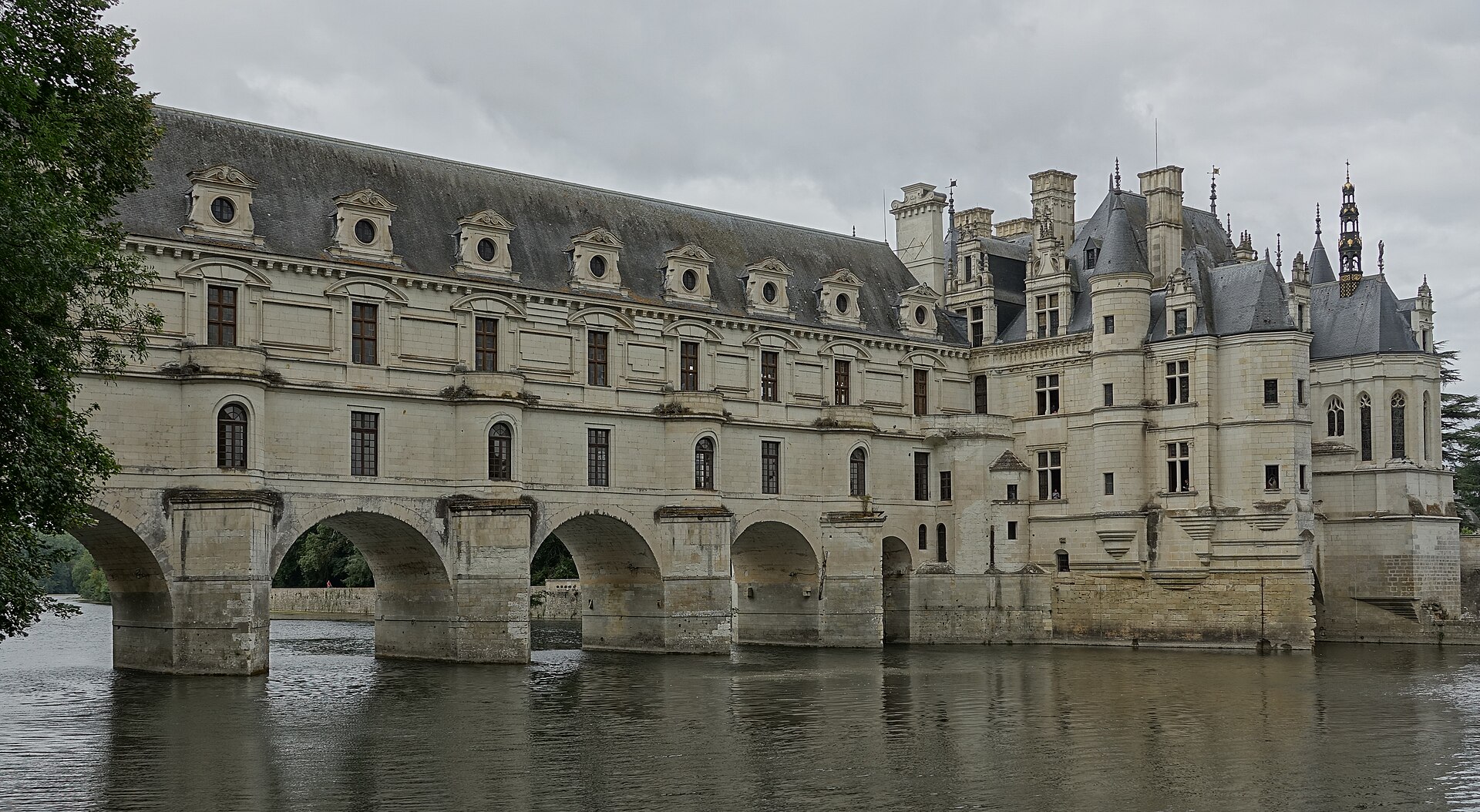
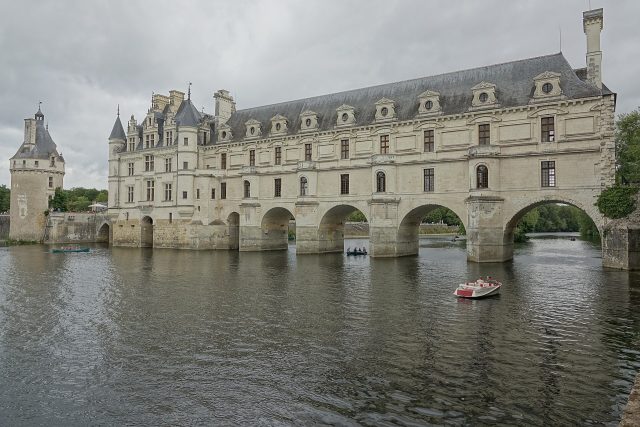
The park took shape in the 16th century under Diane de Poitiers, the influential mistress of King Henry II. She envisioned the riverbanks as a place of quiet reflection, ordering terraced gardens to be laid out along the Cher, lined with trees and shrubs. Her most enduring contribution was the network of canals that still mirror the castle’s arches today. On clear days, the water’s surface turns into a perfect reflection, making the château appear to float above the river. The effect is subtle but mesmerizing, as if the building and its surroundings exist in two worlds at once.
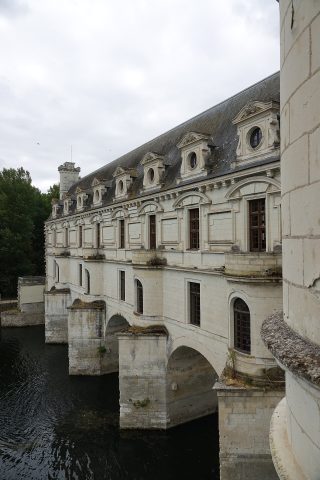
When Catherine de’ Medici took possession of Chenonceau after Henry’s death, she brought her own vision to the park. The Italian-born queen, who served as regent for her young sons, introduced elements of Renaissance garden design—fountains, grottoes, and leafy mazes that softened the landscape. She also commissioned the famous gallery that spans the river, a structure so elegant it seems to grow naturally from the water. Today, walking beneath its arches, the park feels like an extension of the château itself, a seamless blend of architecture and nature.
In its heyday, the park was a stage for royal entertainments. Catherine de’ Medici hosted lavish parties here, complete with fireworks, theatrical performances, and grand balls. Later, Anne of Austria, mother of Louis XIV, preferred the grounds for solitary walks, adding orangeries where exotic plants from France’s colonies were cultivated. The park has always been more than just scenery—it was a living space, shaped by the whims and needs of those who called Chenonceau home.
What makes the park so compelling today is its ever-changing beauty. In spring, magnolias and rhododendrons burst into bloom, while summer brings the scent of roses and lavender drifting through the air. Autumn turns the trees to gold and crimson, and even in winter, when the branches are bare, the park takes on a quiet dignity. The castle, stripped of its summer foliage, stands stark against the gray sky, its reflection rippling in the water below.
One of the park’s most charming features is Diane de Poitiers’ restored kitchen garden. Laid out according to 16th-century plans, it grows the same vegetables and herbs that would have been used in the château’s kitchens centuries ago—artichokes, asparagus, and medicinal plants, all bordered by low hedges. A small pavilion at its center offers a view of the castle, a reminder that Chenonceau was not just a pleasure palace but a working estate. The garden feels intimate, almost secret, a place where history is still alive in the soil.
The River Cher is the park’s defining element. In warmer months, visitors can rent a boat and glide beneath the arches of the gallery, seeing the château from an angle few get to experience. The water is calm, the current gentle, turning the journey into a slow, meditative drift. Even in winter, when the river rarely freezes, its presence is felt—its banks drawing those who seek solitude or a moment of quiet.
Unlike the grand gardens of other Loire châteaux, Chenonceau’s park has an effortless quality. There are no rigid lines or forced symmetries here, just a sense of natural harmony. Trees grow where they please, paths meander without purpose, and flowers bloom where they find space. It’s this lack of artifice that makes the park feel so alive, as if it has grown alongside the castle rather than been imposed upon it.
Today, people come to Chenonceau’s park for more than just its history. It’s a place to escape the crowds, to find a secluded bench by the water or a shady path where the only sound is the rustle of leaves. The past and present coexist here so seamlessly that it’s hard to tell where one ends and the other begins. The park doesn’t just surround the château—it breathes with it, a quiet witness to centuries of life along the Cher.