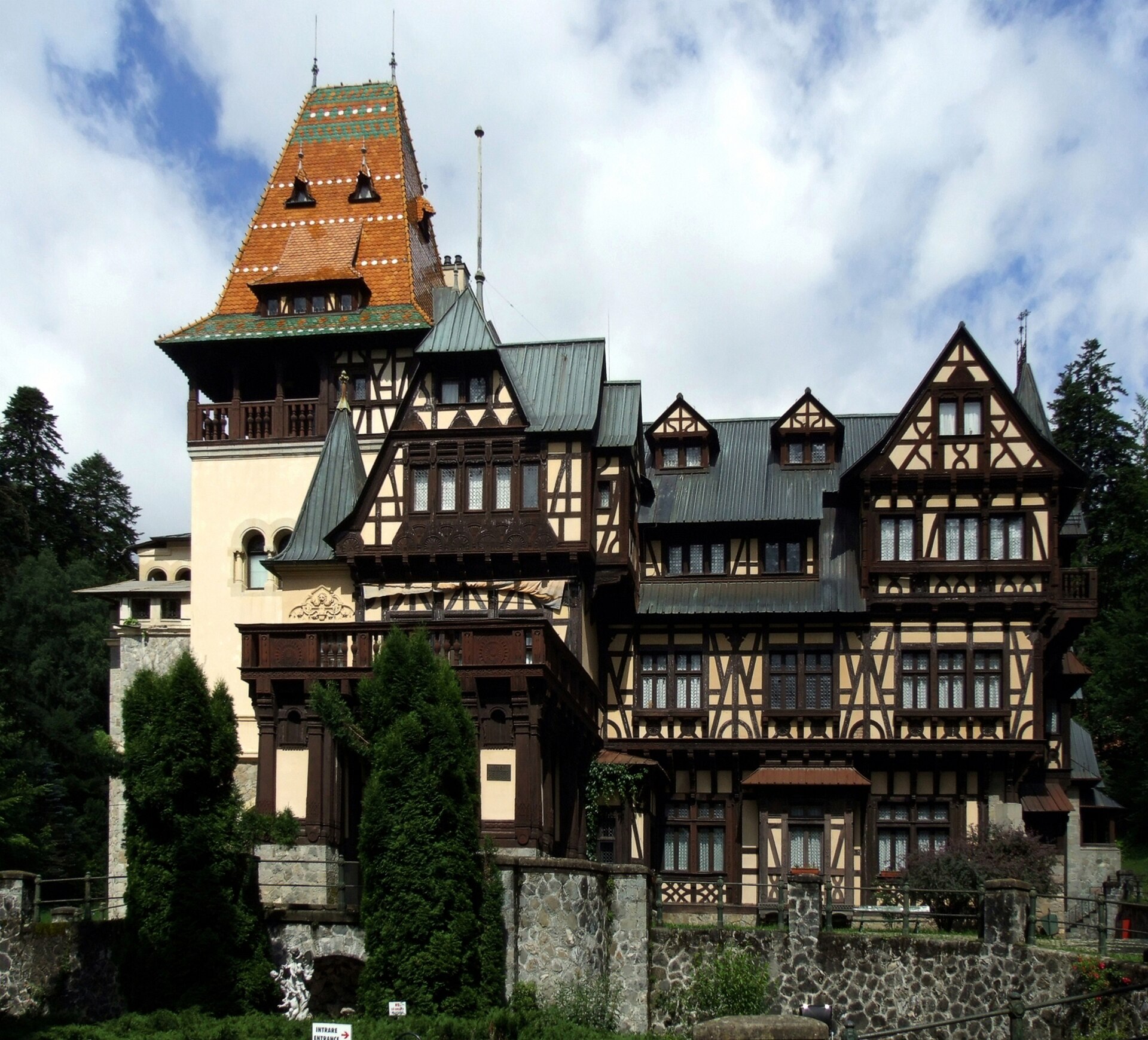
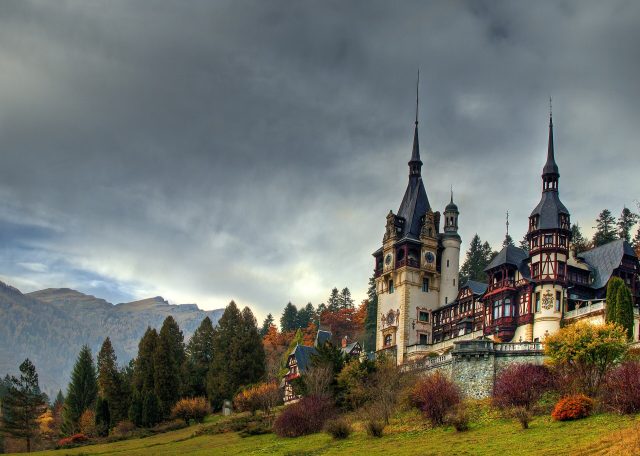
Perched in the foothills of the Carpathians, just a short walk from the grander Peles Castle, Pelisor feels like a well-kept secret. While its famous neighbor draws crowds with its opulent halls and royal splendor, Pelisor offers something quieter—a glimpse into the private world of Romania’s last monarchs, where history isn’t staged for visitors but lingers in the details of everyday life.
Built in the early 1900s as a retreat for Crown Prince Ferdinand and his wife, Marie, Pelisor was never meant to be a palace of state ceremonies or diplomatic receptions. Instead, it was a family home, designed for comfort rather than display. The architect, Carol Liman, blended neo-Renaissance elements with the softer lines of Art Nouveau, but the real charm lies in how the space was lived in. The rooms aren’t vast or overwhelming; they’re intimate, arranged for conversation, reading, or simply enjoying the mountain air that drifts through the open windows.
Marie, an artist with a keen eye for beauty, left her mark everywhere. The interiors are a mix of warm woods, stained glass, and floral patterns, with none of the cold formality you might expect from a royal residence. The Golden Room, with its Byzantine mosaics and gilded accents, is the most striking space, yet even here, the atmosphere feels personal. The mosaics depict scenes from Romanian folklore, chosen not for grandeur but for meaning—stories Marie loved and wanted to surround herself with. Elsewhere, her influence is subtler: a hand-painted screen in the corner of the library, a vase of wildflowers on a side table, the way sunlight filters through the colored glass in the afternoon.
The park surrounding the castle was once part of the royal estate, and today it remains one of the most peaceful spots in Sinaia. In autumn, the trees blaze with color, their leaves crunching underfoot as you follow the winding paths past small ponds and secluded benches. Winter transforms the scene entirely—the castle’s red-tiled roofs dusted with snow, the bare branches of the trees framing the mountains in the distance. Unlike Peles, where tour groups cluster in the courtyards, Pelisor’s grounds are usually quiet, the only sounds the rustle of leaves or the distant call of a bird.
Pelisor’s history is tied to the final decades of Romania’s monarchy. After King Michael’s abdication in 1947, the castle was turned into a museum, though for years it remained overshadowed by its more famous neighbor. That’s changing now, as visitors seek out places that feel authentic rather than curated. There are no grand ballrooms here, no halls lined with portraits of long-dead nobles. Instead, you’ll find the children’s rooms, with their small beds and scattered toys, the kitchen where meals were prepared for the family, and the library, its shelves still holding the books Marie and Ferdinand read. The guides don’t just recite dates and facts; they share stories—how Marie hosted tea parties for her daughters, how Ferdinand would return from hunting trips with tales of the forest, how the family gathered in the evenings to listen to music or play cards.
What makes Pelisor special is how unassuming it is. The furniture isn’t roped off, the rooms aren’t staged for effect, and there’s a sense that the people who lived here have only just stepped out. In the queen’s dressing room, her clothes still hang in the wardrobe, the scent of old fabric lingering in the air. In Ferdinand’s study, maps of the Carpathians are spread across the desk, as if he might return at any moment to plan another expedition. Even the small details—a half-finished embroidery project left on a chair, a child’s drawing tucked into a book—make the past feel tangible.
For those visiting Sinaia, Pelisor offers a different kind of experience. There are no long lines, no jostling for the best photo spot, just the chance to wander at your own pace. The tour takes about an hour, but it’s easy to linger in the park afterward, or stop by the small café nearby for a coffee. On clear days, the terrace offers a view of the mountains that Marie once admired, their peaks rising sharply against the sky. It’s the kind of place that stays with you—not because it’s grand, but because it feels real.
Pelisor doesn’t try to impress. It’s not a monument to power or wealth, but a home that happened to belong to kings. That’s why it resonates. In a world where so much of history is polished for tourists, Pelisor feels refreshingly unvarnished. It’s a place where you can sit in the same chair Marie once did, run your fingers over the same banister Ferdinand touched, and imagine what it was like to live in a castle that was, above all, a home.