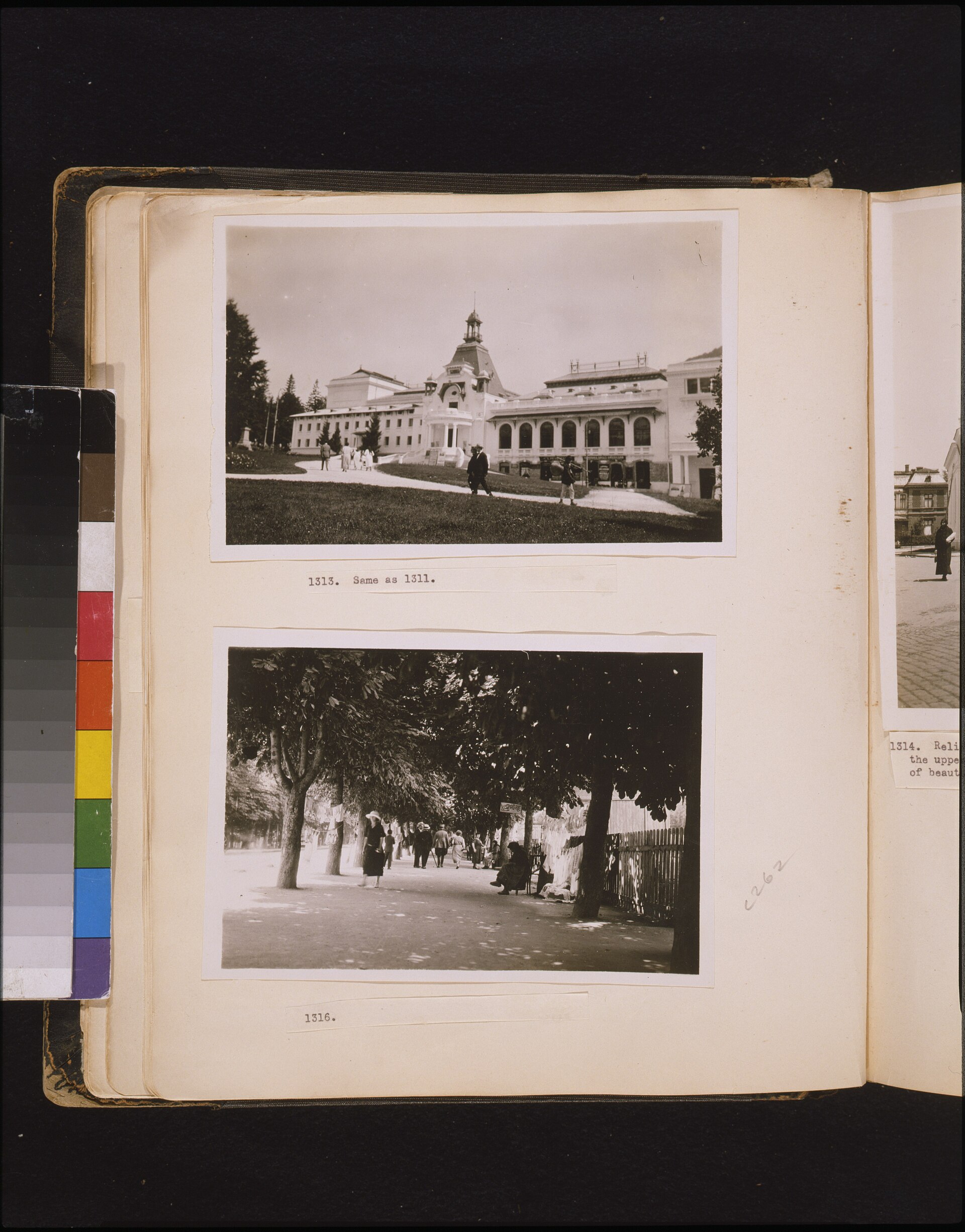
Sinaia Casino stands as a quiet witness to a bygone era, its walls holding stories of elegance and leisure from the early 20th century. Built when Sinaia was transforming into a retreat for Europe’s elite, the casino became a symbol of the town’s golden age—a place where aristocrats, artists, and politicians gathered not just for games of chance, but for the kind of refined social life that defined the era. Today, it remains one of the most striking landmarks in the region, its architecture and atmosphere offering a glimpse into a world that feels both distant and strangely familiar.
The building itself is a masterpiece of design, blending Neo-Renaissance grandeur with Baroque flourishes. Its facade is adorned with columns, intricate stucco work, and sculptures that catch the light at different angles throughout the day. Inside, the grandeur is still palpable, though time has softened its edges. Marble staircases curve gracefully upward, ceilings are adorned with delicate moldings, and the remnants of grand chandeliers hint at the opulence that once filled these halls. Even in its current state, the casino carries an air of sophistication, as if waiting for the next ball or concert to begin.
Sinaia’s rise as a resort town was closely tied to the casino’s history. In the late 19th century, the area became a favored destination for Europe’s upper classes, drawn by the fresh mountain air and the promise of relaxation. King Carol I, who fell in love with the Carpathian landscapes, made Sinaia the summer residence of the Romanian royal family, further cementing its reputation as a place of prestige. When the casino opened in 1913, it wasn’t just a gambling house—it was the heart of the town’s social scene. Here, guests would attend lavish balls, listen to orchestras, and mingle with figures from across the continent, all while enjoying the natural beauty that surrounded them.
The casino’s role evolved over the decades. Between the world wars, it remained a hub of entertainment, but after the Second World War, its fortunes changed. Gambling was banned, and the building was repurposed as a cultural center, hosting exhibitions and performances. Though it no longer serves its original function, it has become a space for community events, its halls occasionally filled with music or art rather than the clink of glasses and the murmur of card games. Yet, its true value lies in what it represents—a tangible connection to a time when Sinaia was one of Europe’s most fashionable destinations.
Visiting the casino today is like stepping into a living postcard. Even when the doors are closed, the building’s presence is enough to spark the imagination. You can almost hear the echoes of laughter and conversation in the grand halls, or picture the flicker of candlelight on the polished floors. The exterior is especially striking at dusk, when the soft glow of lights accentuates the architectural details, casting long shadows that add to the sense of history. It’s a place that doesn’t need to be loud or busy to leave an impression—its very stillness invites reflection.
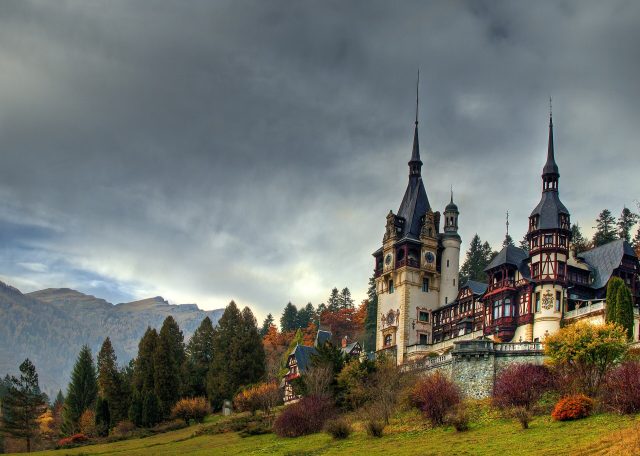
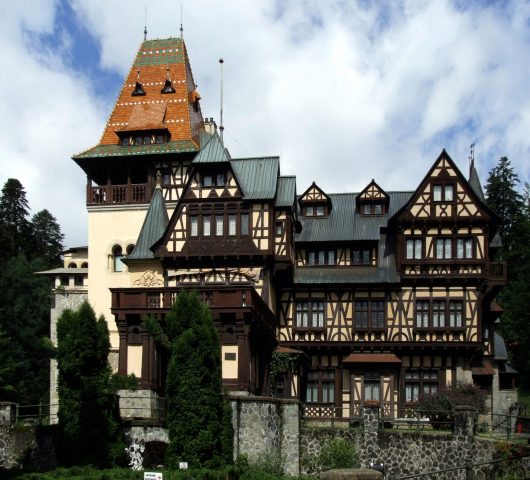
The casino’s location only adds to its charm. Perched on a hill, it overlooks the town and the surrounding Bucegi Mountains, offering a view that has likely captivated visitors for over a century. Nearby, other landmarks like Peleș Castle tell their own stories of Romania’s past, making this part of Sinaia feel like an open-air museum. A walk through the area is a chance to slow down, to take in the blend of nature and architecture that has always defined the town. The crisp mountain air and the quiet rustle of leaves create a backdrop that feels timeless.
For all its grandeur, the casino is more than just a relic. It’s a reminder of how places change, how their purposes shift with the times, and yet how some things endure. Sinaia was once a playground for Europe’s elite, and the casino was at the center of that world. Today, it stands as a testament to the town’s history, a place where the past isn’t just remembered but felt. It doesn’t need to be restored to perfection to hold its magic—its imperfections are part of what makes it real.
If you find yourself in Sinaia, the casino is worth seeking out, even if only to admire it from the outside. There’s something about it that lingers in the mind long after you’ve walked away—a sense of having glimpsed a different era, one where life moved at a slower pace, and beauty was measured in more than just appearances. It’s the kind of place that doesn’t shout for attention but quietly demands it, offering a moment of connection to a world that, for all its differences, still feels strangely close.