The Bucegi Mountains rise like a fortress of stone and forest above the Prahova Valley, their jagged peaks cutting sharp silhouettes against the sky. Part of the Southern Carpathians, they aren’t the tallest range in Romania, but their raw beauty feels almost deliberate—every ridge, every hidden valley seems designed to leave you breathless. The name itself comes from an old Slavic word for goat, a nod to the chamois and wild goats that have roamed these slopes for centuries. Even now, if you’re quiet and patient, you might spot one darting between the rocks, though they’re far more elusive than the legends suggest.
These mountains have always been more than just a landscape. For generations, they marked the boundary between Wallachia and Transylvania, their sheer cliffs witnessing centuries of history—wars, migrations, the slow drift of empires. The locals speak of them with a kind of reverence, as if the land itself holds something sacred. Maybe it’s the way the light slants across the ridges at dawn, or how the wind carries the scent of pine and damp earth up from the valleys. Whatever it is, the Bucegi don’t feel like a place you simply visit; they feel like a place that stays with you.
Hiking here is less about conquering peaks and more about letting the mountains set the pace. Trails range from gentle forest paths to near-vertical scrambles up rock faces, but even the most demanding routes reward you with views that make the effort worthwhile. The most famous ascent leads to Omu Peak, the highest point in the range, where on clear days the horizon stretches so far it feels like you could see the curve of the earth. Those who make the climb at sunrise often say the sight of light spilling over the ridges and valleys below is worth every aching muscle. The plateau near the summit, a vast expanse of wind-swept grass and stone, feels like another world entirely—no trees, just endless sky and the occasional shepherd’s hut, where the air smells of woodsmoke and fresh cheese.
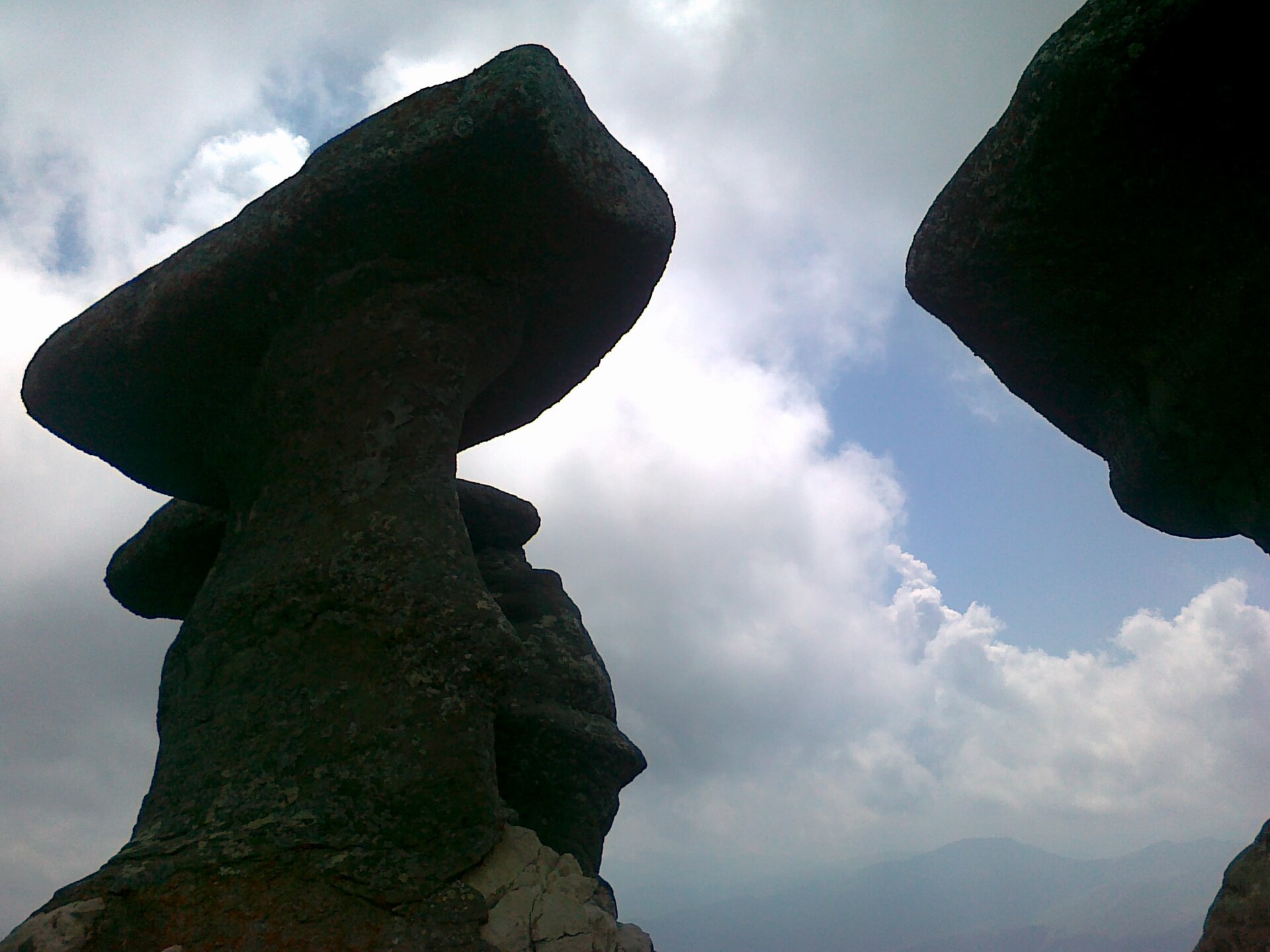
One of the most striking features of the Bucegi is the Babele, a cluster of weathered rock formations that look uncannily like old women hunched in conversation. Geologists will tell you they’re the result of erosion, but the local legend is far more compelling: these were once women who angered the gods and were turned to stone as punishment. Nearby stands the Sphinx, another wind-carved rock that bears a passing resemblance to its Egyptian namesake. Both formations are best seen at sunset, when the light turns the stone golden, as if the mountains themselves are glowing. Photographers flock here, but even without a camera, the sight lingers in your memory long after you’ve left.
For those who prefer not to hike, the cable car from Sinaia offers a shortcut to the heights. It’s one of the longest in Europe, climbing over two thousand meters in just a few minutes. The ride itself is an experience—the forest falls away beneath you, replaced by open sky and the occasional glimpse of a chamois leaping across a distant slope. At the top, the station serves as a gateway to the plateau, where trails branch off in every direction. In winter, the cable car becomes part of a ski resort, with slopes for all levels, though the real magic lies in the quieter corners, where you can strap on snowshoes and wander through silent, snow-laden forests.
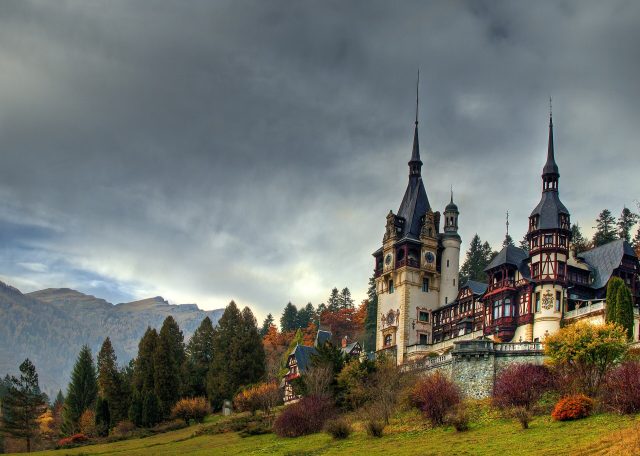
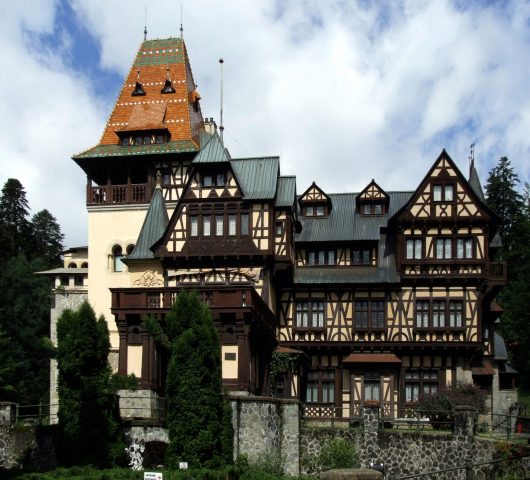
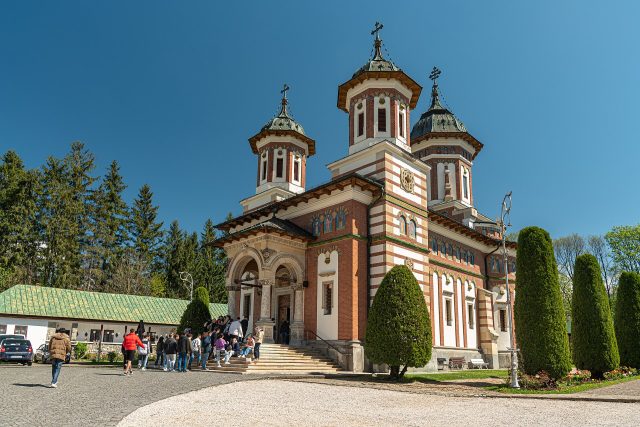
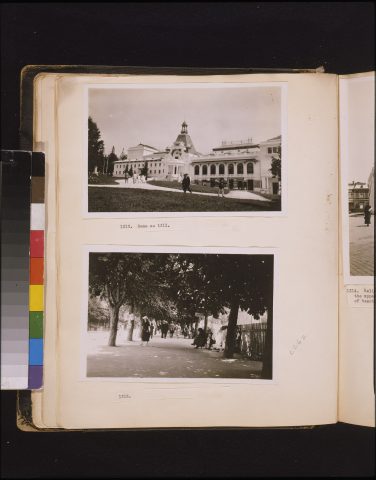
Sinaia, the town at the foot of the Bucegi, feels like a place caught between eras. Founded in the late 19th century as a retreat for Romanian royalty and European aristocrats, it still carries the elegance of its past. The streets are lined with grand villas in Art Nouveau and Neo-Renaissance styles, their facades adorned with intricate carvings and wrought-iron balconies. The crown jewel is Peleș Castle, a summer residence built for the Romanian kings. More fairy tale than fortress, it’s surrounded by manicured gardens and dense woodland, its interiors a mix of opulence and craftsmanship—stained glass, hand-carved wood, and ceilings painted with scenes from mythology. The castle is open to visitors, and wandering its halls feels like stepping into a storybook, one where history is told through the details: a king’s study, a queen’s dressing room, the grand hall where state dinners were once held.
Beyond the castles and cable cars, the Bucegi are a place where old ways still thrive. Shepherds bring their flocks to the high pastures in summer, living in simple wooden huts and making cheese the way their ancestors did. In the villages scattered around the foothills, life moves at a slower pace. Meals are hearty and unhurried—polenta with sheep’s cheese, cabbage rolls stuffed with meat and rice, slow-roasted lamb flavored with mountain herbs. Many of the guesthouses and restaurants are family-run, and the warmth of the welcome often makes visitors feel less like tourists and more like guests. It’s the kind of place where you might arrive planning to stay a night or two and end up lingering for a week, drawn in by the quiet rhythm of the mountains.
The Bucegi change with the seasons, each one revealing a different side of their character. Winter turns them into a snow-dusted wonderland, where the forests are hushed under thick white blankets and the only sounds are the crunch of boots on frozen trails and the distant jingle of sleigh bells. Spring arrives slowly, the snow retreating inch by inch as wildflowers push through the thawing earth. By summer, the valleys are lush and green, the air cool and fragrant with pine, while the high meadows burst into color—poppies, gentians, and edelweiss dotting the grass like scattered jewels. Autumn is perhaps the most dramatic, when the beech and oak forests blaze with red and gold, their leaves carpeting the trails in a rustling mosaic. No matter when you come, the mountains have a way of making time feel irrelevant, as if the only thing that matters is the next view, the next breath of crisp mountain air.
There’s something about the Bucegi that makes you want to keep coming back. Maybe it’s the way the light plays across the ridges at different times of day, or the sense of solitude you can find even in the busiest seasons. Maybe it’s the stories—of shepherds and kings, of legends carved into stone, of a landscape that has watched history unfold without ever losing its wildness. Or maybe it’s simpler than that: the mountains don’t just offer views; they offer a kind of quiet that’s hard to find anywhere else. And once you’ve felt it, it’s hard not to return.