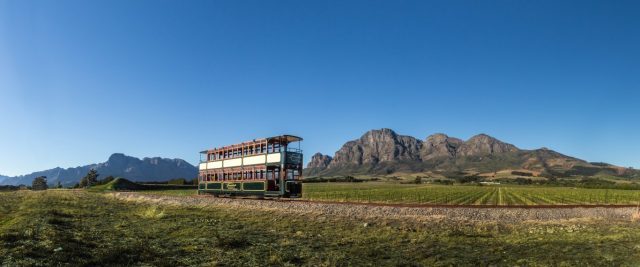
Franschhoek is a quiet town nestled in the heart of South Africa’s wine country, where rolling vineyards stretch across gentle hills and the air carries the scent of earth and ripening grapes. It’s a place that feels suspended in time, where the pace slows and the landscape seems to breathe. But beneath its tranquil surface lies a story that connects this corner of Africa to a distant past in Europe—a story of displacement, resilience, and the quiet transformation of a land.
In the late 17th century, France was torn by religious conflict. The revocation of the Edict of Nantes in 1685 stripped Huguenots—French Protestants—of their rights, forcing thousands to flee their homeland. Many sought refuge in the Netherlands, and from there, a group of around two hundred set sail for the Cape Colony, then under Dutch rule. They arrived in a place that was wild and unfamiliar, but where they would leave an indelible mark. Their arrival wasn’t just a footnote in history; it was the beginning of something new for the region.
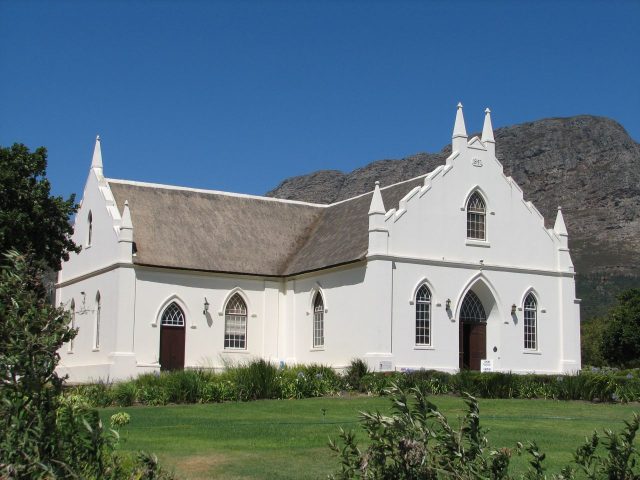
The Huguenots brought with them more than just their faith and traditions. They carried knowledge that would shape the future of the Cape—particularly in winemaking. Skilled viticulturists, they introduced techniques that turned the fertile valleys into some of the finest wine-producing lands in the world. Franschhoek, whose name means "French Corner" in Afrikaans, became their home. Here, they built farms, planted vineyards, and laid the foundations for an industry that still defines the area today. Their influence is woven into the very fabric of the town, from the names of its streets to the methods still used in its cellars.
The Huguenot Memorial stands on a hill overlooking the valley, a quiet sentinel to their legacy. Unveiled in 1948, the monument is simple yet striking—a granite obelisk rising from a base adorned with sculptures of a man, woman, and child. Their faces are turned toward the land they helped tame, their postures speaking of determination and hope. The names of the first Huguenot families are etched into the stone, a reminder of those who crossed an ocean to start anew. Every April, the memorial becomes a gathering place for those who come to honor their memory, a tradition that keeps their story alive.
The architecture of the memorial is understated, but its symbolism runs deep. The obelisk, tall and unyielding, represents the steadfastness of the Huguenots’ faith and resolve. The figures at its base embody the generations that followed—the hands that tilled the soil, the voices that carried on their traditions, the children who grew up in a land that was no longer foreign. Around the monument, a small park offers benches where visitors can sit and take in the view. Below, the vineyards stretch endlessly, their rows neat and orderly, much like the lives the Huguenots built here centuries ago.
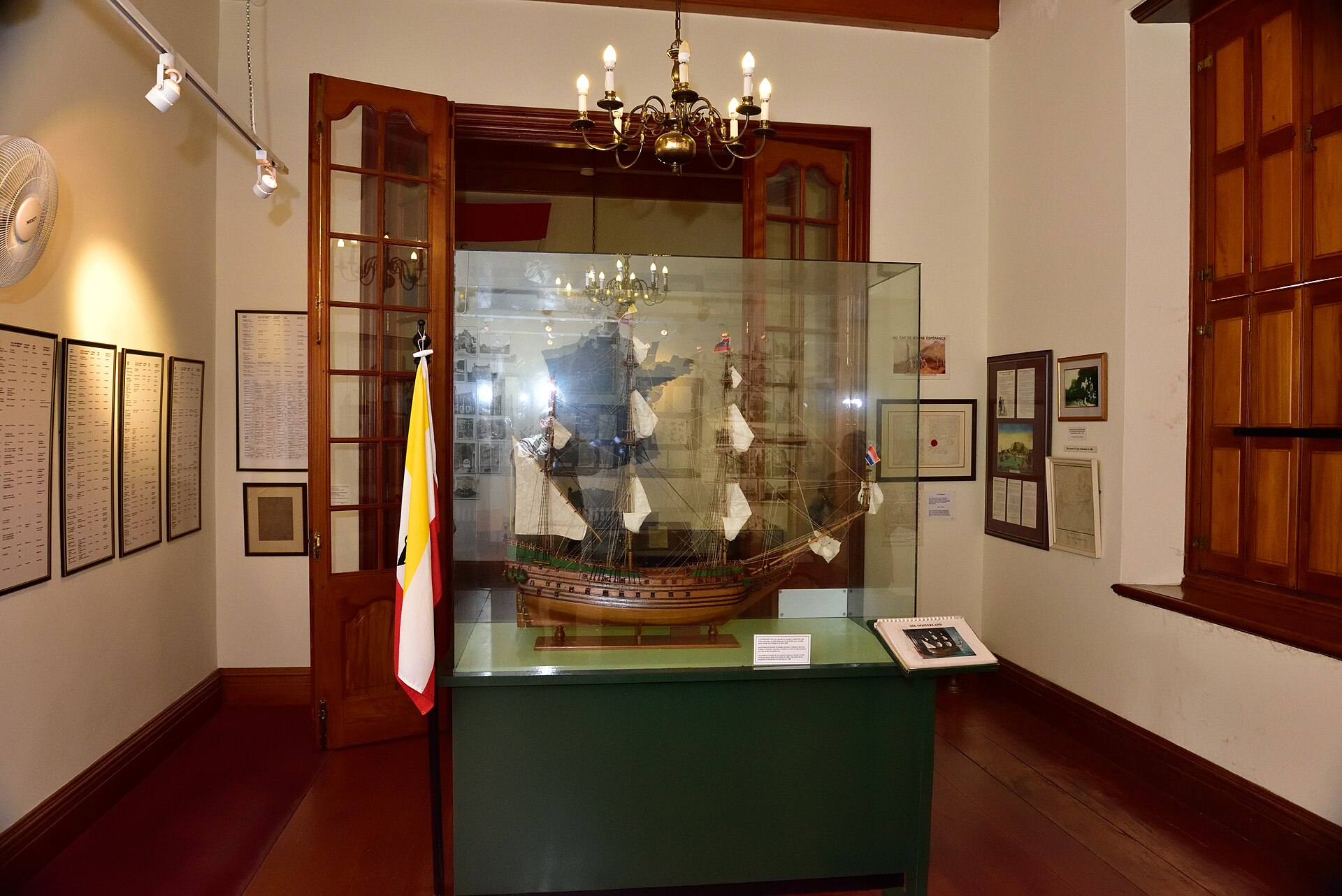
Franschhoek today is a place where history lingers in the details. The town’s streets bear the names of those early settlers, and many of its wineries still uphold the methods they introduced. The local museum houses artifacts from their lives—tools, letters, household items—that paint a picture of their daily existence. But it’s the memorial that brings their story into sharp focus. Standing there, it’s easy to imagine the first Huguenots arriving in this valley, their eyes taking in the same hills, their hands planting the first vines. Their legacy isn’t just in the wine or the architecture; it’s in the very character of the place.
Visiting the memorial is more than a stop on a tour. It’s a moment to reflect on how the lives of a few hundred people could alter the course of a region. The Huguenots didn’t just survive in this unfamiliar land—they thrived, shaping it in ways that endure to this day. Their hard work, their adaptability, and their deep connection to the earth became part of Franschhoek’s identity. The memorial doesn’t just commemorate their past; it invites visitors to consider the quiet strength of those who build new lives far from home.
The best times to visit are when the light is soft—early morning, when mist still clings to the valley, or late afternoon, when the sun turns the vineyards gold. The air is cool, the silence broken only by the rustle of leaves or the distant call of a bird. There’s a sense of timelessness here, as if the land itself remembers. It’s not just the beauty of the scenery that stays with you; it’s the weight of history, the knowledge that this place was shaped by people who refused to be defined by loss. They came with little more than their skills and their dreams, and in doing so, they made Franschhoek what it is today.