Nestled among the rolling vineyards and gentle hills of Franschhoek, St. Peter’s Church stands as a quiet witness to the town’s layered history. This small corner of South Africa, with its French-inflected name and sun-drenched landscapes, feels like a place where time moves at its own unhurried pace. The church, one of the oldest structures in the valley, is more than just a place of worship—it’s a bridge between the past and present, a physical reminder of the people who shaped this land.
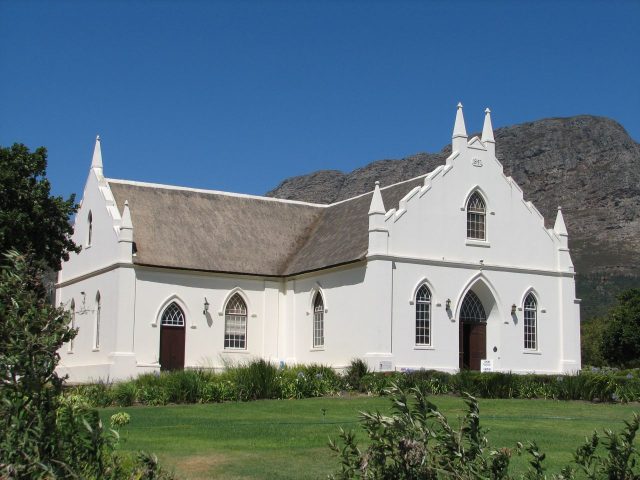
The story of St. Peter’s begins with the Huguenots, French Protestants who fled religious persecution in the late 17th century. When they arrived in the Cape in 1688, they brought with them not only their faith but also their knowledge of winemaking and a distinct architectural sensibility. Franschhoek, meaning "French Corner," became their new home, and over time, they built a community that blended their traditions with the realities of their adopted land. The church, constructed in the early 1800s, was the first stone building in the valley, a testament to their determination to create something lasting. The warm, golden sandstone used in its construction was quarried locally, and even now, the stone seems to glow in the late afternoon light, as if holding onto the sun’s warmth.
The architecture of St. Peter’s reflects a mix of simplicity and elegance, with clear influences from both European and Cape Dutch styles. The tall steeple, pointed windows, and sturdy wooden doors give the building a sense of solidity, while the interior feels intimate and welcoming. The original wooden pews, pulpit, and organ have been preserved, and the organ still fills the space with music during services. Behind the altar, a stained-glass window depicts scenes from the life of Christ, its colors shifting subtly as the light changes throughout the day. The craftsmanship is understated but thoughtful, a reflection of the community’s values and the era in which it was built.
For the people of Franschhoek, St. Peter’s has always been more than just a church. It’s a gathering place, a cultural hub, and a symbol of their shared heritage. Beyond Sunday services, the building hosts concerts, art exhibitions, and community events, its doors open to anyone who wishes to step inside. The small garden surrounding the church offers a peaceful spot to sit, with benches facing the mountains and vineyards that stretch into the distance. It’s easy to imagine the early settlers pausing here, looking out at the same views, finding comfort in the familiarity of the landscape.
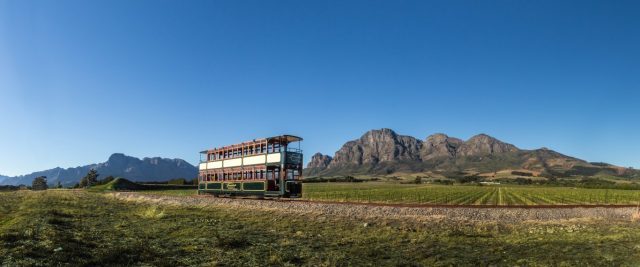
Franschhoek itself has a way of making visitors slow down. The town’s streets are lined with cafés, galleries, and wine estates, each inviting exploration at a leisurely pace. The surrounding mountains frame the valley like a natural amphitheater, their slopes dotted with trails that lead to quiet viewpoints. St. Peter’s fits seamlessly into this setting, its presence a reminder of the people who first made this place their home. For many, the church is a destination not just for prayer but for reflection—a place to consider the resilience of those who came before and the legacy they left behind.
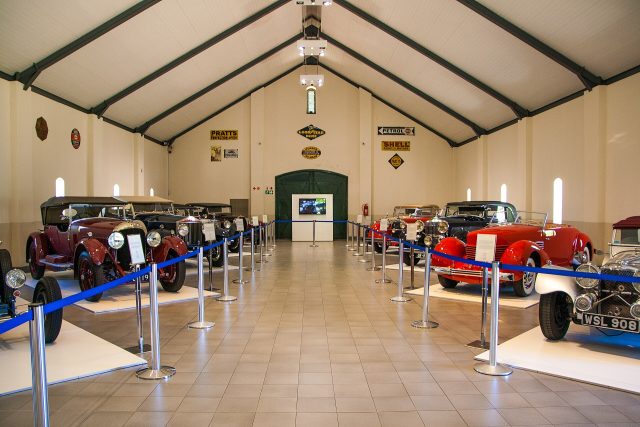
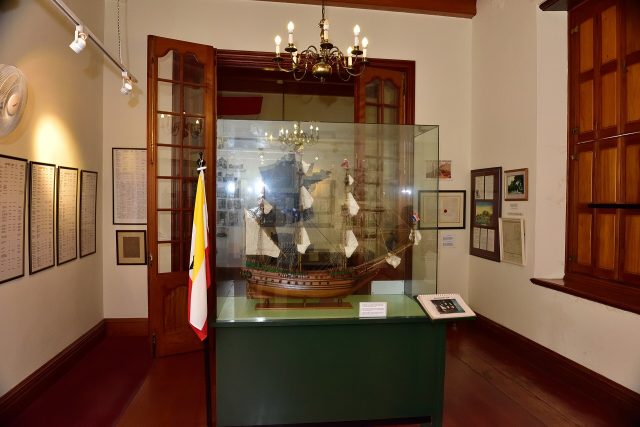
The church remains an active part of Franschhoek’s life, its doors open to visitors year-round. Inside, displays of historical artifacts and photographs offer glimpses into the lives of the Huguenots, their struggles, and their contributions to the region. Occasionally, guided tours provide deeper context, with stories of the first settlers, their hardships, and the ways they adapted to their new environment. There’s no grand spectacle here, just a quiet sense of continuity, a place where the past feels close enough to touch.
What makes St. Peter’s special is its ability to feel both timeless and alive. The building itself is a relic, but it’s also a living space, still used and cherished by the community. The stories it holds—of faith, displacement, and renewal—are universal, resonating with anyone who has ever sought a new beginning. In a world that often feels rushed and disconnected, the church offers something rare: a moment of stillness, a chance to step back and consider the threads that connect us to those who came before.
Standing in the shadow of its steeple, it’s easy to imagine the generations of worshippers who have walked through its doors, the voices that have filled its nave, and the hands that have tended the gardens outside. The church doesn’t demand attention; it simply exists, a quiet anchor in a landscape that has changed in countless ways yet remains fundamentally the same. For those who visit, it’s a reminder that history isn’t just something we read about—it’s something we can feel, if we take the time to listen.