Franschhoek feels like a place plucked from the pages of a French novel, its very name meaning "French corner." This small town in South Africa carries the legacy of the Huguenots who arrived here in the late 17th century, bringing with them grapevines, winemaking traditions, and a way of life that still lingers in its quiet streets and rolling vineyards. The pace here is unhurried, the air scented with earth and wine, and the past feels close enough to touch.
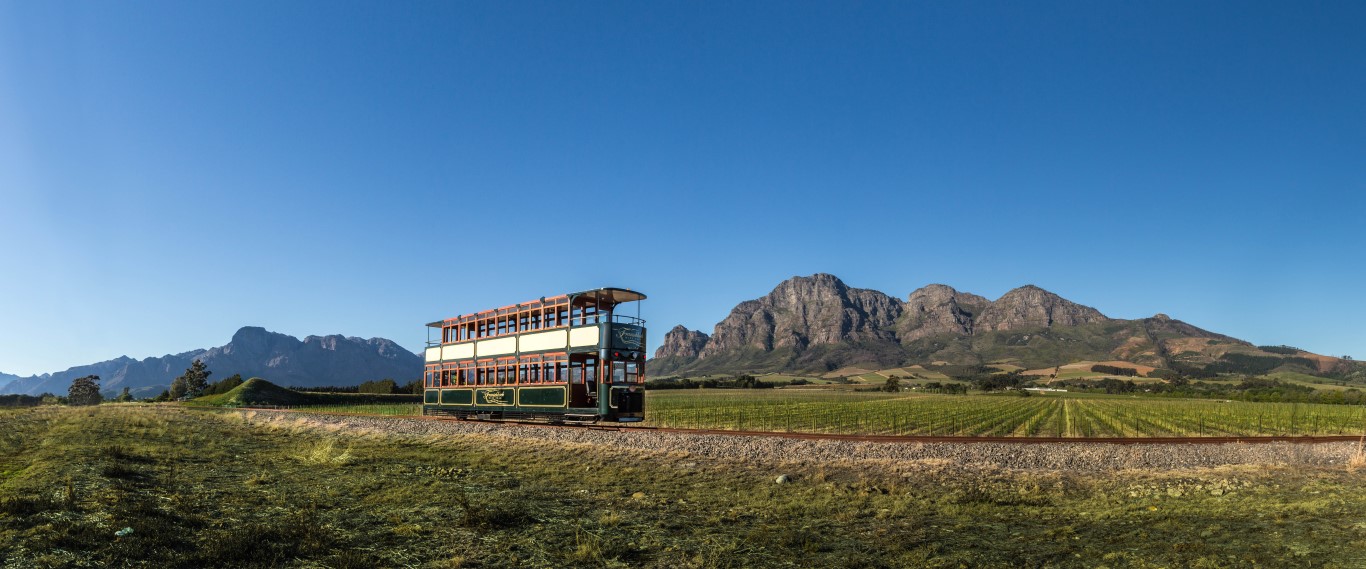
The Franschhoek Wine Tram offers a way to step into this world. It’s a modern creation with a nostalgic heart, winding through the valley and connecting some of the region’s oldest wine estates. The journey begins in the town center, where passengers board vintage-style trams that set off along a route framed by mountains and vineyards. There’s no rush—the ride itself is the experience, a slow unspooling of landscapes and stories.
The first stop often comes as a surprise. These aren’t the polished, commercial wineries found in other regions. Instead, they’re working estates where time moves differently. Some still use old wooden presses and oak barrels that have seen generations of harvests. Tastings take place under ancient trees or in grand rooms with high ceilings and hand-carved furniture. The owners themselves often pour the wine, sharing the kind of knowledge that can only come from years of working the same land.
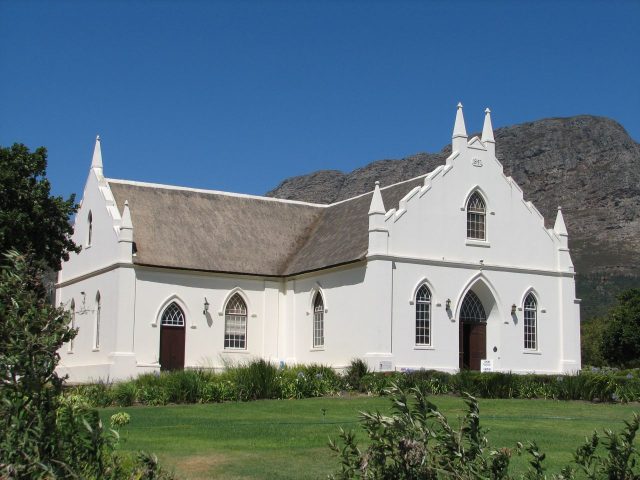
The architecture of the wine estates tells its own story. Many are built in the Cape Dutch style, with whitewashed walls, gabled roofs, and heavy wooden shutters. This was a practical adaptation of European design to the local climate, blending function with elegance. Some estates are surrounded by gardens thick with roses and lavender, while others sit amid vineyards that climb the slopes of the valley. The buildings feel rooted in the landscape, as if they’ve always been there.
Winemaking here is more than an industry—it’s part of the cultural fabric. The Huguenots who settled Franschhoek brought not just vines but the skills to cultivate them, laying the foundation for a tradition that continues today. The wines produced in this valley have gained recognition far beyond South Africa’s borders, with varieties like Chenin Blanc, Cabernet Sauvignon, and Syrah earning international acclaim. Each winemaker brings something unique to the process, whether it’s an experimental aging technique or a bold new blend.
The tram ride reveals how the landscape shifts from one estate to the next. Franschhoek Valley is cradled by mountains, which create a microclimate perfect for growing grapes. Mornings often bring a soft mist over the vineyards, while the afternoon sun warms the slopes where the fruit ripens. In autumn, the air is thick with the scent of harvest, and the vineyards blaze with shades of gold and red. It’s a place where the land and the wine are inseparable.
There’s no pressure to hurry along the route. Passengers can hop off at any stop, linger as long as they like, and catch the next tram when they’re ready. Some choose to explore by bicycle, weaving between estates at their own pace. Others join guided tours that delve deeper into the history and craft of winemaking. The experience is flexible, shaped by curiosity rather than a rigid schedule.
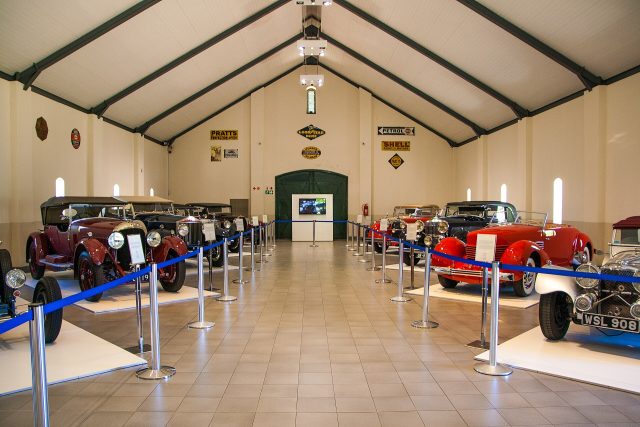
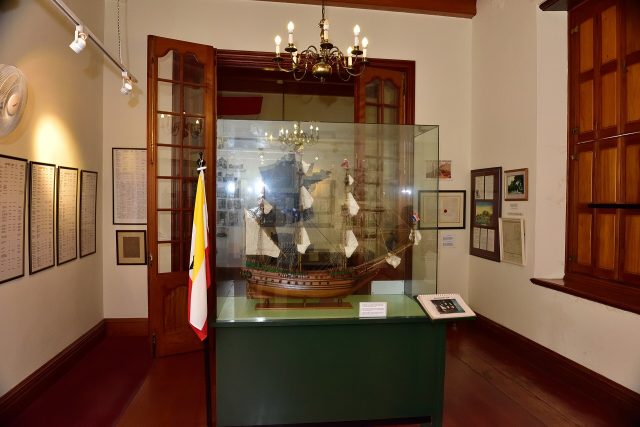
Franschhoek has a way of slowing time. A day here might be spent moving from one estate to another, tasting wines, lingering over lunch at a vineyard restaurant, and watching the light change over the mountains. Some estates house small museums filled with old winemaking tools, faded documents, and photographs of the first settlers. Others feature sleek, modern tasting rooms where wines aged in clay amphorae are poured alongside classic vintages.
The Wine Tram isn’t just a way to see the valley—it’s a way to feel its rhythm. It’s a reminder that winemaking here is a living tradition, passed down through families and shaped by the land. Franschhoek has preserved its sense of hospitality, where every glass of wine carries a story and every tram ride feels like a step back in time. The place doesn’t just invite visitors to taste its wines; it invites them to slow down and savor the moment.