Christ Church is one of those rare places where history doesn’t just linger in the stones—it breathes. Founded in 1525 by Cardinal Thomas Wolsey, it began as an ambitious vision, a college meant to outshine every other in England. Wolsey’s fall from power left the project unfinished, but Henry VIII took it under his wing, completing the buildings and giving the college its name. What emerged wasn’t just another academic institution but a living symbol of the intertwined destinies of church, crown, and scholarship. Over the centuries, it has grown into one of Oxford’s largest and most prestigious colleges, a place where the past isn’t preserved in glass cases but woven into daily life.
The architecture here tells a story of shifting tastes and enduring ambition. The Great Quadrangle, or Tom Quad, is one of the largest enclosed courtyards in the world, a vast expanse of gravel and stone framed by buildings from different eras. The medieval tower at one end gives way to the classical lines of Christopher Wren’s Tom Tower, where the great bell, Great Tom, still tolls 101 times each night—a tradition dating back to the college’s early days, when it had exactly that many students. The tower itself is a masterstroke of harmony, blending seamlessly with the older structures around it. Inside, the cloisters and staircases bear the marks of centuries, their worn steps and creaking floors a quiet testament to the generations who have walked them.
The college chapel, Christ Church Cathedral, is one of the smallest cathedrals in England, yet its significance is immense. Originally the church of St Frideswide’s Priory in the 12th century, it became a cathedral in the 16th when the college was refounded. The building is a patchwork of history: Norman arches stand beside Gothic windows, and the medieval stained glass—some of the oldest in Oxford—casts coloured light onto the stone floors. The shrine of St Frideswide, Oxford’s patron saint, lies in the Latin Chapel, while the choir stalls, carved with intricate designs, have witnessed centuries of worship and music. The cathedral isn’t just a place of prayer; it’s a living part of the college, hosting concerts, lectures, and even degree ceremonies. The philosopher George Berkeley, whose theories on perception still spark debate, is buried here, his tomb a quiet reminder of the intellectual legacy embedded in these walls.
The college library, though less famous than the Bodleian, holds treasures of its own. First editions of Shakespeare’s plays sit alongside letters from Lewis Carroll, who taught here, and illuminated medieval manuscripts that whisper of a time when books were rare and precious. The so-called "Dark Library," a small, dimly lit room with low ceilings, houses the most valuable volumes, their spines cracked with age. Portraits of notable alumni line the walls—thirteen British prime ministers, including William Gladstone and Anthony Eden, as well as writers, scientists, and statesmen who shaped the modern world. The library is primarily for students and researchers, but visitors can glimpse its wonders on guided tours, where the scent of old paper and leather lingers in the air.
The Great Hall is where the college’s daily life unfolds, a space that feels suspended in time. Long wooden tables stretch beneath a high, hammer-beam ceiling, while portraits of former deans and benefactors gaze down from the walls. It’s here that students and fellows gather for meals, their conversations echoing off the stone. The hall’s resemblance to the dining hall of Hogwarts is no coincidence—though the college has never officially confirmed the connection, the similarities are striking. The atmosphere is one of tradition: formal dinners, known as "hall," are still held here, with gowns worn and Latin grace recited. The room hums with the weight of history, from the portrait of Cardinal Wolsey above the high table to the occasional clink of silverware against china.
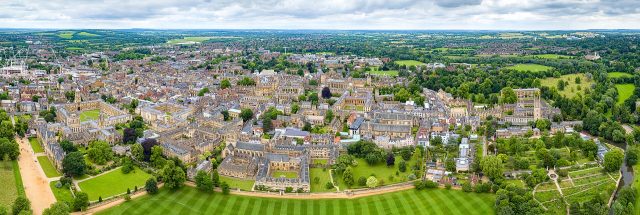
Beyond the grand buildings, the college’s gardens offer a quieter kind of beauty. The Meadow, a vast expanse of grass stretching down to the River Cherwell, is where students lounge on sunny afternoons, books spread before them. In spring, daffodils bloom along the paths, and in summer, the grass is dotted with wildflowers. The college’s resident swans and ducks glide across the pond near the old city wall, a scene that feels plucked from a pastoral painting. In winter, the gardens take on a different mood, the bare trees and frost-covered lawns lending the place a serene, almost timeless quality. It’s easy to see why so many have found inspiration here—whether for study, reflection, or simply watching the light change over the spires.
Christ Church is more than a collection of buildings; it’s a community that has evolved without losing sight of its roots. Students from around the world fill its lecture halls and libraries, while researchers push the boundaries of science and the humanities. Yet the college remains deeply tied to its traditions. The annual Christ Church Regatta, one of the oldest rowing events in the world, sees students racing on the Isis (as the Thames is known here), while the choir, one of the finest in Oxford, performs in the cathedral. Even the college’s quirks—like the tradition of "battels," where students are billed for their meals—hark back to a time when such customs were the norm.
To walk through Christ Church is to step into a story that’s still being written. The courtyards, where scholars once debated theology and philosophy, now echo with the footsteps of tourists and the laughter of students. The cathedral’s bells ring out over the city, just as they have for centuries, while the Great Hall continues to host meals that have changed little since the Tudor era. The college is open to visitors for much of the year, though some areas close during term time. Even a brief visit leaves the sense of having touched something enduring—a place where the past isn’t just remembered but lived. It’s this blend of grandeur and intimacy, of history and modernity, that makes Christ Church more than just a landmark. It’s a piece of Oxford’s soul.