The Guinness Storehouse isn’t just a museum—it’s a place where Dublin’s most famous export tells its own story. Housed in the former fermentation plant of the St. James’s Gate Brewery, the building itself is a piece of industrial history, repurposed in the early 2000s into a space that feels both grand and intimate. The centerpiece is an atrium shaped like a giant pint glass, so vast that if filled to the brim, it could hold fourteen million pints. It’s an oddly humbling sight, a reminder of how deeply Guinness is woven into the city’s identity.
The tour begins at the bottom, where the raw ingredients of stout—water, barley, hops, and yeast—are laid out like the elements of a recipe. Each floor builds on the last, moving through the brewing process, the craft of cooperage (barrel-making, once essential to transporting beer), and the evolution of Guinness’s branding. The advertisements alone are worth lingering over: the toucan, the harp, the playful slogans that turned a dark beer into a cultural symbol. There’s something quietly satisfying in seeing how a product so familiar was shaped by decades of marketing, innovation, and sheer persistence.
One floor is entirely devoted to the art of pouring the perfect pint. It takes 119 seconds to do it right—two pulls, a pause, and a slow top-up to achieve that creamy head. Visitors can try it themselves under guidance, and those who pass the test receive a certificate. It’s a small ritual, but it underscores how much Guinness values tradition, even in a world of mass production. The beer served here isn’t just a drink; it’s the result of a process refined over centuries.
The experience culminates in the Gravity Bar, a circular glass-walled space at the top of the building. From here, Dublin unfolds in all directions—the River Liffey cutting through the city, the spires of old churches, the cranes of modern development. The view is best enjoyed with the included pint in hand, though the bar can get crowded, especially around sunset when everyone competes for a spot by the windows. For those who prefer not to drink, there’s a non-alcoholic alternative, though it’s hard to imagine anyone leaving without at least considering the real thing.
What makes the Storehouse unusual is that it’s still part of an active brewery. The scent of roasted barley drifts through the air long before you reach the entrance, a reminder that this isn’t just a relic but a working piece of the city. The surrounding area, St. James’s Gate, is a mix of old warehouses and industrial charm, though most visitors don’t venture far beyond the museum’s doors. It’s worth taking a moment to walk the perimeter, where the original gates and brick buildings hint at the scale of the operation that once employed thousands.
Practicalities matter here. Tickets are timed, and booking ahead is wise, especially in peak season when slots fill quickly. The museum is open year-round, though hours are shorter in the off-season. The included pint is a one-time offer, so it’s best to savor it rather than rush. There are restaurants and bars throughout the building, including a shop on the ground floor selling everything from Guinness-branded glassware to limited-edition brews. The walk from the city center takes about twenty minutes, or you can take a bus if the weather turns.
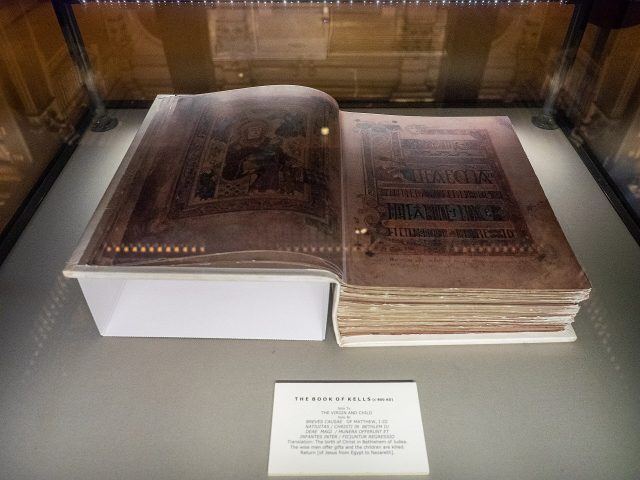
The Guinness Storehouse isn’t a place for those who dislike crowds or commercialism, but that’s part of its appeal. It’s unapologetically itself—a celebration of a beer that’s as much a part of Ireland as the cliffs of Moher or the Book of Kells. What could have been a corporate showcase instead feels like a love letter to brewing, to Dublin, and to the idea that something as simple as a pint can carry centuries of history. Whether you’re a beer enthusiast or just curious, it’s hard not to leave with a deeper appreciation for the craft behind the glass.